
Elon Musk: AI to Boost Global Economy by 20-30%
Elon Musk predicts AI could boost the global economy by 20-30%, adding $20-30 trillion annually. He also forecasts 1 billion humanoid robots within a decade and 'Stockfish-level' AI capabilities by 2027, highlighting significant market shifts and investment opportunities in AI and robotics.
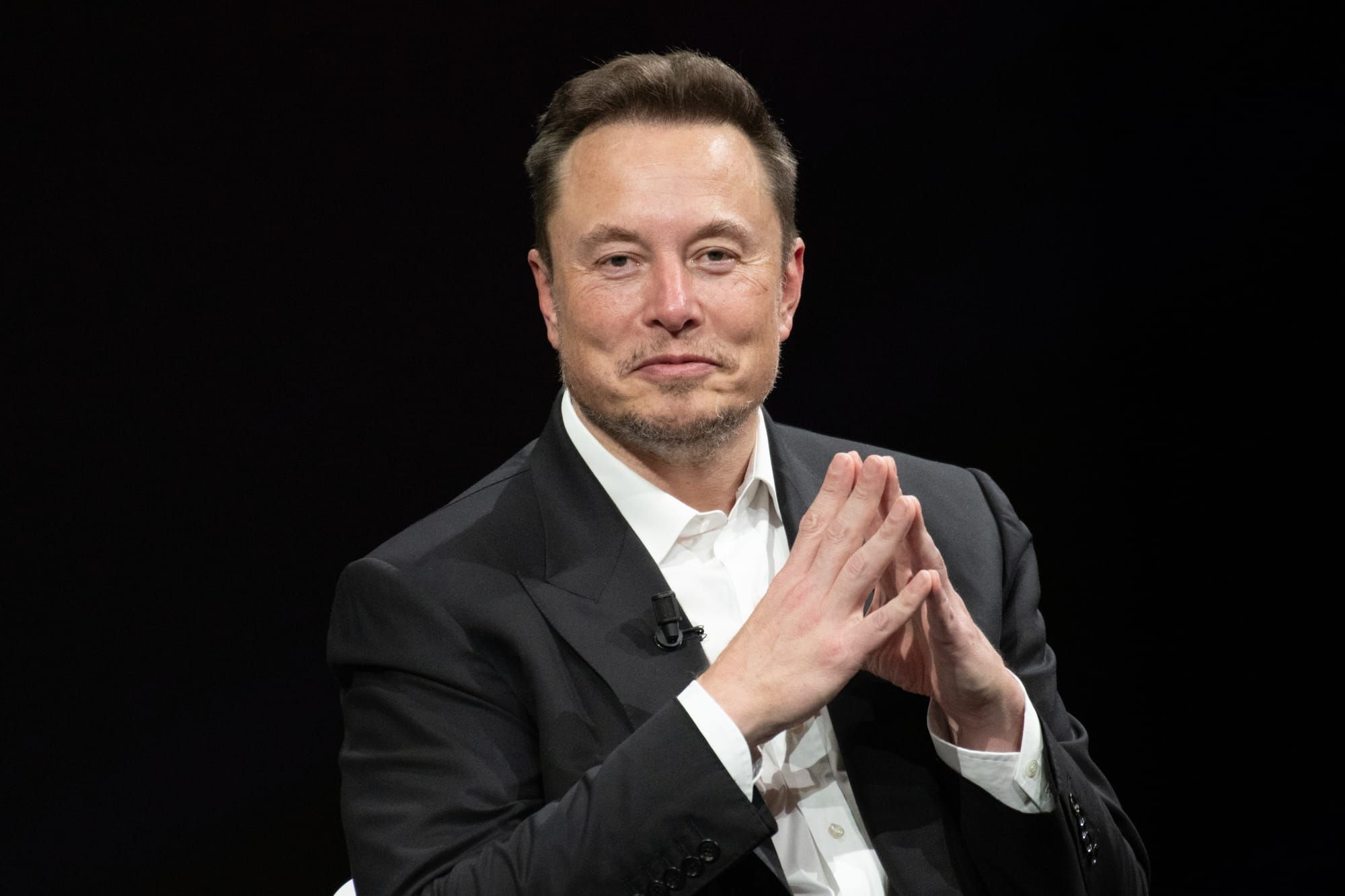
Elon Musk recently stated that artificial intelligence could expand the global economy by 20% to 30%, translating to an additional $20 trillion to $30 trillion in annual economic output. This projection underscores the significant market shifts anticipated from AI and robotics in the coming years.
Musk’s G20 Remarks
Musk delivered these remarks via video link at a G20-related meeting in Asheville, North Carolina, around early September 2026. He emphasized that AI is already showing noticeable productivity gains. As humanoid robots become more widespread, global productivity could see an even greater leap.
He also predicted that the global population of humanoid robots could reach 1 billion within the next decade. Each robot's output capacity might reach five times that of a human, potentially exceeding the total global human workforce's productive capacity.
AI’s Immediate Capabilities
Musk believes AI will become exceptionally proficient in programming, engineering design, and other digital fields within the next 12 to 18 months. By the end of 2027, he expects AI to handle nearly all digital tasks that do not require physical manipulation of atoms.
He further suggested that AI software could reach a “Stockfish-level” of capability, making it difficult for humans to compete in software development. This rapid advancement timeline implies significant disruption and opportunity across various industries.
SpaceX's AI Investments
Musk’s own companies are actively investing in AI infrastructure. SpaceX (SPCX) is expanding its AI infrastructure business, with its second-quarter AI-related revenue reaching approximately $2.6 billion, a 247% year-over-year increase.
The company invested about $15.8 billion to build AI infrastructure during the quarter, primarily for the expansion of its Colossus II data center. This accounts for a significant portion of its total capital expenditures.
Do you want to see how to make more plays? Do you want to find gains yourself?
Unusual Whales helps you find market opportunities through our market tide, historical options flow, GEX, and much, much more.
Create a free account here to start conquering the market with Unusual Whales.
Economic Implications
A 20-30% increase in global economic output would be substantial, adding trillions to the current global GDP, which is roughly $110 trillion. This level of growth could fundamentally alter economic projections and fiscal constraints.
Such a productivity surge would impact everything from labor markets to corporate earnings. Sectors heavily reliant on digital tasks and those poised for automation could see rapid transformation.
Options market and stocks to watch
Traders should watch companies positioned to benefit from increased AI adoption and infrastructure buildout. This includes chipmakers, cloud providers, and robotics firms.
- NVDA: Continues to be a bellwether for AI hardware demand.
- MSFT: A major player in cloud AI services and software integration.
- GOOGL: Investing heavily in AI research and applications across its ecosystem.
- SMCI: Benefits from demand for AI server infrastructure.
- IRBT: A pure-play in robotics, though with consumer focus, could see broader interest if humanoid robot predictions gain traction.
Want more market intelligence? Create your free Unusual Whales account for options flow, market tide, GEX, and the full toolkit.