
Erika Kirk Endorses JD Vance for President in 2028 — Market and Political Impact
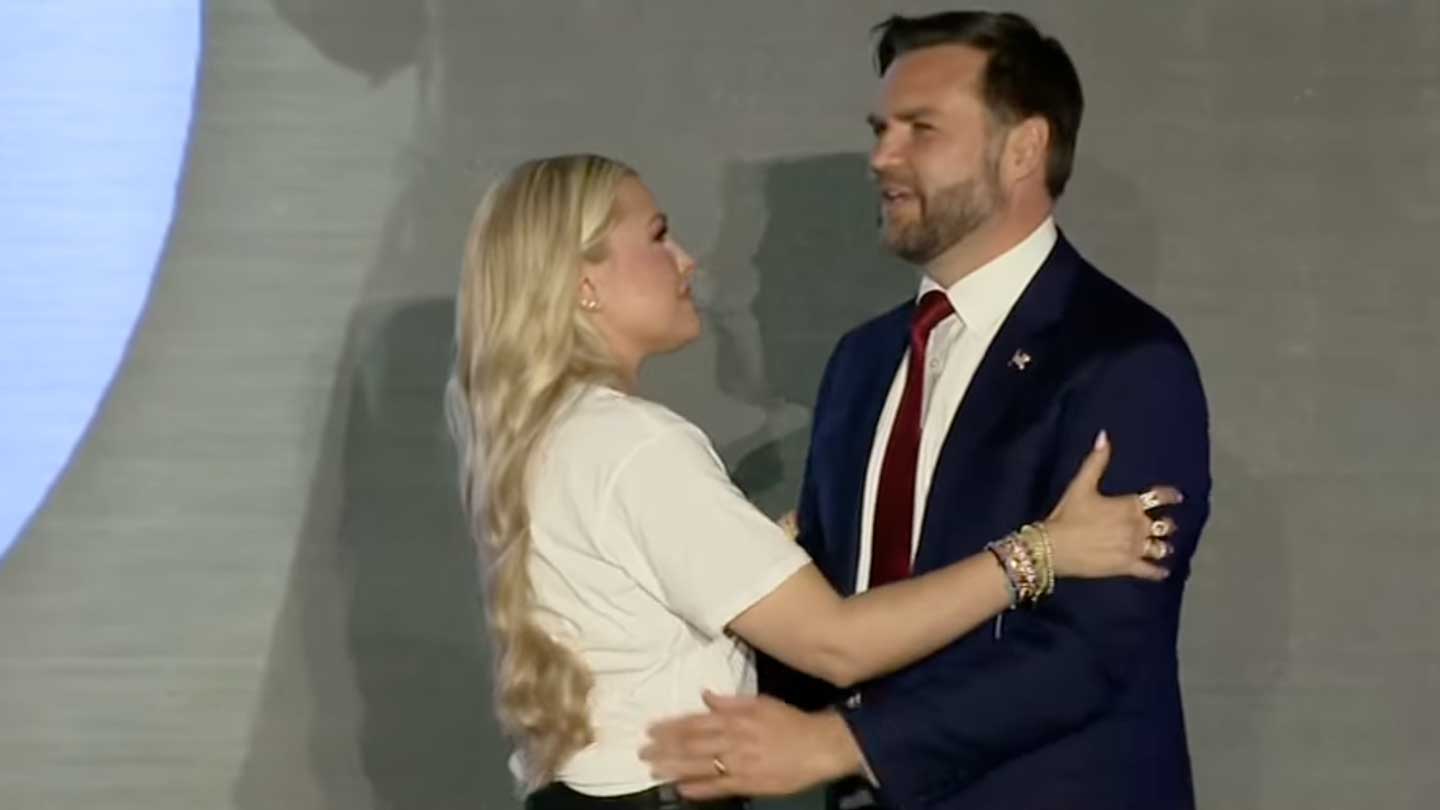
Erika Kirk Endorses JD Vance for President in 2028
Ohio State Representative Erika Kirk has publicly endorsed U.S. Senator JD Vance as a presidential choice for 2028, signaling early momentum within certain conservative political circles. Kirk’s backing adds to the growing list of endorsements for Vance as he positions himself for a long-term national role.
While the 2028 election cycle remains years away, early endorsements like this can shape narratives around leadership, policy direction, and political alignment — all of which can influence market expectations.
Why This Matters for Market and Policy Narratives
Early Political Signaling Can Shift Risk Perception
High-profile endorsements act as signals about policy priorities and ideological cohesion within parties. For markets, political clarity — or the lack of it — can affect risk pricing in sectors tied to regulation, taxation, and governance.
Investor Sentiment and Policy Expectations
As political figures stake early claims and gather support, investors may begin to model how regulatory frameworks could shift across healthcare, finance, technology, and energy depending on perceived leadership direction.
Narrative Formation Ahead of Election Cycles
Even long before an election, political narratives form and feed into sentiment. Traders and allocators watch these narratives for clues about sector risk, long-term fiscal policy, and geopolitical positioning that could influence capital flows.
Market and Sector Implications
Regulatory Sensitive Sectors
Policy expectations tied to future administrations — especially in healthcare, energy, and financial services — often react to political narratives. Options markets may show early shifts in implied volatility as traders hedge around regulatory uncertainty.
Fiscal and Tax Policy Expectations
Endorsements for candidates who champion specific fiscal approaches or tax regimes may influence how markets price corporate earnings, investment incentives, and credit yields over longer horizons.
Consumer and Confidence Indicators
Political momentum can sway consumer confidence, especially if tied to broader narratives around economic stability or growth. Market participants often treat rising political consensus or polarization as factors in volatility and sector rotation.
What Options Traders Should Watch
- Implied volatility changes in regulatory-sensitive sectors
- Hedging activity around fiscal and tax policy narratives
- Skew shifts reflecting shifts in risk sentiment tied to political headlines
- Sector rotation between growth and defensive plays
Political developments often show up first in options positioning before broader impact appears in spot markets.
What to Monitor on Unusual Whales
- Unusual options flow in sectors tied to healthcare, finance, energy, and regulation
- Volatility regime shifts aligned with political endorsements or narrative shifts
- Market-tide indicators showing traders’ risk appetite
- Positioning changes as narratives around fiscal and political direction evolve
Unusual Whales’ tools — options flow tracking, volatility analytics, and market-tide signals — can help identify early positioning changes as political narratives intersect with economic expectations.
Do you want to see how to make more plays? Do you want to find gains yourself?
Unusual Whales helps you find market opportunities through market tide, historical options flow, GEX, and much more.
Create a free Unusual Whales account to start conquering the market.
Early endorsements can shape the tone of long-term political and policy debates. For markets, political clarity and momentum — even in the early stages — often feed into volatility, regulatory risk pricing, and positioning ahead of major economic shifts.