
EU Says It Will Accept No Increase in US Tariffs After Supreme Court Ruling — Traders Watch Global Trade Risk
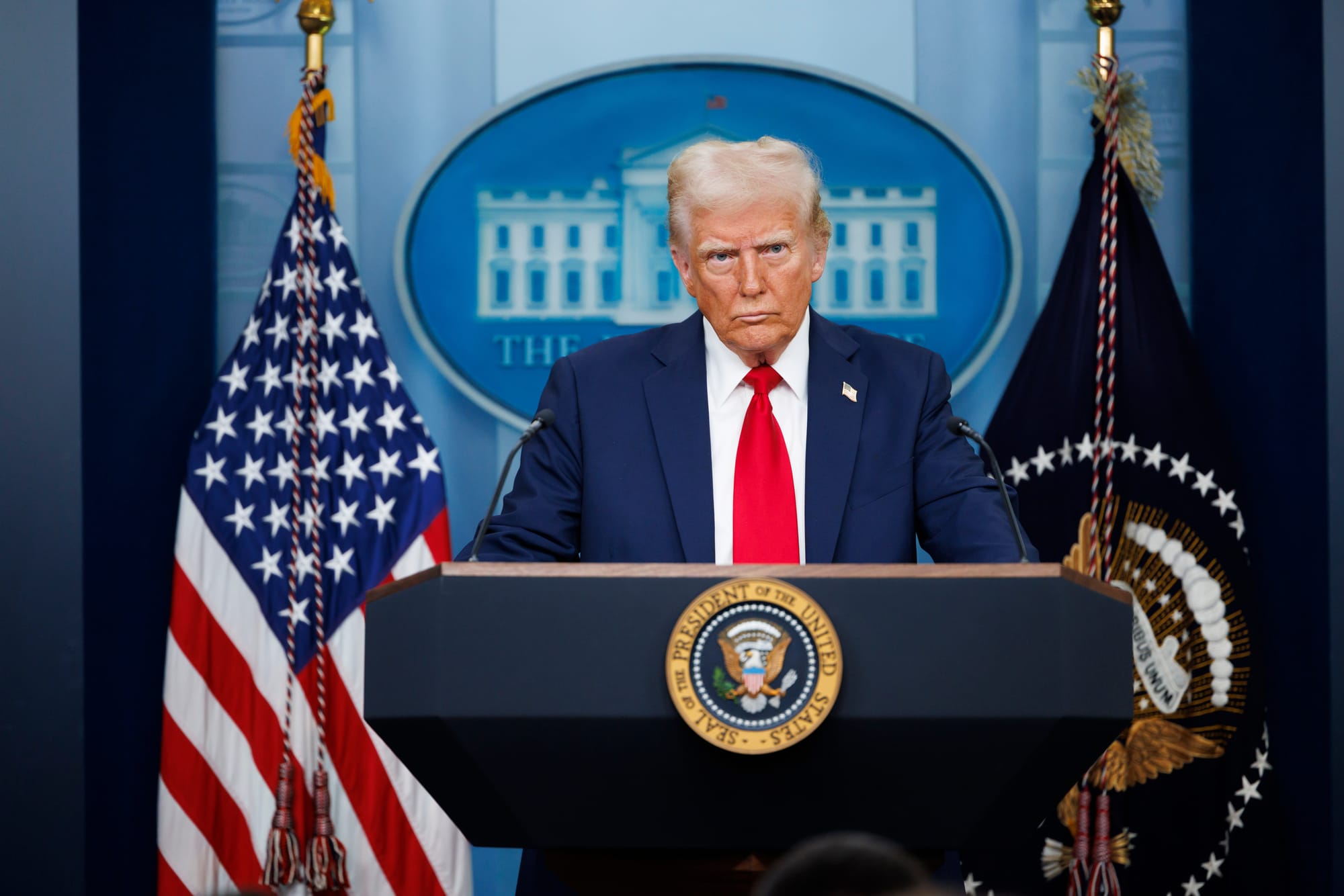
EU Pushes Back After US Tariff Turmoil
European Commission officials have publicly stated that the European Union will accept no increase in U.S. tariffs above previously agreed levels following a messy fallout from a recent U.S. Supreme Court ruling that struck down key global tariffs imposed by the U.S. administration.
The EU asserts that “a deal is a deal” — demanding clarity from Washington and warning that unpredictability in tariff policy undermines confidence in transatlantic trade.
That position comes amid broader uncertainty after U.S. President Donald Trump responded to the court decision by reinstating tariffs temporarily at 10%, then raising them to 15%, even as the legal foundation for those duties remains contested.
In response, EU lawmakers have delayed ratifying the trade agreement while concerns grow over whether the terms of last year’s joint framework will hold.
What This Means for Global Markets
When global trade policy becomes unpredictable, markets respond fast — often through currency moves, commodity shifts, and hedging via options flow:
1. Currency Volatility
Uncertainty in trade relations can buoy the U.S. dollar as a safe-haven. Traders may hedge currency exposure or reposition capital toward perceived stability.
Watch: USD-correlated ETFs via Unusual Whales
- UUP (U.S. Dollar Index Bullish Fund) — https://unusualwhales.com/stock/uup/overview
2. Commodities & Supply Chains
Unpredictable tariff regimes can disrupt supply chains and pricing for raw materials.
Keep an eye on:
- Oil — https://unusualwhales.com/stock/uso/overview
- Copper — https://unusualwhales.com/stock/jjc/overview
- Gold — https://unusualwhales.com/stock/gld/overview
Tariff risk often translates to commodity hedges as traders reassess inflation and global demand expectations.
3. Equities & Sector Rotation
Certain sectors are typically most sensitive to trade cost dynamics.
Industrial & Export-oriented Stocks
Tariff uncertainty can depress export demand as costs rise, while clarity often boosts flow toward global industrials:
Technology Supply Chains
Tech names reliant on global sourcing often see options hedging spike amid tariff news:
- AAPL — https://unusualwhales.com/stock/aapl/overview
- NVDA — https://unusualwhales.com/stock/nvda/overview
Options Trading Setup: Tariff Risk Equals Volatility
Policy uncertainty and tariff unpredictability are fertile ground for volatility trades before price action confirms direction:
- Protective puts on exporters and global cyclicals
- Elevated implied volatility (IV) across sectors linked to trade
- Large directional call/put spreads based on tariff outcome expectations
Monitor real-time flow for these signals here:
https://unusualwhales.com/news
Do you want to see how to make more plays? Do you want to find gains yourself?
Unusual Whales helps you find market opportunities through our market tide, historical options flow, GEX, and much, much more.
Create a free account here to start conquering the market with Unusual Whales:
https://unusualwhales.com/login?ref=blubber
The Broader Theme: Trade Policy Shapes Macro
This tariff saga underscores a larger macro narrative:
When global trade rules become unstable, capital allocators shift positions before fundamentals adjust — often via options positioning.
Tariff policies affect:
- Corporate earnings expectations
- Producer pricing and margins
- FX valuations
- Commodity risk premiums
Understanding how institutional traders are adjusting can provide a lead indicator for broader market moves.
Stay Ahead With Unusual Whales
Trade narratives evolve quickly — sometimes too fast for price charts.
To track where the smart money is moving, access options flow, institutional positioning, sector momentum, and more with Unusual Whales.
Sign up for a free account now:
https://unusualwhales.com/login?ref=blubber