
Fed Signals Positive 2026 Outlook But May Not Deliver All Trump’s Desired Rate Cuts
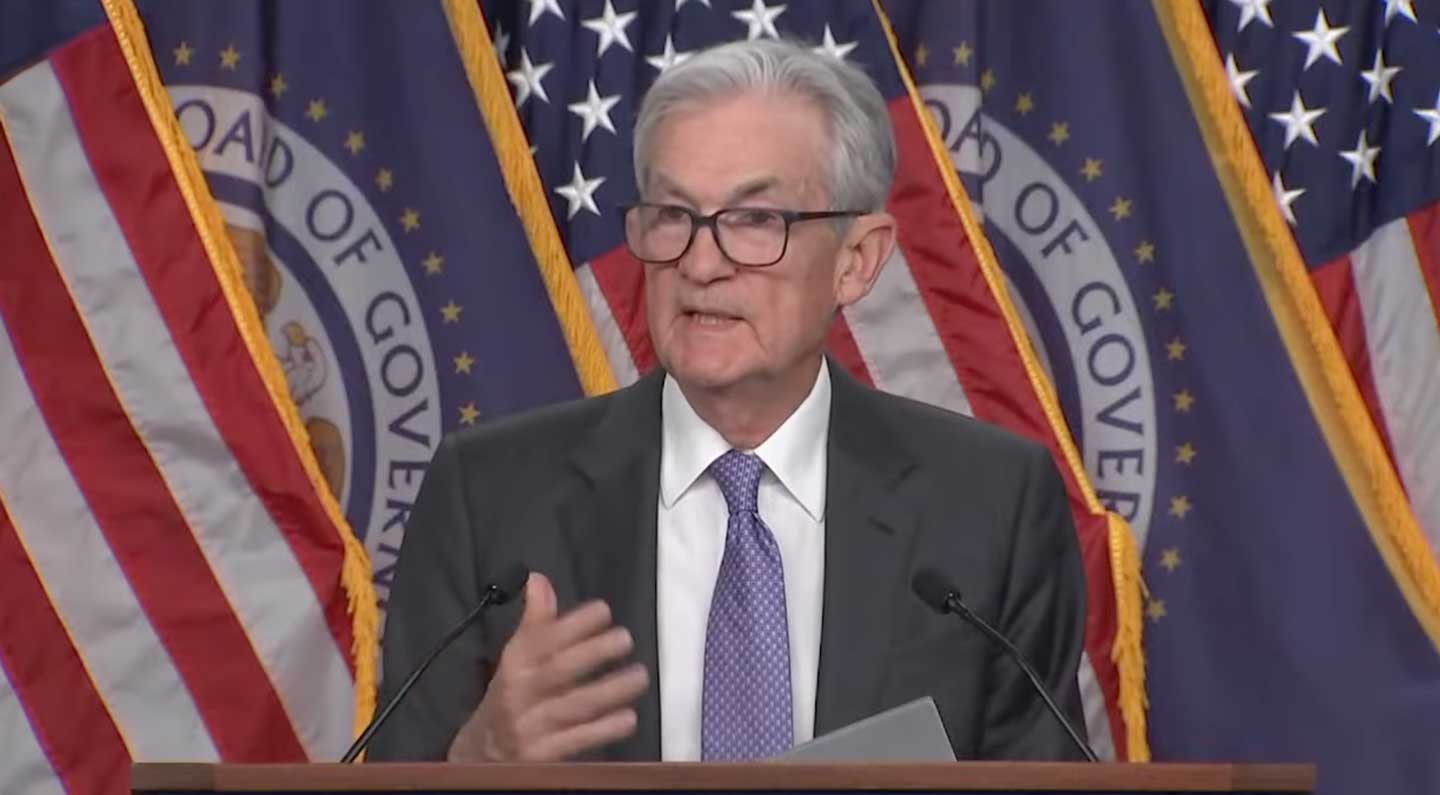
Fed Cautions Against Aggressive Rate Cuts Despite Political Pressure
The Federal Reserve has signaled it may not deliver the larger interest-rate reductions sought by President Donald Trump, even as it reiterates a positive outlook for the U.S. economy heading into 2026. Policymakers emphasize that recent inflation overshoots have eased and that the labor market and growth prospects support stability rather than aggressive policy shifts.
The Fed’s projections show an economy that could expand moderately next year, with inflation trending back toward target and the jobless rate remaining relatively low. Despite this, internal disagreement persists about how quickly and how far to cut borrowing costs beyond the modest moves already made this year.
What Powell and the Fed Are Signaling
Fed Chair Jerome Powell noted that while conditions have softened in some areas — including recent inflation trends — there is no consensus for large, rapid rate cuts. Recent quarterly forecasts project sustainable economic growth in 2026, a gradual return of inflation to near target, and a labor market that remains comparatively firm.
At the same time, the central bank confirmed it is watching data closely rather than locking in a predetermined policy path, indicating that future easing will depend on how economic indicators evolve.
Political Context and Policy Tension
President Trump has publicly argued for more substantial rate reductions to lower borrowing costs and ease financial conditions ahead of the 2026 midterm elections. But the Fed’s stance suggests it views inflation pressures as diminishing and economic fundamentals as sufficiently resilient to justify caution. This divergence highlights ongoing tension between the Fed’s independent policy mandate and external political preferences. Reuters
Market Implications — Policy Expectations vs Reality
Interest Rate Expectations and Market Pricing
Markets had been pricing in the potential for multiple rate cuts in 2026, but the Fed’s more measured guidance could temper expectations. Traders may adjust positions if they conclude that any additional cuts will be limited rather than deep or frequent.
Volatility in Rates-Sensitive Assets
Uncertainty over future rate cuts — especially with political pressure in the backdrop — could support higher volatility in fixed-income markets, financial stocks, and rate-sensitive sectors.
Repricing of Expectations
If the Fed holds firm on a cautious approach, yield curves and interest-rate derivatives could reflect a more muted easing trajectory, affecting valuations in interest-rate–linked assets and beyond.
What Investors Should Watch on Unusual Whales
- Rate-sensitive sectors — financials, real estate, and consumer-credit names often respond first to shifts in rate expectations.
- Volatility and hedging activity around macro catalysts — unusual puts or skew changes can signal growing concern about policy uncertainty.
- Shifts in implied volatility across broad indices — broader sentiment shifts may show up well before price moves become evident in underlying equity prices.
Unusual Whales historic options flow and volatility tools can help identify shifts in rate-expectation pricing and market sentiment.
The Fed’s message is clear: the economy may be strong enough that only moderate easing is warranted, even if political actors push for steeper cuts. As a result, markets will likely grapple with balancing optimism over the growth outlook with uncertainty about future monetary policy direction.