
Hillary Clinton Testifies in Epstein Files Probe — Closed-Door Hearing Sparks Political Clash
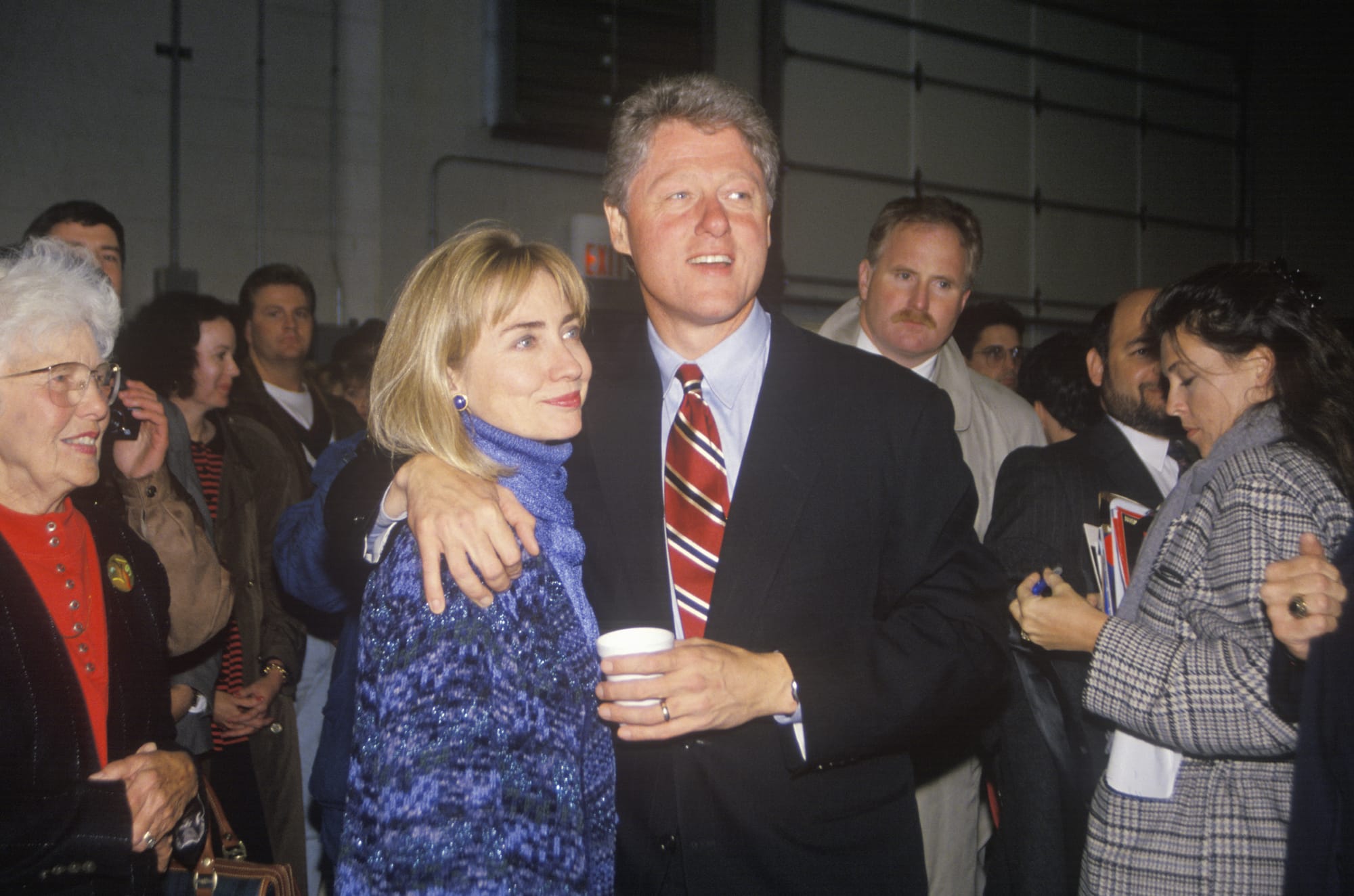
Clinton Testifies in Epstein Files Congressional Hearing
Former U.S. Secretary of State Hillary Clinton spent six hours testifying in a closed-door session before a Republican-led House Oversight Committee about the Jeffrey Epstein files, drawing sharp political conflict over both process and substance.
Clinton’s testimony, centered on her knowledge of Epstein and connections to associates like Ghislaine Maxwell, did not provide new evidence tying her to Epstein’s criminal network — but it did fuel partisan disputes over transparency and motivations.
Why Clinton Was Called
Republican Oversight Chairman James Comer subpoenaed Clinton as part of congressional efforts to probe the sprawling volume of material in the Epstein archive — a trove of financial records, visitor logs, and photographs linked to Epstein and his circle.
GOP leadership says it seeks to understand how Epstein’s network operated and whether powerful figures had inappropriate ties. Democrats counter that the committee is using the files to score political points.
Clinton’s legal team initially pushed to provide written statements rather than appear in person, but Comer threatened contempt charges, prompting her in-person testimony.
Key Moments from the Hearing
The six-hour session in Chappaqua, New York included:
- Republicans pressing Clinton on her association with Maxwell and Epstein’s network.
- Clinton repeatedly stating she had no personal knowledge of Epstein’s crimes, connections to his properties, or involvement in illegal activities.
- Tension when a committee member leaked images from inside the room, prompting a temporary recess to address confidentiality concerns.
- Clinton noting that Maxwell’s attendance at a Chelsea Clinton wedding was in a social context, not indicating deeper ties.
- Criticism from Republicans that Clinton deflected questions, sometimes pointing back to her husband, former President Bill Clinton.
None of the testimony directly implicated Clinton in wrongdoing, and she emphasized her lack of connection to Epstein’s criminal acts.
Political Backlash and Process Dispute
Afterward, Clinton’s camp called the hearing a “political spectacle” and criticized Republicans for what they view as a pursuit driven by partisan narratives rather than evidence.
Democratic lawmakers on the committee have demanded that a full unredacted transcript and recordings be made public — arguing that transparency should not be limited by the closed-door format.
Republicans defend the procedure as a legitimate step in understanding Epstein’s network and financial entanglements, even as they are pressed on their motivations.
What Clinton Said About Epstein
Clinton maintained that:
- She never met Epstein in contexts tied to his crimes.
- She did not know about his illegal activities during his lifetime.
- Her interactions with those in Epstein’s orbit were social and limited, not criminal or secretive.
She also questioned why her testimony was being sought when similar scrutiny has not — at the same level — been applied to other figures whose names appear in the Epstein files.
Next Steps and Public Access
Congressional leaders have indicated they may release more of the underlying Epstein documents and transcripts from testimonies, though timing and scope remain disputed.
Democrats say full public access to all materials is essential for accountability, while Republicans argue a phased release is necessary to protect sensitive information.
The committee is also expected to question former President Bill Clinton in the coming days — a development that could escalate political tensions.
What This Means Publicly
This high-profile deposition is part of a broader, politically charged inquiry into one of the most contested and sensitive troves of legal documents in recent years. The clash over process, transparency, and motives reflects deeper partisan divisions in Washington.
While no new criminal evidence emerged from the testimonies, the political impact and media attention are significant, and lawmakers from both sides are positioning for broader public debate.