
Iran’s Supreme Leader Plans to Flee to Moscow if Protests Escalate, Intelligence Report Says
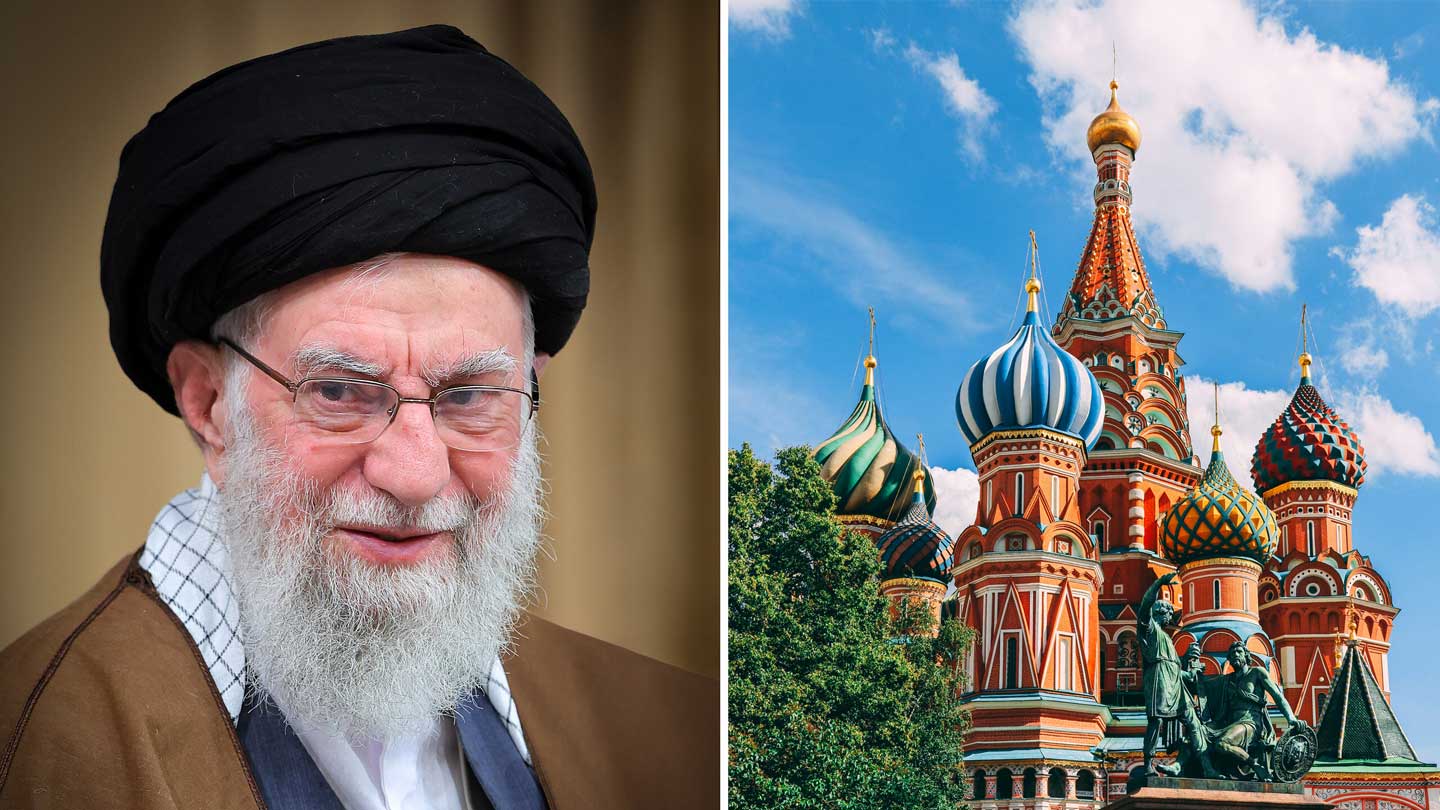
A report by The Times of London reveals that Iran’s Supreme Leader, Ayatollah Ali Khamenei, has drafted an emergency escape plan to flee to Moscow together with up to 20 close associates and family members if nationwide protests intensify and state security forces can no longer be relied on to suppress dissent. Intelligence sources cited in the report describe this as a “Plan B” scenario should the regime’s internal grip weaken.
This article explains what’s reportedly in the plan, why it matters, what context surrounds the protests, and how this could affect geopolitical risk premiums with possible implications for markets.
What the Report Claims
According to intelligence sources cited in The Times:
- Khamenei may flee Tehran along with his son and heir apparent, Mojtaba Khamenei, and up to 20 others if security forces (police, the Islamic Revolutionary Guard Corps, Basij militia) begin to desert or defy orders.
- A secure corridor to Moscow has been discussed, partly because Russia is seen as one of the few states willing to host Iran’s Supreme Leader and because of political and personal ties.
- The plan reportedly includes organizing assets, property abroad, and cash to facilitate a rapid and protected departure.
- Western intelligence profiles describe Khamenei as ideologically driven but also highly pragmatic, willing to abandon Tehran if his regime’s core support fractures.
- The plan reportedly mirrors previous escape routes used by allied leaders when facing mass dissent.
Verifying the Political Situation in Iran
This escape narrative fits into a broader pattern of unrest in Iran:
- Protests have swept the country, driven by economic hardship, inflation, and widespread discontent with the clerical establishment. Reuters reports that at least 16 people have been killed in over a week of protests, with clashes between security forces and demonstrators
- Supreme Leader Khamenei’s own response in recent days has been to frame dissent as threats to order, warning that “rioters must be put in their place,” according to AP News coverage.
- The protests are among the largest since the 2022 movements sparked by the death of Nika Shakarami and others, which drew international attention.
- Those demonstrations often included chants explicitly targeting Khamenei’s authority
Contextually, Iran’s political system centralizes power in the office of the Supreme Leader, above the elected president and parliament, giving Khamenei near-absolute control over military and security forces.
International and Security Considerations
Russia as the “Backup Host”
The choice of Moscow as the escape destination is significant:
- Russia and Iran are strategic partners in multiple theaters, including Syria and nuclear negotiations.
- Moscow would likely offer a secure space resistant to Western intelligence pressure.
- The escape route implied in the report suggests long-term planning for regime survival, rather than an ad-hoc reaction.
Regime Stability and Security Loyalty
A key condition for activating the escape plan is if security forces no longer obey direct orders. That scenario reflects a crisis of legitimacy inside Iran’s military and security apparatus — a serious development that could complicate internal cohesion.
Geopolitical Risk and Market Impacts
Even without immediate military conflict between Iran and major powers, this development increases geopolitical risk premiums in commodities, currency markets, and select equities.
Commodities — Oil & Energy
Iran is a major oil producer and member of OPEC+. Heightened instability tends to lift crude price expectations due to:
- Risk of supply disruption
- Sanctions uncertainty
- Strategic stockpile repositioning
While direct trading in Iranian oil markets may not be feasible for many firms, global supply expectations impact benchmark prices like Brent and WTI.
Defense & Security Playbooks
Heightened geopolitical tension historically correlates with increased defense spending and risk hedging via:
- Defense equities
- Options strategies on volatility
- Currency hedges
Unusual Whales users might monitor increased options flow in energy and defense names, particularly around volatility skews that reflect geopolitical risk.
Fact-Check Summary
- The escape plan is reported by The Times, a British daily with intelligence sourcing. Its claims have been independently echoed by multiple outlets around the world citing the same intelligence report
- The broader protest context — widespread unrest, violent clashes, economic drivers — is confirmed by Reuters and AP News.
- The narrative of a leadership contingency plan is presented as an intelligence assessment, not an official Iranian statement.
Bottom Line
Intelligence reports suggest that Ayatollah Ali Khamenei’s leadership has prepared a contingency plan to relocate to Moscow should Iran’s internal security collapse under the pressure of nationwide protests. This reflects both the severity of current unrest and the regime’s concern about its own stability.
While this remains a report, not a confirmed fact from Iranian officials, it is grounded in widely circulated intelligence sources and consistent with Assad-style precedents.
If you’re tracking geopolitical risk, energy markets, or volatility flows, this situation is evolving and could influence trader positioning.
Unusual Whales helps you find market opportunities through market tide, historical options flow, GEX, and much more.
Create a free Unusual Whales account to start conquering the market.