
Jeffrey Epstein said in emails that he had been advising the Russian government on how to deal with Donald Trump
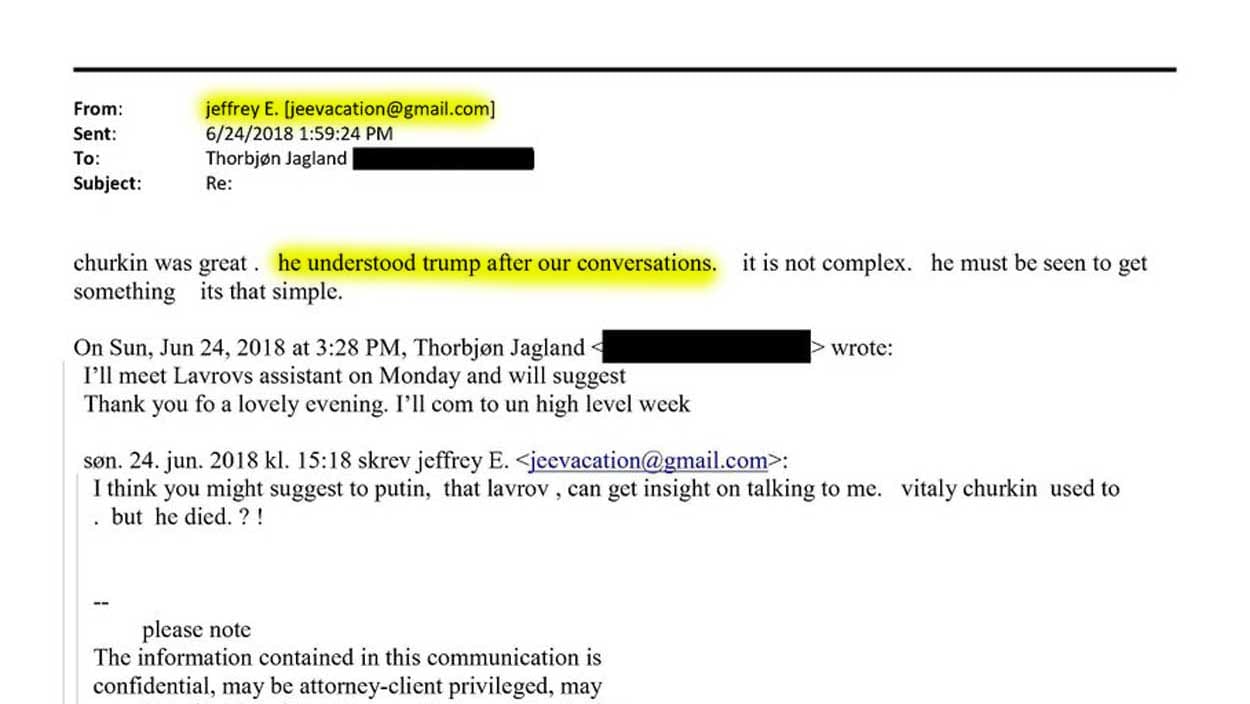
Emails released by the House Oversight Committee show Epstein claimed he could provide foreign leaders with a strategic edge in dealing with Donald Trump.
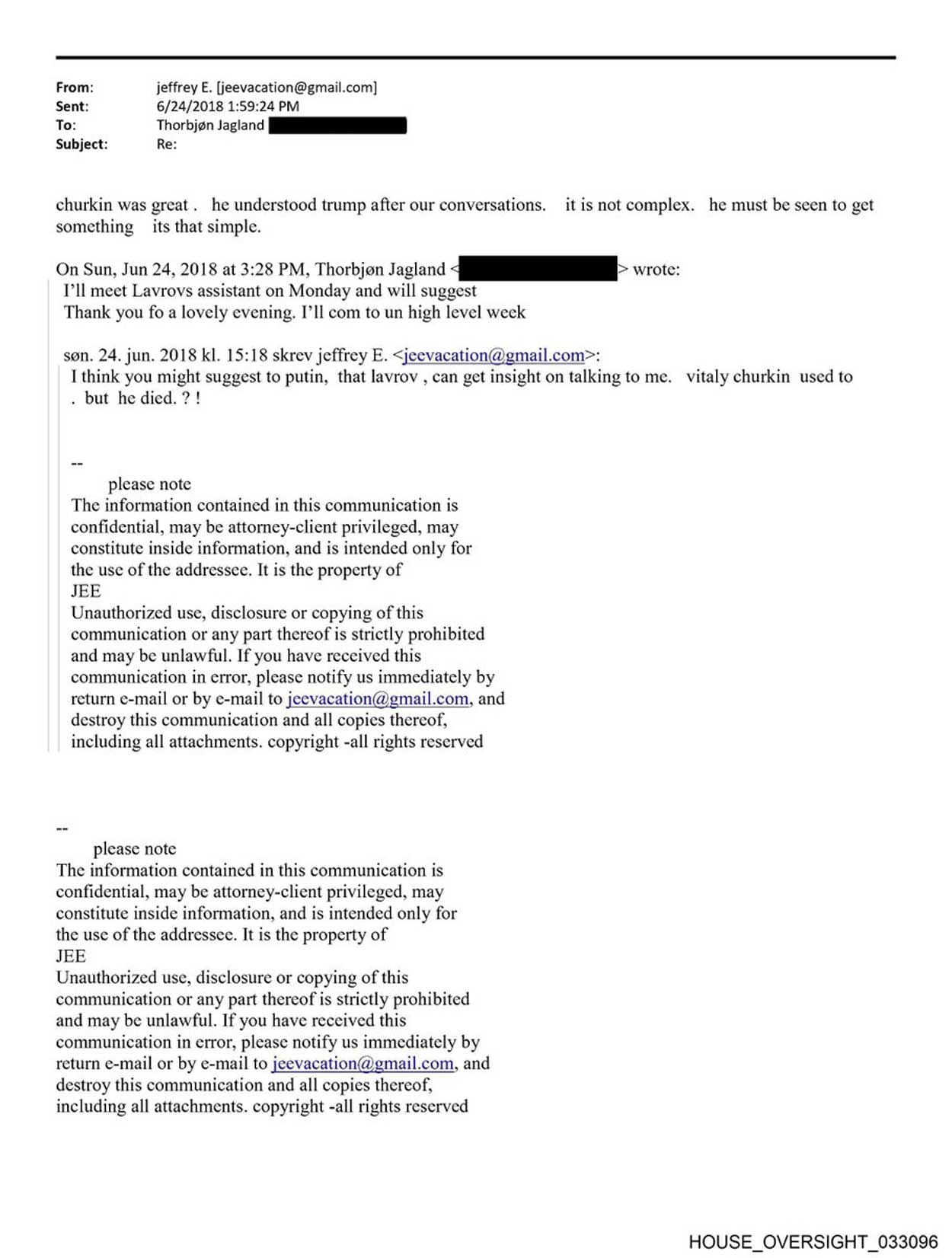
One 2018 message from Epstein to former Norwegian Prime Minister Thorbjørn Jagland says: “I think you might suggest to Putin that Lavrov can get insight on talking to me,” referencing Russian Foreign Minister Sergei Lavrov.
He also referred to his prior conversations with Russia’s late UN Ambassador Vitaly Churkin, noting “Churkin was great — he understood Trump after our conversations.” These messages paint Epstein as positioning himself as an intermediary in global political dynamics.
Response & Context
The White House, via Press Secretary Karoline Leavitt, dismissed the emails, calling their release a politically motivated attempt to smear Trump’s reputation. While the documents don’t prove Trump’s involvement in Epstein’s trafficking network, they raise questions about what Trump knew and the nature of Epstein’s claims.
Why This Matters
- Political & Reputational Risk: Even without direct evidence of wrongdoing by Trump, claims of his awareness or involvement with Epstein’s network escalate scrutiny.
- Broader Investigations: The emails add pressure for further disclosure — subpoenas, hearings, or additional document dumps could follow.
- Narrative Shift: Epstein’s attempts to influence foreign actors by claiming access to Trump feed into broader geopolitical concerns about influence, surveillance, and manipulation.
Final Take
Epstein’s claims that he briefed Russian diplomats and offered strategic advice on Trump don’t prove wrongdoing, but they inject fresh complexity into a scandal that continues to ripple through U.S. politics. The real battle may now shift from legal exposure to public perception and the unfolding of what yet remains hidden.