
Macron Rejects “Bullies” at Davos as Trump Tensions Escalate
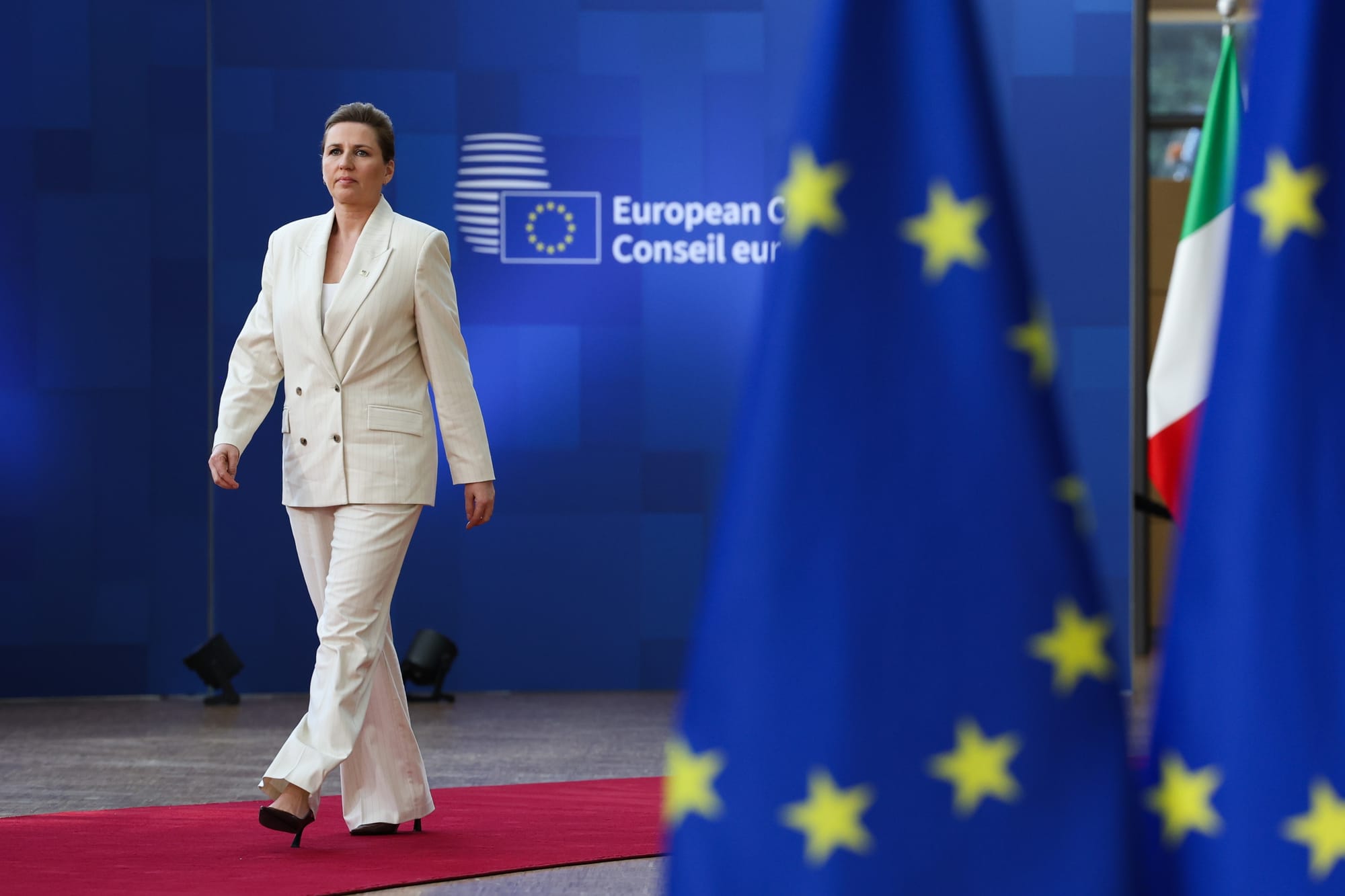
At the World Economic Forum in Davos, French President Emmanuel Macron delivered a pointed message about global cooperation and norms — saying Europe would “prefer respect to bullies” in the context of rising tensions with the United States over territorial, trade, and geopolitical disputes.
Macron’s remarks come against the backdrop of Trump’s controversial push around Greenland, tariff threats, and public diplomatic confrontations, signaling a broader strain in transatlantic relations that markets are actively digesting.
Do you want to see how to make more plays? Do you want to find gains yourself?
Unusual Whales helps you find market opportunities through our market tide, historical options flow, GEX, and much, much more.
Create a free Unusual Whales account to start conquering the market.
What Macron Actually Said — And Why It Matters
Macron’s speech at Davos emphasized:
- A rejection of coercive diplomacy and “the law of the strongest” in favor of rule-based cooperation.
- A broader critique of geopolitical behavior that appears to sideline norms like mutual respect and international law.
- The message was understood globally as a rebuke of unilateral pressure, including controversial U.S. moves involving Greenland and proposed tariffs.
That tone — a leader publicly framing tension as a divergence between cooperation versus coercion — has tangible implications for market risk sentiment and volatility expectations.
Market & Volatility Signals From Rising Geopolitical Strain
When geopolitical headlines intensify, markets don’t sit still — they reprice risk.
Sentiment Shifts
Heightened diplomatic friction between major economies can:
- Elevate implied volatility (IV) as traders demand protection.
- Trigger options skew shifts toward downside hedging (puts).
- Shift flows toward traditional safe-haven assets.
Stocks & ETFs to Monitor via Unusual Whales
Here are tickers where macro geopolitical tension and volatility repricing often show up first:
Broad Market Risk Exposure
- SPY (S&P 500 ETF)
Sentiment and broad equity risk pricing. - QQQ (Nasdaq 100 ETF)
Tech and growth exposure are sensitive to risk appetite.
Volatility & Hedge Vehicles
- VIX (Cboe Volatility Index)
Tracks implied volatility spikes tied to geopolitical headlines. - TLT (Long-Term Treasuries ETF)
Safe-haven rotation when risk sentiment rises.
Global Trade & Currency Sensitivity
- GLD (Gold ETF)
Gold often rises with geopolitical risk. - URO (U.S. dollar exposure)
USD strength can accompany flight-to-quality moves.
Options Flow Signals to Watch
Geopolitical tensions can show up as clear signals in options positioning:
1. Elevated Put Demand
- Increased put buying on SPY/QQQ reflects hedging against broader risk, often before equities sell off.
2. Skew Expansion
- A skew rise suggests traders are paying more for downside protection versus upside exposure.
3. Volatility Term Structure Moves
- Near-term IV rising faster than longer maturities typically signals traders bracing for headlines.
Unusual Whales’ historical options flow dashboards reveal these patterns early so you can position ahead of price moves.
How Geopolitical Narratives Impact Markets
When political leaders publicly emphasize respect over coercion — especially against a backdrop of rising tensions with a global power — markets respond in predictable ways:
- Risk assets may underperform relative to defensives.
- Volatility premiums may inflate.
- Safe-haven flows into bonds and gold may increase.
- Sector rotation toward stability over cyclical growth.
Traders who can track real-time flows and volatility signals often get positioning clues before broad market moves.
Final Thought: Words Matter — And Markets React Faster
Diplomacy speeches at Davos aren’t just sound bites — they’re market signals. Especially when they reflect heightened tension between major economies and a shift away from predictability toward contentious policy standoffs.
Watching options flow, volatility changes, and risk sentiment gauges gives traders insight into how the market feels about these macro narratives — and where money is actually moving.