
Minnesota Gov. Tim Walz Drops 2026 Reelection Bid Amid Fraud Scandal — Political Shift and Market Signals
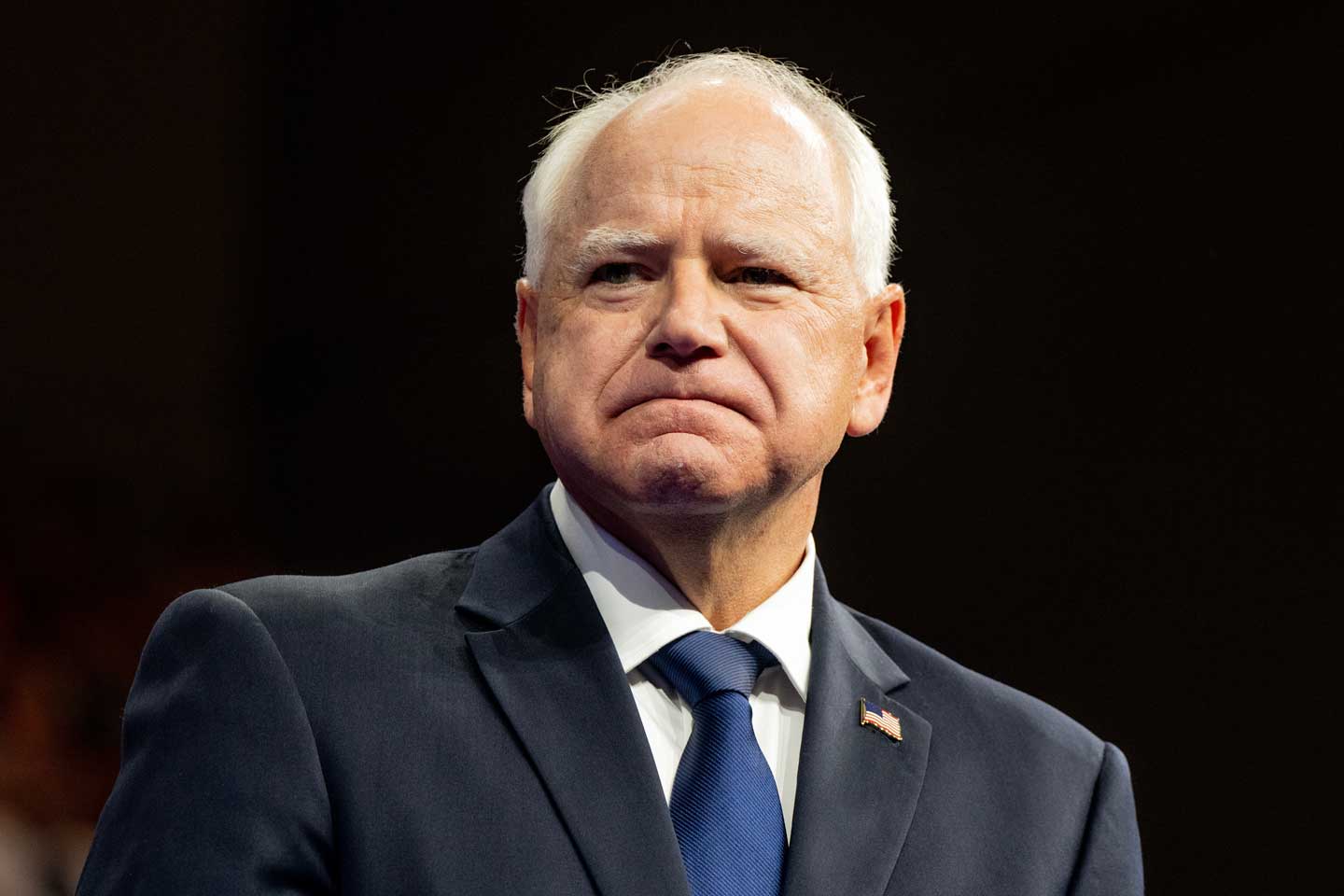
Minnesota Governor Tim Walz announced on January 5, 2026, that he will not seek a third term in office, exiting the 2026 gubernatorial campaign and reshaping the political landscape in the state.
Walz’s decision comes amid intense scrutiny of a welfare fraud scandal that has dominated state politics and spurred criticism from across the political spectrum. The news was widely reported by Reuters, The Guardian, and other outlets contemporaneously.
Why Walz Withdrew
Walz cited a strategic decision to focus on governance rather than the political pressures of a campaign. In his public statement, he said he could not give a reelection bid “his all” while also addressing the fallout from fraud allegations that have dominated headlines in Minnesota politics.
The fraud controversy centers on widespread misuse of public funds through state programs, including significant allegations involving “Feeding Our Future” and other childcare-related subsidies. Federal prosecutors have charged dozens of individuals in connection with what authorities contend is extensive fraud.
Walz highlighted that “every minute defending my own political interests would be a minute I can’t spend defending the people of Minnesota against the criminals who prey on our generosity”, in a quote widely reported across multiple outlets.
National Political Context
Walz’s decision marks a notable turn for a governor who gained national prominence in 2024 as the Democratic vice-presidential nominee. His withdrawal alters the competitive 2026 gubernatorial landscape and opens the door for new contenders.
According to multiple reports, Senator Amy Klobuchar is considering a run for governor, though she has not made a formal announcement. Other potential Democratic candidates and Republicans have also been discussed as possible entrants in the race following Walz’s exit.
Political Fallout and Public Perception
Critics have seized on the welfare fraud issue to question Walz’s leadership, and Republican figures including Donald Trump and GOP state lawmakers amplified the criticism, linking the scandal to broader concerns about governance and accountability.
Walz has pushed back against what he characterized as partisan attacks, emphasizing that the fraud issues are being taken seriously by his administration and that efforts to reform oversight and accountability are ongoing.
Policy Implications Going Forward
With Walz’s departure, Minnesota’s policy focus may shift:
Fraud and Oversight Reform
Walz announced systemic changes, including task force deployments and expanded investigations, as part of efforts to curb fraud in public assistance programs. The next governor may continue or expand that approach depending on political alignment.
Federal Funding Dynamics
Federal responses — such as temporary freezes of certain child care funds due to fraud concerns — may remain a contentious policy issue, especially in the run-up to the 2026 election.
Democratic Unity and Primary Dynamics
Walz’s withdrawal may prompt a reshuffling of the Democratic-Farmer-Labor Party’s strategy, especially if figures like Sen. Klobuchar enter the governor’s race or other state leaders vie for the nomination.
Market Signals and Broader Impacts
While this is a state political development rather than a corporate or macroeconomic event, shifting political leadership and policy priorities can have secondary effects that institutional and regional investors watch:
1. Infrastructure and State Bonds
- State fiscal leadership changes can influence outlooks for Minnesota’s municipal bonds if policy priorities shift substantively.
2. Labor Market and Public Services
- Leadership transitions can affect sectors tied to state employment, public services, and social programs if priorities are reweighted by a new administration.
3. Political Risk and Domestic Sentiment
- Investors and strategists sometimes track high-profile political exits as part of sentiment analysis; major state leadership shifts can feed into broader risk appetite metrics.
These are not necessarily direct trading signals, but they can influence risk premium analysis and regional economic projections.
What’s Next in Minnesota Politics
With Walz out, the field for the 2026 Minnesota gubernatorial election is shifting:
- Sen. Amy Klobuchar is widely reported to be considering a run.
- Other Democrats like Attorney General Keith Ellison and Lt. Gov. Peggy Flanagan have been discussed as potential contenders.
- The Republican nomination is also unsettled, offering pathways for GOP challengers in a swing state environment.
The November 2026 election remains open and competitive, with major implications for partisan control in one of the Midwest’s largest states.
Bottom Line
Minnesota Gov. Tim Walz has formally ended his 2026 reelection bid, choosing to focus on governance and response to widespread welfare fraud investigations rather than a spirited campaign. His withdrawal reflects not just policy challenges, but also the broader national political climate where local issues feed into federal partisan narratives.
This development recalibrates the gubernatorial race, energizes a new field of potential candidates, and positions Minnesota politics as a key area to watch through 2026.
Sign Up
For traders watching shifting geopolitical risk and how it affects markets, real-time alerts and options flow analytics can help you stay ahead of these macro drivers.
Unusual Whales helps you find market opportunities through market tide, historical options flow, GEX, and much more.
Create a free Unusual Whales account to start conquering the market.