
Minnesota Governor Walz Prepares National Guard After Fatal ICE Shooting in Minneapolis — Verified Overview & Broader Context
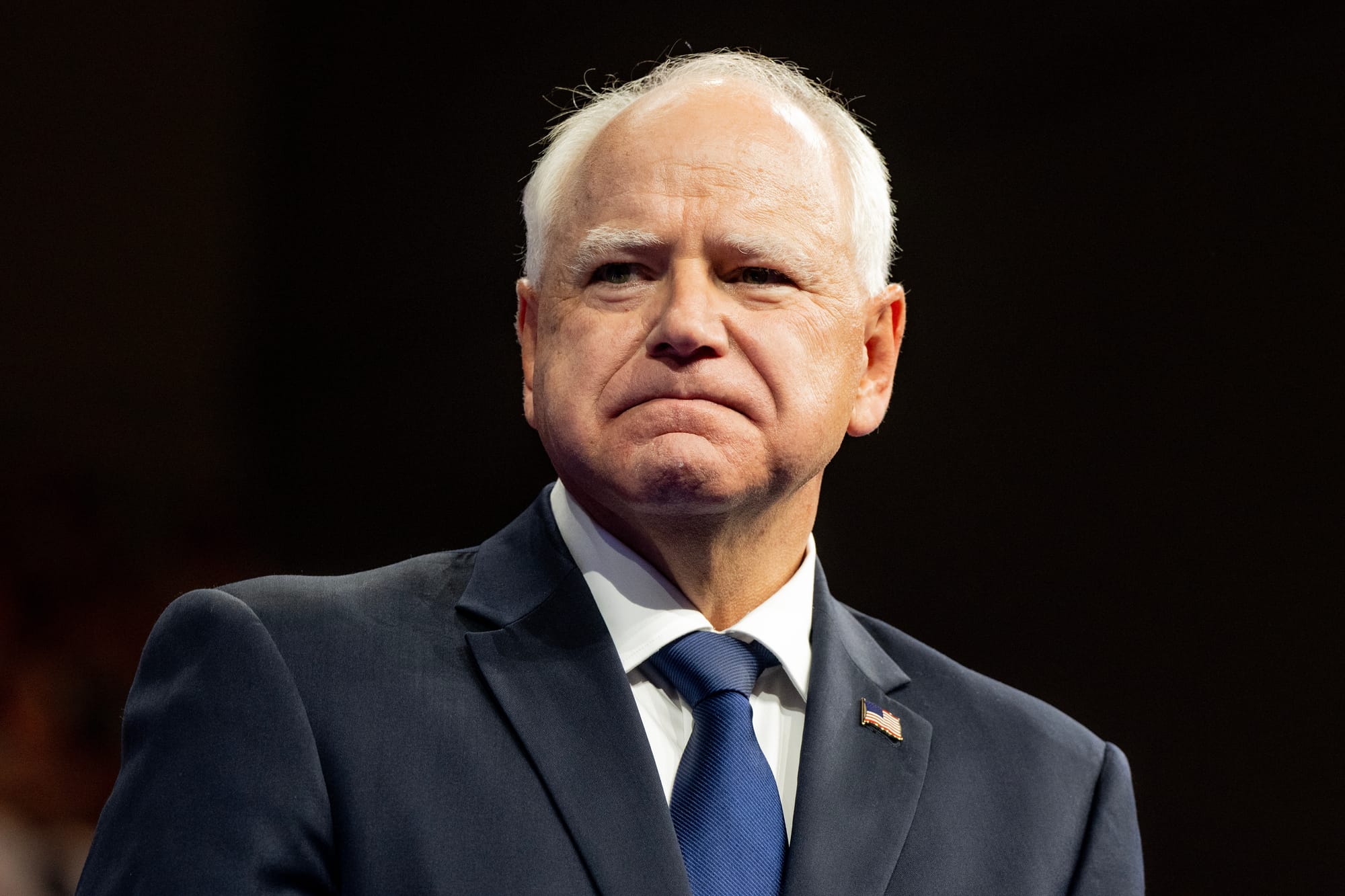
Minnesota Gov. Walz Puts National Guard on Standby After Controversial ICE Shooting
Minnesota Governor Tim Walz has ordered the state National Guard on standby following the fatal shooting of a 37-year-old woman by a U.S. Immigration and Customs Enforcement (ICE) officer in south Minneapolis, triggering national debate over federal enforcement tactics and local public safety.
The shooting has sparked protests, political clashes, and calls for accountability as leaders at multiple levels seek clarity on what happened and how investigations will proceed.
Fatal Shooting During Federal Enforcement Operation
A U.S. Immigration and Customs Enforcement officer fatally shot a 37-year-old woman, identified as Renee Nicole Good, during a federal immigration enforcement operation in Minneapolis on January 7, 2026.
Federal authorities claimed Good used her vehicle as a weapon against officers, prompting the use of lethal force. However, video evidence and eyewitnesses have contradicted the official account, showing conflict in how the interaction unfolded and raising questions about justification.
The incident took place during broader federal operations in the region, which both state and local leaders had criticized for escalating tensions.
Walz Responds: National Guard and Criticism of Federal Tactics
In response, Governor Tim Walz said Minnesota does not need “any further help from the federal government,” and has ordered the state National Guard on high alert to support public safety should unrest grow.
Walz also activated the State Emergency Operations Center and scheduled a public safety briefing to address the fallout from the shooting.
While urging residents to protest peacefully, Walz questioned whether a “fair outcome” can be reached without state participation in the federal investigation, which has been taken over by the FBI.
Disputed Narratives and Political Fallout
City and state leaders have sharply challenged the federal government’s description of the event:
- Minneapolis Mayor Jacob Frey called the federal narrative “garbage” and demanded ICE withdraw from the city.
- Minnesota Attorney General Keith Ellison criticized the federal immigration operation as harmful and terrorizing to communities.
- Sen. Tina Smith pointed out the victim was a U.S. citizen, reinforcing calls for transparency.
In contrast, federal officials including Homeland Security Secretary Kristi Noem and Vice President J.D. Vance have defended the ICE officer’s actions, describing the encounter as self-defense and blaming broader political rhetoric for emboldening violent behavior.
Public Reaction and Protests
The shooting ignited protests and public demonstrations in Minneapolis and beyond, with community members expressing grief and anger over federal enforcement tactics.
Witnesses described the fatal encounter as avoidable and contested the official claim that the driver posed a lethal threat, increasing scrutiny of federal use-of-force policies.
The location of the incident — near where George Floyd was killed in 2020 — has added emotional and symbolic weight to the response.
Investigation and Jurisdiction Dispute
The FBI has taken full control of the investigation, prompting criticism from Walz and other state officials, who argue that excluding local authorities undermines public trust and transparency.
State leaders have demanded involvement to ensure a comprehensive and credible inquiry, while federal law enforcement maintains jurisdiction given the federal status of the officer involved.
National Context: Immigration Enforcement Tensions
The incident comes amid a heightened federal immigration enforcement push in Minnesota and other communities. Thousands of federal agents were deployed as part of broader operations tied to alleged fraud and criminal investigations, which local critics say have eroded trust and escalated conflict.
National figures have weighed in, deepening partisan divides over immigration policy and use of force. Trump supporters have generally defended federal actions, while many Democrats and civil-rights activists see the shooting as a symptom of aggressive federal incursions into local neighborhoods.
Broader Implications
This fatal shooting and the resulting political and civil response could affect:
- Public safety policy debates — especially around federal vs. state roles in enforcement
- State-federal relations — given Walz’s public criticism of federal handling
- Civil rights and policing policy narratives — particularly regarding use-of-force standards
- Political discourse entering the 2026 election cycle
While not a direct market event, heightened civil unrest and political polarization can feed into risk sentiment, currency flows, and volatility in equities tied to security and public policy sectors.
Traders and analysts may watch for shifts in safe-haven demand and defensive asset positioning as political news like this unfolds.
Verified Summary
- A U.S. Immigration and Customs Enforcement agent shot and killed a 37-year-old woman in Minneapolis during a federal operation.
- Governor Tim Walz has put the Minnesota National Guard on standby and criticized federal tactics.
- Fed-state tensions and conflicting narratives have heightened community unrest and political debate
CTA: Track Policy & Volatility Signals With Unusual Whales
Political and civil events can influence markets before most traders react.
Track options flow, volatility, and sector rotation tied to policy news and risk sentiment with Unusual Whales.
Sign up for a free account:
https://unusualwhales.com/signup?utm_source=theblubber