
NYC to Study First U.S. Transit Thermal Energy Network to Cool Subways
Mayor Mamdani, Gov. Hochul and the MTA unveiled an $800,000 study for a Thermal Energy Network to cool NYC subway platforms and reuse the captured heat to warm municipal buildings, in what would be a U.S. transit first.
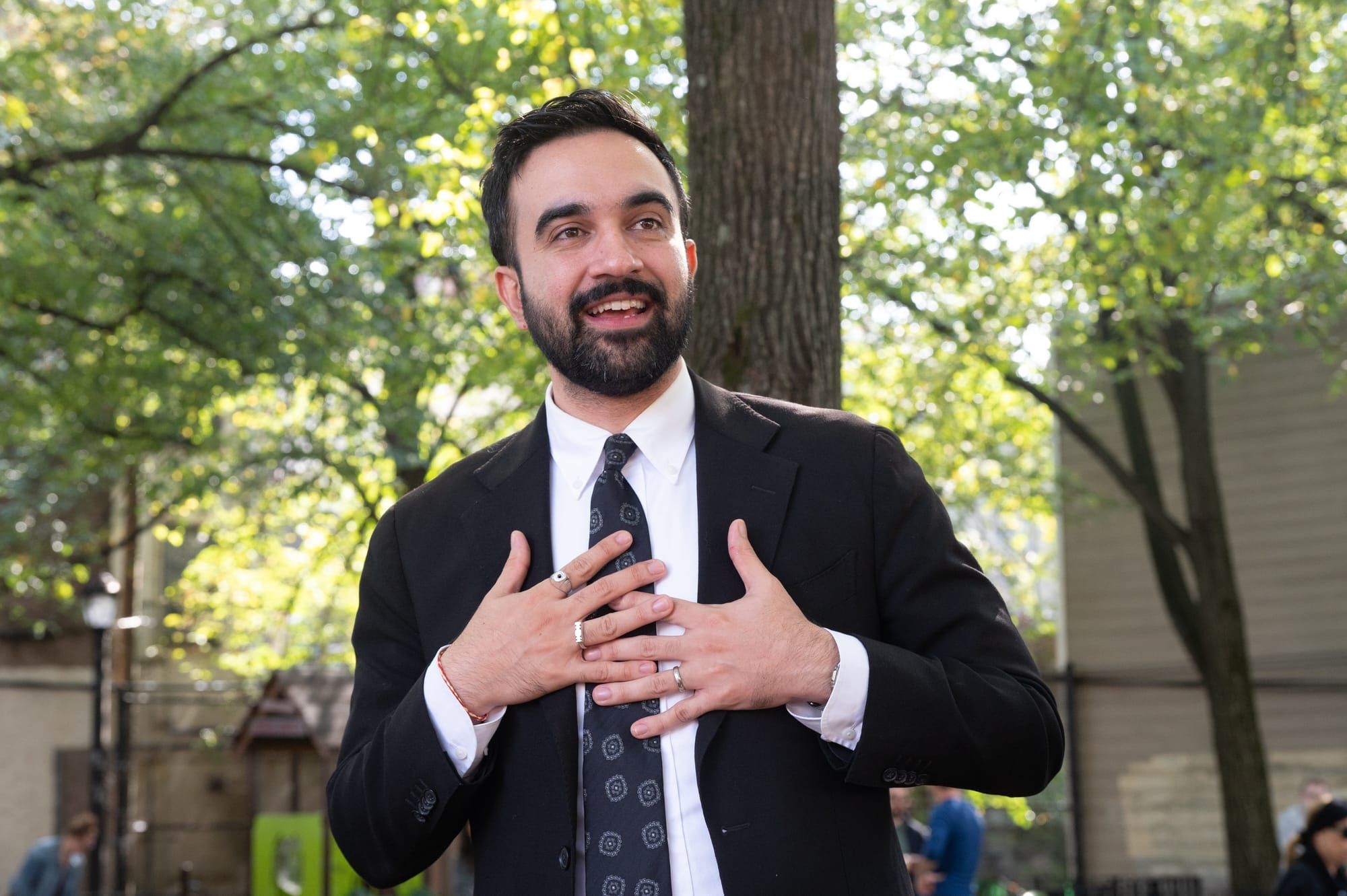
New York City is preparing to test whether the heat pouring off subway platforms can be captured and repurposed to warm municipal buildings in the winter. Mayor Mamdani, Governor Hochul and the MTA announced a partnership to study a Thermal Energy Network (TEN) in the Brooklyn Bridge-City Hall 4/5/6 and Chambers Street J/Z station complex, exploring how to combat extreme heat on subway platforms while capturing and recycling excess heat to warm nearby municipal buildings during the winter. It would be the first thermal energy network installed in a U.S. transit system.
What the plan actually does
The system, called a Thermal Energy Network, would suck heat out of subway stations and store it in nearby buildings during winter, with the pilot focused on the Brooklyn Bridge-City Hall and Chambers Street station complex.
The feasibility study would look to transfer heat through geothermal boreholes drilled underneath the abandoned center platform at Chambers Street, where excess heat could then be stored. Thermal energy networks are already used in hospitals and universities across the city to move heat between buildings.
Why the target stations
According to the MTA, Brooklyn Bridge-City Hall is one of the system’s hottest stations, with average summer temperatures reaching 96 degrees Fahrenheit in 2025. Mamdani said some stations soar up to 20 degrees hotter than the outside temperatures.
MTA Chair Janno Lieber noted that cooling subway stations is not as simple as adding air conditioning, given all the entrances and exits.
Do you want to see how to make more plays? Do you want to find gains yourself?
Unusual Whales helps you find market opportunities through our market tide, historical options flow, GEX, and much, much more.
Create a free account here to start conquering the market with Unusual Whales.
The price tag and timeline
The $800,000 pilot study will be funded using revenue from New York City’s congestion-pricing program, which charges drivers a fee to enter Manhattan at or below 60th Street. If the feasibility study is successful, design work on the technology will begin in 2027.
The broader revitalization of the 113-year-old Chambers Street J/Z station will rebuild structures, replace tiles, upgrade stairways, mitigate leaks and address water damage, with the MTA set to award a contract to advance this work by the end of 2026.
Options market and stocks to watch
There is no single pure-play ticker on an MTA feasibility study, but geothermal, HVAC and infrastructure names could see interest as U.S. transit systems explore heat-capture tech. Watch for:
- ORK (Ormat Technologies) — watch for flow tied to geothermal exposure, given the borehole-based approach.
- TT (Trane Technologies) — watch for interest tied to district energy and thermal network build-outs.
- JCI (Johnson Controls) — watch for HVAC and building-systems flow if municipal retrofits scale.
- ACM (AECOM) — watch for engineering and design contract exposure on large transit revitalization projects.
- PWR (Quanta Services) — watch for infrastructure buildout tie-ins on underground energy systems.
For more headlines like this, see other market news on Unusual Whales.
Want more market intelligence? Create your free Unusual Whales account for options flow, market tide, GEX, and the full toolkit.