
Pentagon’s 2026 National Defense Strategy Signals Big Shift — Unusual Whales Market & Options Impact
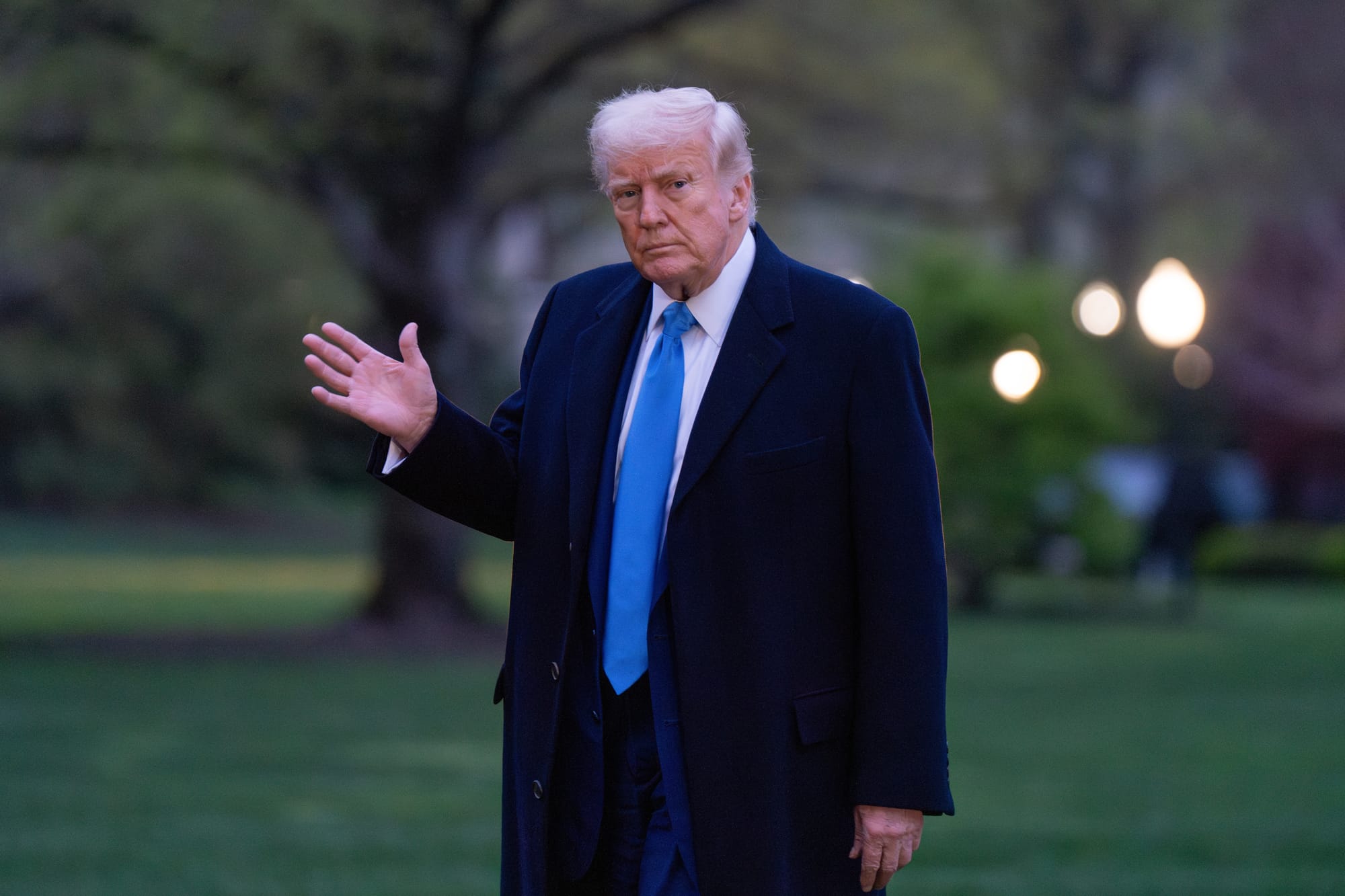
Pentagon Unveils 2026 National Defense Strategy — Unusual Whales Market Breakdown
The U.S. Department of Defense released its 2026 National Defense Strategy on January 23, signaling a major overhaul of American military priorities that’s reverberating beyond geopolitics and into markets, investor sentiment, and risk pricing.
Under the strategy, the Pentagon puts a renewed focus on homeland defense and hemisphere security, elevates deterrence against China in the Indo-Pacific, pushes for greater burden-sharing among allies, and aims to revitalize the U.S. defense industrial base.
This shift — which de-emphasizes longstanding overseas commitments in Europe and reorients strategy toward U.S. territory and the Western Hemisphere — has immediate implications for markets, especially around volatility, defense equities, and global risk sentiment.
Do you want to see how to make more plays? Do you want to find gains yourself?
Unusual Whales helps you find market opportunities through our market tide, historical options flow, GEX, and much, much more.
Create a free account here to start conquering the market with Unusual Whales: https://unusualwhales.com/login?ref=blubber
Key Priorities in the New Strategy
The 2026 National Defense Strategy (NDS) outlines four main lines of effort that investors and traders should understand:
1) Defend the U.S. Homeland First
The strategy places defending the homeland above all other missions, including through expanded border security measures, cyber defenses, and missile defense systems such as Golden Dome — a multibillion-dollar project inspired by Iron Dome.
2) Deterring China in the Indo-Pacific
While China remains a strategic competitor, the emphasis is on deterrence rather than confrontation, seeking stability and balance of power while reducing large overseas deployments.
3) Allies Must Shoulder More
The strategy bluntly calls for allies to take on more responsibility for their own defense — especially in Europe and East Asia — while the Pentagon provides critical but more limited support.
4) Supercharging the Defense Industrial Base
Rebuilding and modernizing the U.S. defense industrial base — including supply chains, weapons production, and advanced technologies — is a central goal of the strategy.
Why This Matters for Markets & Risk Sentiment
Defense strategies rarely move markets on their own — but the signals behind them do. Here’s how the 2026 NDS may shape investor behavior and option flows:
Risk Repricing and Volatility
- Heightened geopolitical risk often pushes markets to reprice risk and elevate implied volatility (IV).
- Traders may see spikes in volatility indices as macro uncertainty increases.
- Options markets often lead equity moves when strategy shifts like this shake sentiment.
Sector Rotation Risk
- Defense and national security equities may see increased interest if funding flows favor procurement and industrial expansion.
- Conversely, sectors tied to stability in Europe or traditional trade flows may face headwinds under a reduced U.S. footprint.
Tickers & Themes to Watch via Unusual Whales
Here are stocks and ETFs where markets may reflect flows, sentiment change, and volatility shifts tied to this defense strategy:
Broad Market & Risk Gauges
- https://unusualwhales.com/stock/spy/overview — SPY (S&P 500 ETF)
Core proxy for risk appetite and market stress. - https://unusualwhales.com/stock/qqq/overview — QQQ (Nasdaq 100 ETF)
Tech growth exposure sensitive to macro rotations.
Defense & National Security Plays
- https://unusualwhales.com/stock/rtx/overview — RTX (RTX Corp.)
Major defense contractor with global systems exposure. - https://unusualwhales.com/stock/lock/overview — LOCK (Lockheed Martin)
Defense prime often benefits from expanded procurement. - https://unusualwhales.com/stock/noc/overview — NOC (Northrop Grumman)
Specialized defense systems relevant to homeland and aerospace. - https://unusualwhales.com/stock/lmt/overview — LMT (Lockheed Martin) (duplicate for clarity — same as LOCK above)
Broad defense exposure tied to strategy execution.
Volatility & Hedge Indicators
- https://unusualwhales.com/stock/vix/overview — VIX
Implied volatility reflecting macro risk pricing. - https://unusualwhales.com/stock/tlt/overview — TLT
Long Treasuries often rally with flight-to-quality demand.
Safe Haven & Defensive Plays
- https://unusualwhales.com/stock/gld/overview — GLD
Gold often benefits from geopolitical tension.
Options Flow Signals You Should Track
Unusual Whales users can watch for specific options patterns that often precede market moves tied to macro and defense narratives:
Put Volume Growth
Spikes in put buying volume relative to calls on broad indices or defense names can indicate hedging ahead of potential risk events or macro repricing.
Skew Expansion
A widening skew (puts becoming more expensive relative to calls) often signals traders are paying up for downside protection due to increased uncertainty.
Short-Term IV Surges
Rapid increases in near-dated implied volatility suggest traders are bracing for near-term risk — especially around defense policy shifts or geopolitical headlines.
Unusual Whales’ historical options flow dashboard can reveal these emerging patterns before they show up in price action.
Broader Implications for the Economy
The defense strategy’s emphasis on the homeland and Western Hemisphere, mixed with reduced overseas commitments, reflects broader macro narratives:
- A push toward America-centric security may alter international trade and investment flows.
- Defense industrial revitalization could stimulate segments of the U.S. manufacturing and tech supply chain ecosystem.
- Pressure on allies to increase defense spending could change capital allocation in Asia and Europe.
Such narratives often ripple through corporate earnings expectations, risk premiums, and cross-asset flows, which are then translated into options pricing and volatility metrics.
Final Thought: Macro Policy Influences Market Pricing
A new military strategy isn’t just a policy document — it’s a macro signal that can influence investor expectations about risk, growth, and capital deployment. When markets internalize shifts in global security frameworks, options traders often react first through volatility pricing, skew shifts, and hedging patterns.
Tracking these signals with Unusual Whales gives you a front-row seat to how macro narratives become market moves.
Want the Edge on Macro & Volatility Trades?
If you want to turn geopolitical strategy and macro narratives into actionable market insights, use Unusual Whales’ live tools:
- Market Tide — gauge shifts in risk appetite
- Historical Options Flow — detect positioning before price moves
- Volatility Analytics — monitor risk pricing in real time
Sign up for your free account here: https://unusualwhales.com/login?ref=blubber