
Powell Says Inflation Overshoot Fueled by Tariffs — Market Impact & What Traders Should Watch
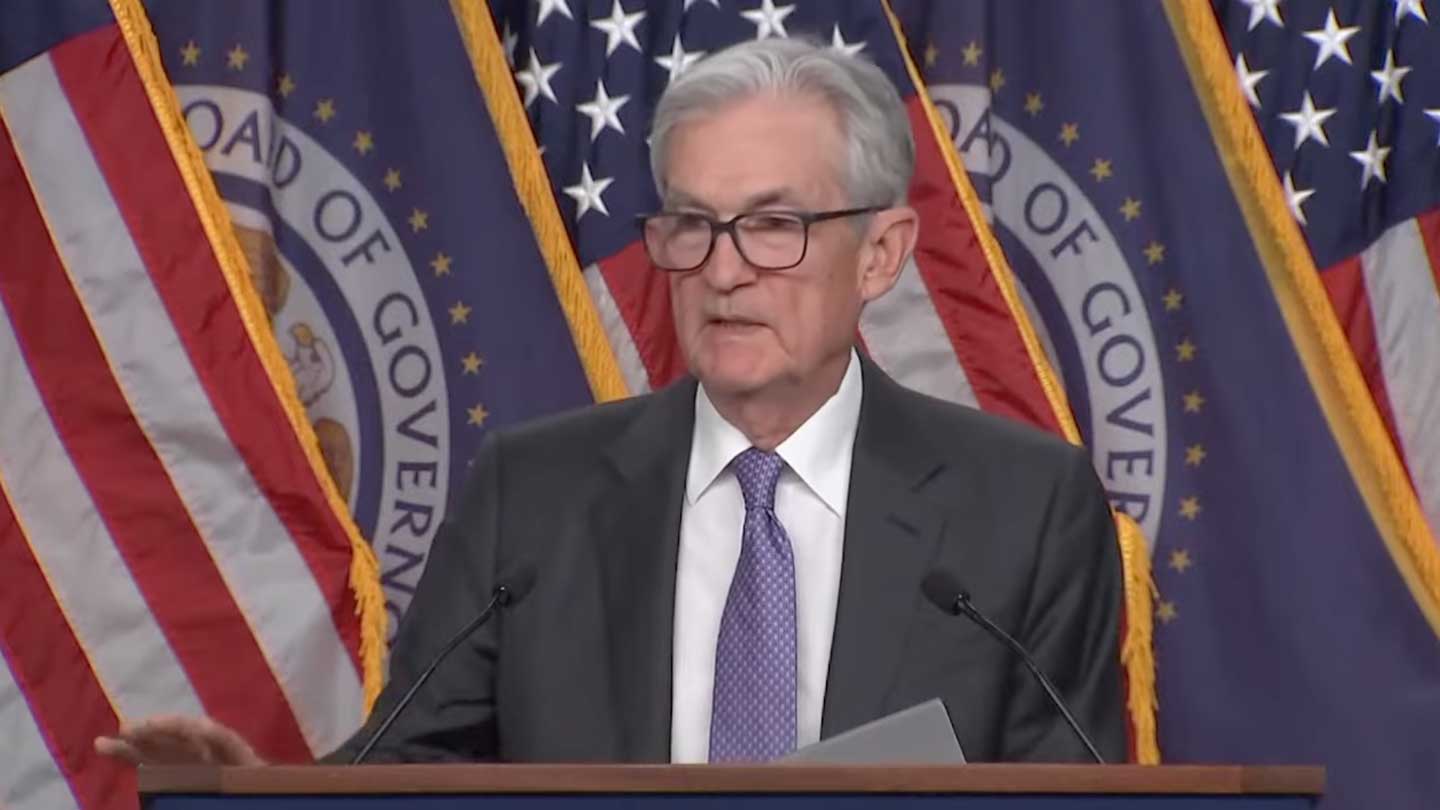
Powell Pinpoints Tariffs Behind Higher Inflation
Federal Reserve Chair Jerome Powell said that the reason inflation has exceeded the central bank’s 2% target isn’t inherent overheating in the economy but rather the price impact of import tariffs implemented under recent policy. He described this influence as largely a one-time price increase rather than a sustained trend, signaling that much of the inflation pressure comes from trade policy rather than persistent demand-side forces.
Powell’s comments came in the context of ongoing debate within the Fed about whether and when to cut interest rates further. Some officials see inflation pressures softening once tariff effects fade, while others remain wary about lingering price pressures.
What This Means for Monetary Policy
Tariff-Driven Inflation May Be Temporary
If tariff effects are truly one-offs, then inflation could fall back toward the target faster than if it were driven by core demand or wage spirals. That could give the Fed more flexibility in adjusting rates without fearing a sustained inflation breakout.
Rate Cuts and Diverging Views
The Fed has already reduced rates multiple times this year amid mixed economic signals, and Powell’s framing suggests focus on longer-term fundamentals rather than reacting to tariff-induced price noise. At the same time, internal disagreements over rate policy persist, with some policymakers pushing for caution and others favoring more aggressive easing.
Market Implications — Volatility & Sector Signals
Interest-Rate Expectations May Shift
If traders interpret Powell’s comments as confirming that inflation has structural “one-time” causes, markets could re-price expectations for future rate moves. That might reduce pressure for aggressive rate cuts and dampen volatility linked to interest-rate uncertainty.
Consumer & Supply Chain Sensitivity
Tariffs drive up costs for imported goods, which can squeeze margins for consumer-facing companies and raise input prices for manufacturers. Sectors tied to global supply chains and import-dependent inputs may remain sensitive to tariff signals, affecting earnings and price momentum.
Volatility Across Financial Assets
When policymakers highlight policy-induced price distortions, traders often adjust risk models and hedging behavior. That dynamic can increase demand for protective positions in bonds, rate derivatives, and equity volatility structures — particularly in rate-sensitive sectors and consumer names exposed to import price effects.
Diverging Economic Data Adds Complexity
With inflation showing mixed signals, labor market softness in some readings, and growth still positive, markets may oscillate between rate-cut speculation and uncertainty over how inflation evolves once tariff impacts fade.
What Traders Should Watch on Unusual Whales
- Interest-rate sensitive assets — track unusual options flow or volatility spikes in financials, banks, and long-duration equities as rate expectations shift.
- Consumer & retail sectors — monitor for rising put interest or volatility if tariff-driven costs weigh on margins and demand.
- Volatility gauges and skew — changes in hedging demand often show up early in options flow before price moves, especially in macro-sensitive names.
- Yield-curve reactions — tariff-induced inflation narratives can push traders to hedge rate risk, influencing Treasury yields and credit spreads.
Unusual Whales tools — historical options flow, volatility metrics, and market-tide analysis — can help you spot these signals as they develop.
Sign up for a free Unusual Whales account to start conquering the market.