
Proposal to Double H‑1B visa Cap to 130,000 — What It Means for Tech, Markets & Talent Flow
What’s Changing: H-1B Visas May Double
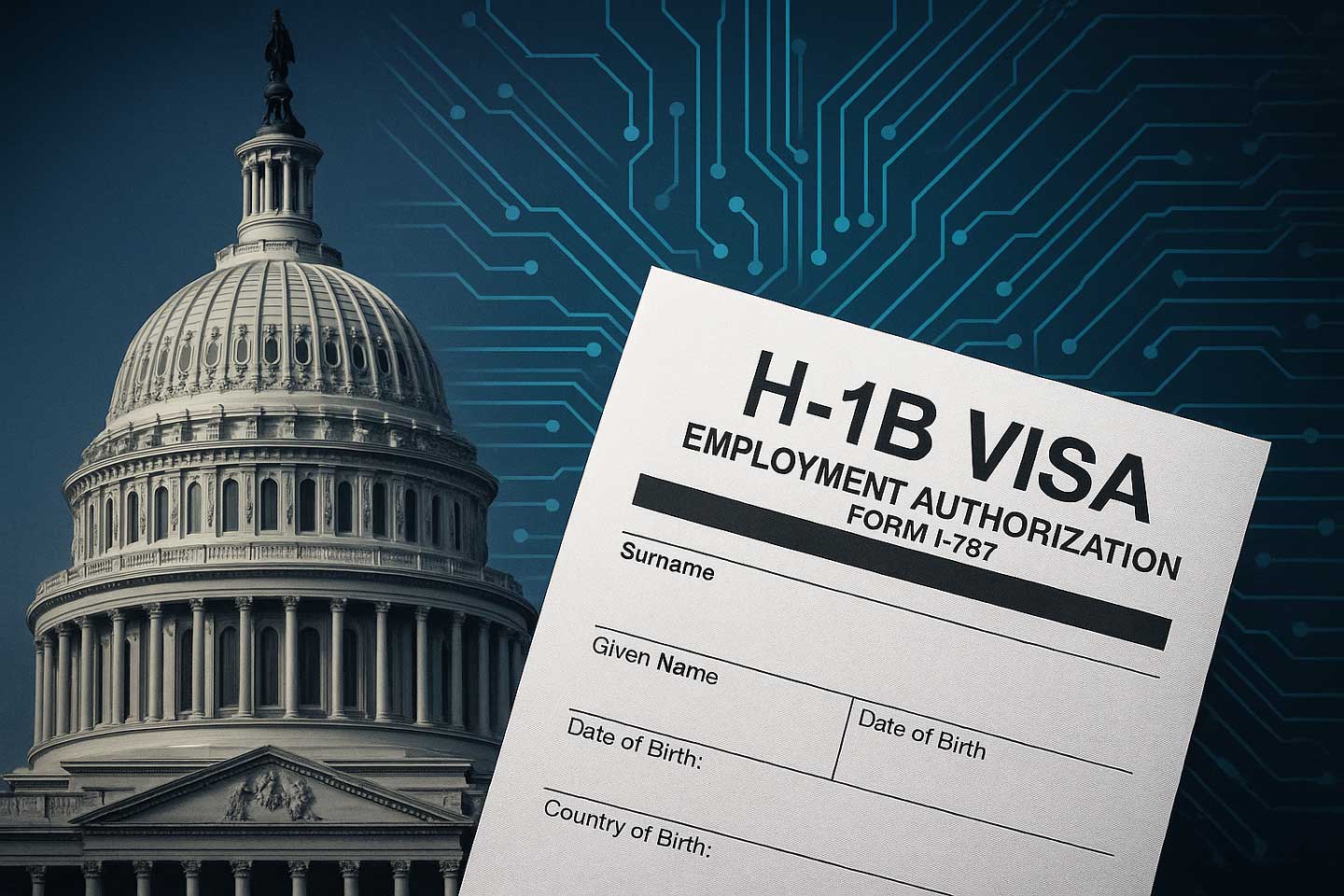
A new bill, the HIRE Act, recently reintroduced in Congress, would raise the annual cap on H-1B visas from the long-standing 65,000 to 130,000 — effectively doubling the number of high-skilled foreign workers who can enter the U.S. each year.
Backers say this expansion is essential to keep American industries — especially tech, research, and specialized STEM sectors — globally competitive, citing persistent workforce shortages.
At a time when many companies struggle to fill roles in software development, engineering, and advanced research, this proposed increase could become a major lever for growth — if it passes.
Why This Matters — For Talent, Tech & Broader Economy
Boost for Tech, Innovation & STEM Sectors
Doubling the H-1B cap means many more skilled engineers, developers, and researchers can legally work in the U.S. That could accelerate hiring — especially for industries like cloud computing, AI, biotech, semiconductors, and advanced manufacturing.
Firms that have been short-staffed or struggling to recruit domestic talent may finally get relief. This could lead to faster product development, more innovation cycles, and stronger competitive positioning for U.S. tech companies globally.
Potential Impact on Labor Market & Wages
With more foreign workers entering the labor pool, wage competition could intensify — especially for entry- to mid-level roles. That could exert downward pressure on wage growth in certain sectors, or shift hiring strategies toward more specialized or higher-skill roles.
Some U.S. workers might view it as increased competition; others in high-specialty jobs may benefit from improved team composition, efficiency gains, and more diverse skill sets.
Broader Productivity & Growth Implications
If implemented, expanded visas could help U.S. companies scale more rapidly. For capital-intensive, knowledge-driven sectors — think cloud infrastructure, data centers, AI labs, biotech research — this could translate into faster growth, higher productivity, and potentially improved profit margins.
That may ripple outward — benefiting not only tech giants but also suppliers, subcontractors, hardware firms, real-estate (office/industrial), and global supply chains tied to high-skill industries.
What This Could Mean for the Markets & Options Flow
- Tech-heavy & high-growth names — These companies may benefit first as they fill technical roles quickly. Expect increased investor interest, call-heavy flow, and potentially elevated valuations for firms that effectively leverage the talent boost.
- Enterprise software, cloud, AI infrastructure, and semiconductor firms — They could experience upticks as demand for skilled labor to build and maintain next-gen systems rises.
- Industries sensitive to wage pressure or volume labor — Companies relying heavily on cheaper labor or mass-hiring may see mixed effects; some may cut costs by outsourcing internationally, while others may face hiring bottlenecks domestically.
- Long-term “innovation play” tickers — As productivity and R&D capacity expand, firms investing in long-term projects may attract patient capital; this could lead to strategic call-option accumulation and institutional accumulation.
Using a platform like Unusual Whales — monitoring options flow, gamma exposure (GEX), and historical patterns — may help spot which tickers are already pricing in this potential labor-market shift.
Sectors & Stocks to Watch Under This Shift
- Big-cap tech & cloud infrastructure — firms needing engineers, developers, and cloud operators.
- AI / machine-learning / data-center-heavy companies — jobs in these areas often require specialized skills, which H-1B workers could fill.
- Biotech / pharma / research-heavy firms — R&D teams often rely on global talent pools; expanded visas may accelerate hiring and development cycles.
- Enterprise-software / SaaS companies — scaling up engineering and support orgs quickly becomes easier with more access to talent.
- Industrial / manufacturing / semiconductor firms — high-skill labor demands may drive growth or expansion plans.
If you track firms in these sectors on Unusual Whales — especially with focus on options activity — you may see early indicators (call flow, open interest, skew) reflecting investor optimism around talent-driven growth.
Do you want to see how to make more plays? Do you want to find gains yourself?
Unusual Whales helps you find market opportunities through our market tide, historical options flow, GEX, and much, much more.
Create a free Unusual Whales account to start conquering the market with Unusual Whales.
What’s Next — Why This Could Push the U.S. Back into “Talent-First” Growth Mode
If the HIRE Act passes, the U.S. could see a meaningful infusion of global talent — reducing hiring constraints, speeding up innovation cycles, and potentially boosting productivity across tech- and knowledge-driven industries.
For investors and traders, that may mark the beginning of a structural shift: talent becomes a lever of growth, making companies with strong technical hiring momentum — and the ones that actually deliver — more attractive.