
Sam Altman Says RAM in Personal Computers Is a Waste of the World's Limited DRAM Supply
"Quite terrible" for PCs to hold DRAM
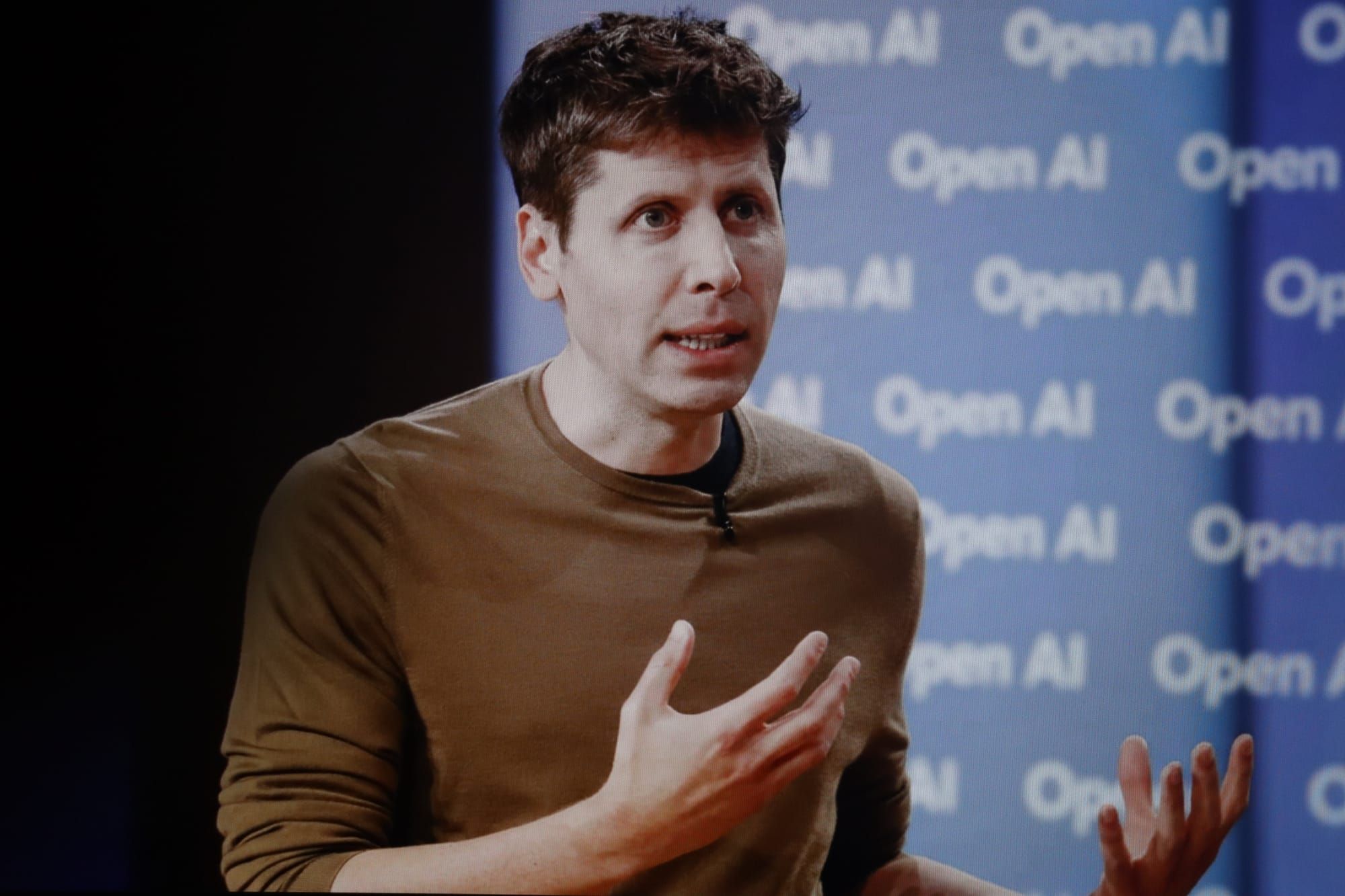
OpenAI CEO Sam Altman says the RAM inside personal computers is an inefficient use of the world's limited DRAM supply, per Tom's Hardware.
Altman made the remarks on Cheeky Pint, the Stripe podcast hosted by John Collison, in an episode released October 29. The comments came at about the 29-minute mark, during a discussion of supply chain shortages.
"From a global allocation perspective, actually, it's quite terrible to have everybody have a bunch of the world's limited supply of DRAM sitting in their own computer and being used 5% of the time," Altman said, per Tom's Hardware.
"You want maximum utilization in the cloud if you're trying to deal with this very supply-constrained environment," he said. "And somehow many people's intuition is the opposite of that."
The local AI debate
The argument grew out of a question about local inference, the practice of running AI models on a user's own machine instead of in a data center.
"A lot of people want local inference," Altman said, per The Verge. "And somehow, they assume that the problem is solved now because we are going to have open-source models, we're going to be able to run them on our computers, and so we're not going to need all the stuff in the data center."
Altman also said the market is failing on memory supply, describing the invisible hand as failing in exactly this area, per the episode transcript coverage.
Altman argued that memory sitting in personal computers is used only about 5% of the time, while data centers could run the same chips around the clock.
Why the comment drew pushback
Tom's Hardware noted that the argument aligns with OpenAI's business model. The company offers some open-weight models, but its main products are closed-source models that run in data centers and are sold through subscriptions and cloud services.
If users can run capable models at home, Tom's Hardware noted, they have less reason to pay for flagship cloud models.
The 5% utilization figure was Altman's own characterization, and none of the coverage cited a measurement behind it. Critics also noted that home PCs use RAM for gaming, everyday applications and multitasking, not only for local AI.
A supply crunch built by AI demand
The remarks land in the middle of a genuine memory shortage. Memory makers including Samsung and SK hynix have signed long-term deals with cloud operators that reserve much of the world's RAM output over the next few years, per The Verge.
OpenAI is part of that demand. On October 1, 2025, the company announced agreements with Samsung and SK hynix to increase the supply of advanced memory chips for its data center buildout.
Manufacturers are prioritizing data center orders, which is putting pressure on the consumer market and contributing to higher prices for laptops, phones and other devices, per Notebookcheck.
Memory stocks to watch
Memory pricing and allocation headlines run straight through MU, the main U.S.-listed DRAM maker, which has been a prime beneficiary of data center demand.
The broader AI hardware chain is in play as well, including NVDA and AMD, while PC makers such as HPQ and DELL sit on the cost side of higher memory prices.
Traders can follow options flow in these names on Unusual Whales as the DRAM shortage story develops.
Want to see how traders are positioning in memory and AI hardware names? Sign up for a free Unusual Whales account here: https://unusualwhales.com/login?ref=blubber