
Sam Altman Says Gen Z Could Have High-Paying Space Jobs — Future of Work & AI Transformation
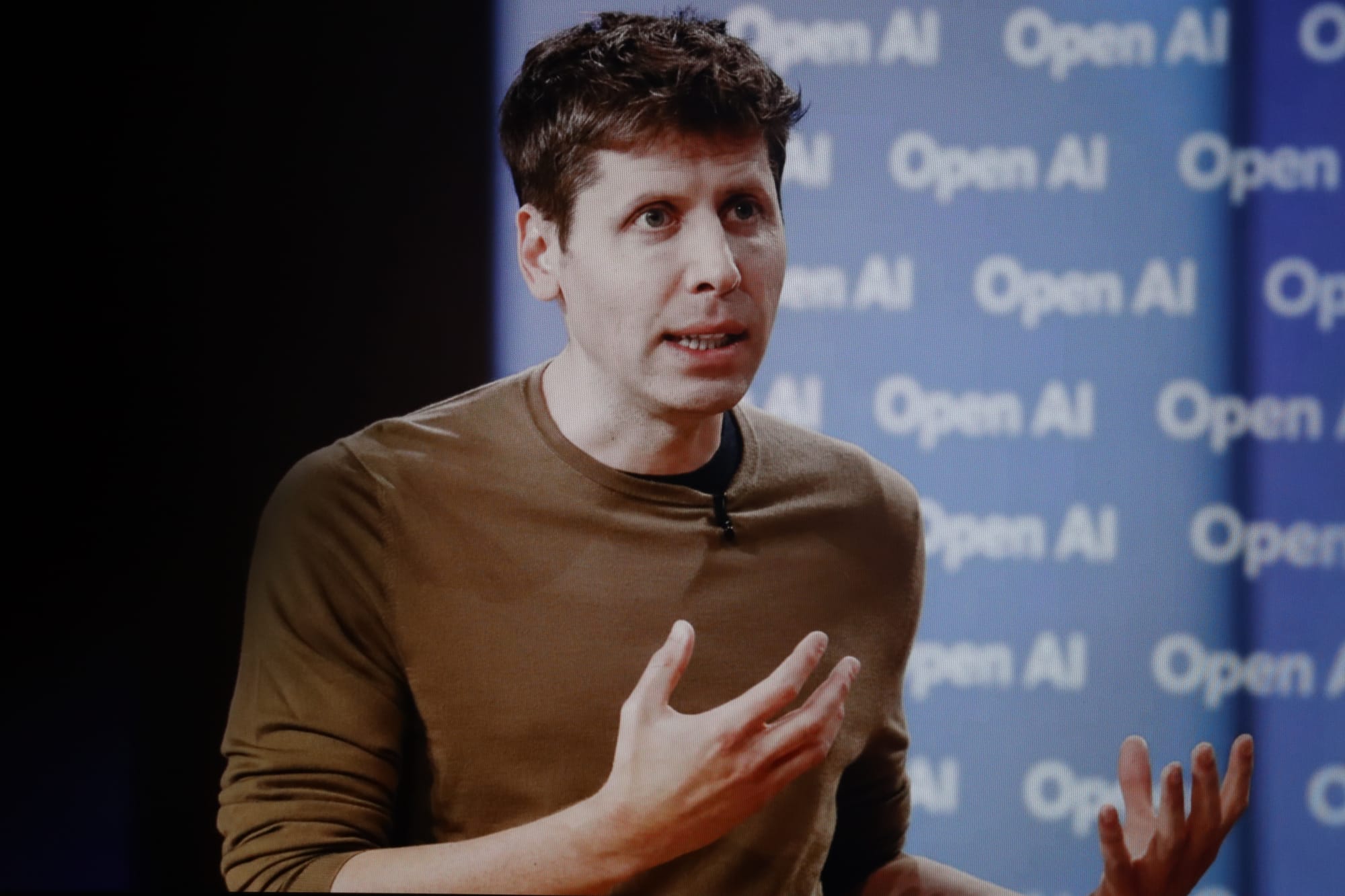
Sam Altman Predicts High Wages and Space Jobs for Generation Z as AI Reshapes Work
OpenAI CEO Sam Altman has shared an optimistic but unconventional view of the future of work — suggesting that Generation Z and future graduates may land entirely new, highly paid careers involving space exploration as artificial intelligence transforms labor markets. This prediction frames AI not only as a disruptive force but also as a creator of new, high-earning opportunities that barely exist today.
Altman’s comments were made in a recent interview with video journalist Cleo Abram, where he outlined how AI could radically change both the type and location of jobs over the coming decade.
A New Vision for Work in 2035
According to Altman, the next decade could see college graduates entering roles that seem like science fiction today, including positions tied to space exploration and the solar system. He suggested that by around 2035, a graduate might leave Earth on a mission or work in industries linked to space travel, and that these roles could be “super well-paid” and exceptionally interesting.
Altman even remarked that if he were graduating now, he’d consider today’s moment the most exciting time in history to start a career.
Why Altman Thinks This Future Is Possible
Altman’s predictions are grounded in the idea that AI will eliminate many traditional jobs — especially routine, low-skill tasks — while simultaneously opening entirely new categories of work. As machine intelligence augments human capability, new sectors and industries could emerge that we can barely imagine today.
Here’s what underlies this view:
- AI-Driven Innovation: Advanced AI systems may power breakthroughs in engineering, logistics, robotics, and design that are essential to space missions and other frontier industries.
- Demand for New Skills: Emerging fields like space tourism, off-Earth infrastructure, and autonomous exploration could require skills that combine AI expertise with aerospace engineering and systems design.
- High Salary Potential: Even today, aerospace engineers and related technologists earn high salaries (often over six figures), and future space-centric roles could command even greater compensation.
While Altman’s space-centric prediction is striking, he and other tech leaders like Bill Gates and Nvidia CEO Jensen Huang also acknowledge that the road ahead includes real disruption and will require broad adaptation.
Broader Future-of-Work Context
Altman’s outlook fits into a larger dialogue about the evolution of work in the age of AI:
AI and Job Displacement:
Experts agree that AI will automate many functions previously done by humans, particularly in knowledge work and routine tasks. This has raised concerns about job displacement, especially for early-career workers — including those in Generation Z.
New Job Categories:
At the same time, AI is expected to create entirely new job categories that don’t yet exist. These may include roles in AI oversight, autonomous systems management, and domains like space exploration or extraterrestrial resource development — areas that are currently on the fringe of mainstream labor markets.
Innovation-Driven Careers:
Some CEOs and futurists argue that as AI handles more routine work, human roles will trend toward creative, strategic, and frontier-pushing fields — including entrepreneurship, space tech, and complex systems design.
What This Means for Markets and Careers
Tech Sector & AI Leaders
Altman’s vision underscores the importance of AI infrastructure and innovation as foundational drivers of future industries.
AI and tech equities to watch on Unusual Whales:
- https://unusualwhales.com/stock/msft/overview — Microsoft
- https://unusualwhales.com/stock/nvidia/overview — Nvidia
- https://unusualwhales.com/stock/google/overview — Alphabet
Aerospace & Space Economy
The idea of space-oriented jobs ties directly into the space economy, which includes satellite deployment, lunar and Mars missions, and commercial space services.
Space and aerospace names to follow:
- https://unusualwhales.com/stock/spce/overview — Virgin Galactic
- https://unusualwhales.com/stock/ldr/overview — Landed (Space Infrastructure)
- https://unusualwhales.com/stock/ba/overview — Boeing
Investors may track options flow, implied volatility, and sector rotation around these industries as AI and space innovations continue to accelerate.
Verified Summary
- Sam Altman, CEO of OpenAI, predicts that AI will fundamentally reshape the future of work for young generations, creating new, high-paying job categories that could include space exploration roles by around 2035.
- Altman’s comments reflect broader trends about AI-driven labor market transformations and ambitious space-related career possibilities.
Bottom Line
While speculative, Altman’s vision highlights a dual reality of the AI future:
- Short-term disruption as traditional roles are automated away
- Long-term creation of new industries, potentially reaching beyond Earth
For Generation Z and beyond, succeeding in such a future may hinge on adapting to AI, developing cross-disciplinary skills, and embracing novel industries — from deep tech to space-related innovation.
CTA: Track Tech Trends and Market Flow With Unusual Whales
To monitor how future-of-work developments and AI innovation affect options flow, sector rotation, and volatility signals, use Unusual Whales analytics.
Sign up for a free account:
https://unusualwhales.com/signup?utm_source=theblubber