
Sanders Slams Trump’s Self-Named Buildings — Political Signal & Market Sentiment
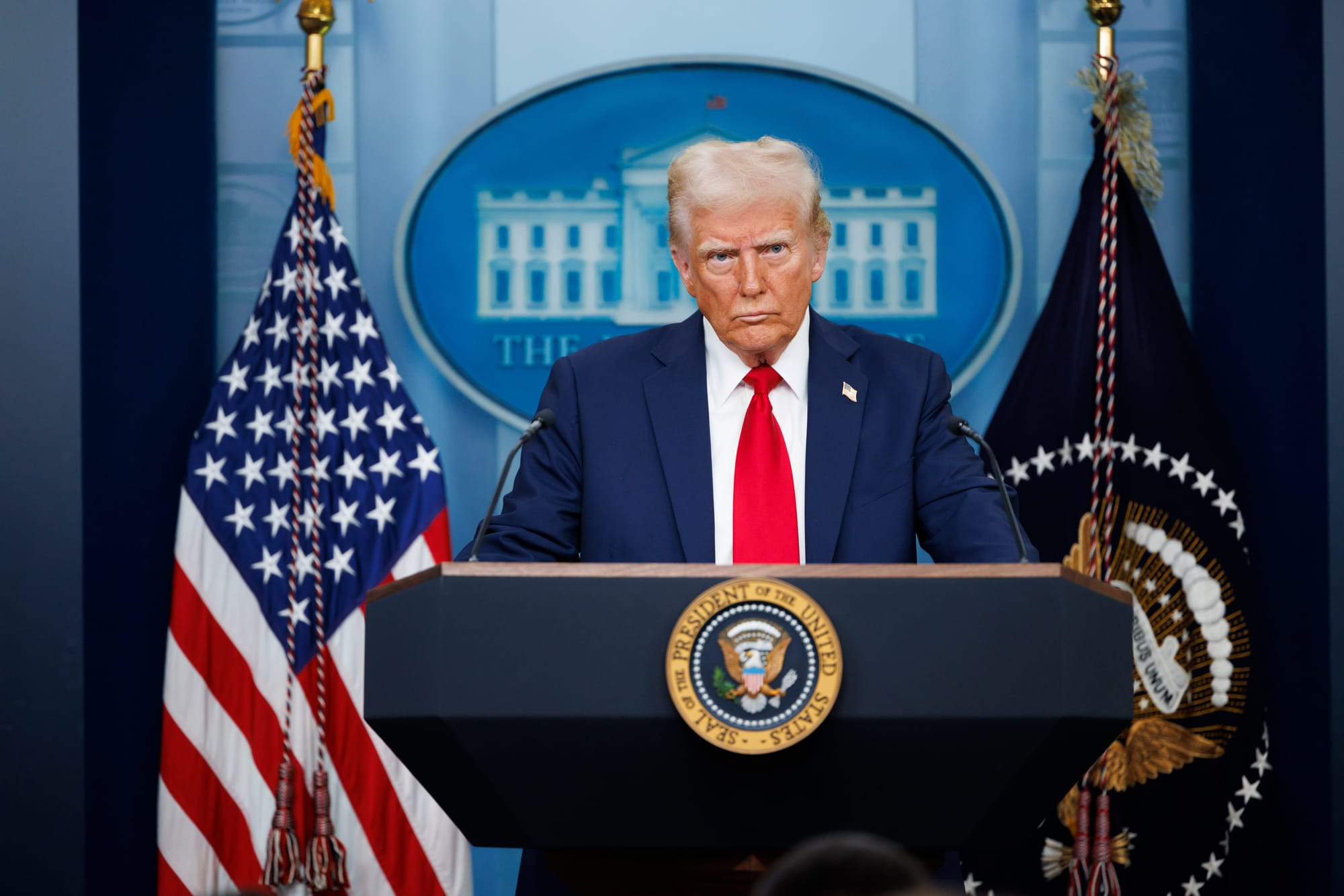
Sanders Targets Trump’s Federal Renaming Spree
Senator Bernie Sanders has taken aim at President Donald Trump’s pattern of placing his name on federal buildings and institutions, calling it “arrogant,” unconstitutional, and part of a broader attempt to amass power. In response, Sanders joined colleagues to introduce legislation that would bar sitting presidents from naming or renaming federal buildings after themselves.
The bill — dubbed the Stop Executive Renaming for Vanity and Ego (SERVE) Act — would make it illegal for any current president to attach their name to federal assets, and retroactively restore names on places like the Kennedy Center and the U.S. Institute of Peace.
Sanders and co-sponsors argue that personal branding of government infrastructure damages democratic norms and wastes federal dollars on what they call vanity projects rather than pressing economic priorities.
The Broader Political Narrative
Critics of the renaming efforts say this goes beyond simple branding — they see it as part of a larger trend toward political self-aggrandizement and eroding institutional norms. Some opponents have linked this behavior to wider concerns about political risk and governance credibility.
From a markets perspective, political narratives that signal institutional stress or polarization tend to influence risk sentiment, often before economic data or corporate fundamentals reflect those pressures. This dynamic can show up in options markets and volatility pricing as traders hedge uncertainty.
Do you want to see how to make more plays? Do you want to find gains yourself?
Unusual Whales helps you find market opportunities through our market tide, historical options flow, GEX, and much, much more.
Create a free account here to start conquering the market with Unusual Whales.
https://unusualwhales.com/login?ref=blubber
Why Political Risk Matters for Markets
On its own, a debate over naming rights may seem apolitical to markets. But when the conversation ties into broader governance concerns, investors start to pay attention to:
- confidence in institutional stability
- policy predictability
- risk premium across asset classes
Political headlines can tip sentiment — particularly when they bleed into perceptions of executive influence and governance norms. When confidence erodes, even modestly, traders often reposition into hedges and safer sectors before equities fully repricing.
This type of narrative can subtly pressure:
- consumer discretionary demand
- risk sentiment in small caps
- implied volatility across indexes
Market Implications & Sentiment Barometers
Political uncertainty — even symbolic — tends to show up first in risk metrics like volatility and options skew, before it visibly shifts equity prices. Traders watching sentiment flows may notice:
- Rising put demand ahead of key political events
- Volatility expansion in cyclical sectors
- Rotation into “safe haven” proxies when governance risk headlines mount
Unusual Whales tools can help spot these shifts in historical options flow and GEX trends before they’re priced into equities.
Stocks & Sectors Traders Should Watch
Although this topic is political, political risk often bleeds into markets through broad sentiment, consumer behavior, and risk appetite — which then shows in specific names and sectors.
Broad Market & Risk Gauges
- Nvidia ($NVDA) — macro beta and volatility indicator
https://unusualwhales.com/stock/nvda/overview - Amazon ($AMZN) — consumer spending and confidence proxy
https://unusualwhales.com/stock/amzn/overview
These names often reflect risk-on / risk-off shifts quickly in options flow.
Consumer & Cyclical Exposure
- Ford ($F) — U.S. auto sector barometer
https://unusualwhales.com/stock/f/overview - General Motors ($GM) — another cyclical industrial proxy
https://unusualwhales.com/stock/gm/overview
Cyclical names can be sensitive to sentiment changes when political risk narratives influence consumer confidence.
Options Flow Themes to Watch
When political narratives gain traction, especially those tied to governance norms or institutional stability, derivatives markets often react first:
1. Put/Call Skew Expansion
Risk off sentiment often shows as increased demand for puts relative to calls, especially in broad indexes and high beta names.
2. Volatility Term Structure Changes
Front-end and mid-term implied volatility may rise as traders hedge ahead of key political dates or legislative votes.
3. Sector Rotation Flow
Shifts may emerge between growth and defensive plays, visible in unusual flow across sectors on Unusual Whales.
These are early signals that precede broad equity repricing.
Broader Narrative & Timing
The SERVE Act and associated debate come at a time of heightened political engagement and scrutiny of federal governance approaches. While the policy impact of banning building renaming is narrow, the broader risk narrative around political polarization and institutional norms has implications for sentiment.
In markets, perception often moves before fundamentals do — and options markets price that perception early.
Final Thoughts
A seemingly symbolic political clash over naming federal buildings can have real implications for markets.
Why? Because sentiment drives risk appetite, and risk appetite drives where capital flows — from equities to volatility hedges.
When headlines feed institutional uncertainty or governance risk, traders adjust positions early. Options market signals and volatility shifts often precede major equity moves.
Call to Action
Want to track market sentiment, risk premiums, and flow before price reacts?
Unusual Whales gives you historical options data, implied volatility analytics, GEX insights, and real-time signals — tools traders use to anticipate shifts ahead of the crowd.
Create your free Unusual Whales account and start uncovering opportunities:
https://unusualwhales.com/login?ref=blubber