
Supreme Court Lets Ruling Stand: AI-Generated Art Cannot Be Copyrighted
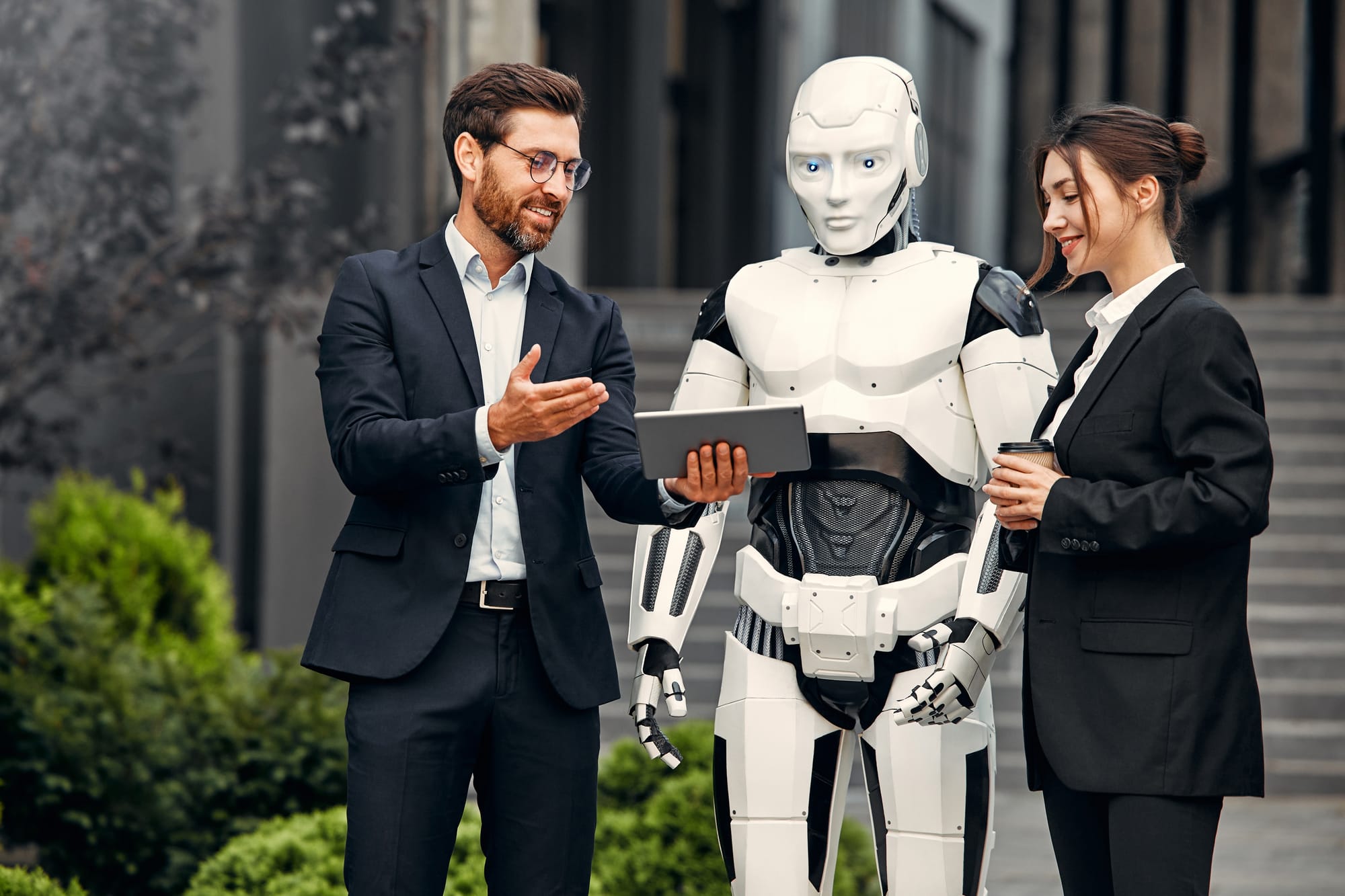
AI-Generated Artwork Not Eligible for Copyright After Supreme Court Decision
The U.S. Supreme Court has declined to review an appeal involving whether artwork created entirely by artificial intelligence can be copyrighted.
By refusing the case, the Court left intact earlier rulings that copyright protection requires human authorship, meaning works produced solely by AI cannot be registered under U.S. copyright law.
The decision effectively ends a years-long legal fight over whether AI systems can be considered creators under existing intellectual-property rules.
The Case Behind the Decision
The dispute was brought by computer scientist Stephen Thaler, who attempted to copyright an image titled A Recent Entrance to Paradise.
According to Thaler, the artwork was generated autonomously by an AI system he developed called DABUS (also described as the “Creativity Machine”).
However:
- The U.S. Copyright Office rejected the application, stating the work lacked a human author.
- A federal district court upheld the rejection in 2023.
- The U.S. Court of Appeals reaffirmed the ruling in 2025.
When the Supreme Court declined to hear the appeal, those lower-court rulings became final.
Human Authorship Remains a “Bedrock Requirement”
Courts repeatedly emphasized a core principle of copyright law: creative works must originate from humans.
In earlier rulings tied to the case, judges noted that human authorship is a “bedrock requirement” for copyright protection.
Because the artwork in question was generated by AI alone — with no human listed as the author — it failed to meet that requirement.
What the Ruling Means for AI Art
The Supreme Court’s refusal to review the case does not ban AI-assisted art, but it clarifies how U.S. copyright law treats it:
AI-only creations
- Not eligible for copyright protection.
Human-AI collaborations
- May qualify for copyright if human creativity meaningfully contributes to the final work.
The U.S. Copyright Office has already issued guidance indicating that works generated entirely from AI prompts without substantial human creative input are generally not copyrightable.
Broader Implications for Creative Industries
The decision has implications across multiple industries using generative AI:
- Digital art and illustration
- Advertising and marketing
- Game development
- Film and visual effects
Without copyright protection, purely AI-generated works could theoretically be copied or reused freely, unless other legal protections apply.
Supporters of Thaler’s appeal argued the ruling could slow innovation in AI creativity, while critics say it preserves a long-standing legal principle that copyright protects human creativity.
Bottom Line
The Supreme Court’s refusal to hear the case means U.S. law remains clear:
If a human didn’t create it, it can’t be copyrighted.
For now, AI remains a powerful tool for creators — but not a legally recognized author.