
Trump Admin Cracks Down on Foreign Graduates Staying in U.S. — Market & Options Impact
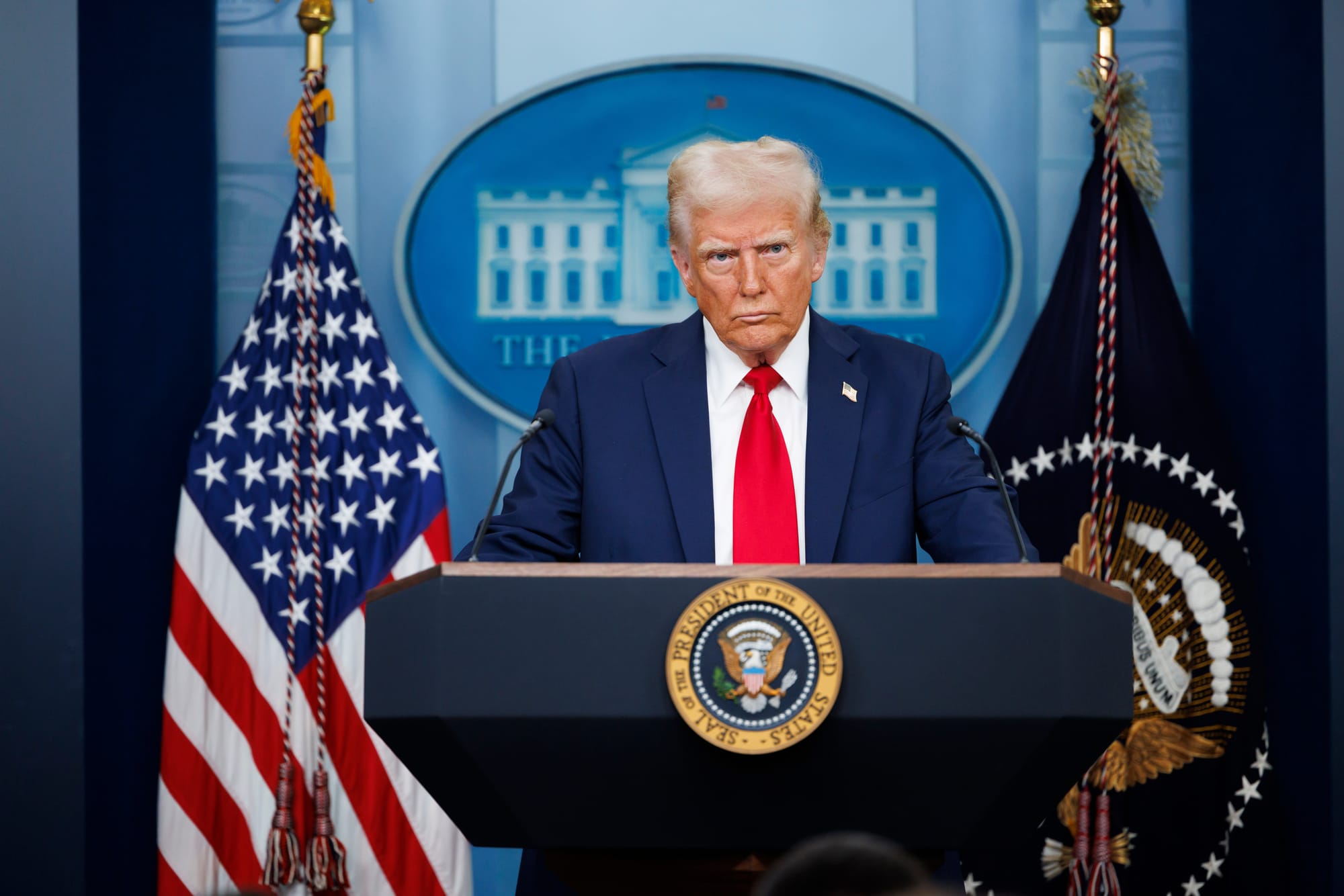
Trump Administration Says It’s Cracking Down on Foreign Graduates Staying in the U.S.
The Trump administration announced a new enforcement push targeting foreign students and recent graduates who remain in the United States after their visas expire. Officials framed the move as part of broader efforts to tighten immigration policies and protect U.S. labor markets, especially for domestic graduates and workers.
This directive expands scrutiny of F-1 student visa holders and OPT (Optional Practical Training) participants, signaling that individuals who fall out of status or stay beyond authorized periods will face stricter enforcement, removal proceedings, and limitations on future admissibility.
Divider
Do you want to see how to make more plays? Do you want to find gains yourself?
Unusual Whales helps you find market opportunities through our market tide, historical options flow, GEX, and much, much more.
Create a free account here to start conquering the market with Unusual Whales.
https://unusualwhales.com/login?ref=blubber
Why This Policy Shift Matters to Markets
Although it’s an immigration enforcement initiative, this crackdown intersects with labor economics, corporate staffing models, and market sentiment, with potential impacts across several economic vectors:
1. Labor Market Tightness & Wage Pressures
Tech firms, research labs, and manufacturing hubs — which rely on foreign STEM talent — may face hiring disruptions if high-skilled graduates lose their legal work authorization. That can influence:
- Wage inflation in tech and professional services
- Project timelines for R&D and product development
- Earnings forecasts for labor-intensive industries
2. Consumer Demand & Household Formation
Visa holders contribute to local economies as consumers of housing, goods, and services. Restricting employment eligibility may reduce disposable income and consumer spending in certain regions — movements markets can price in via sentiment shifts.
3. Tech Innovation & Global Competitiveness
U.S. leadership in AI, semiconductors, biotech, and advanced R&D relies heavily on foreign STEM graduates. A policy that narrows that labor pool — or creates uncertainty — could be priced into valuations of tech growth equities as risk premia.
4. Risk Premiums & Volatility
Policy shifts of this nature tend to elevate political risk premiums and widen implied volatility — especially in names tied to tech innovation or labor-intensive sectors.
Options markets often reflect these risk repricing dynamics before cash price moves become evident.
Stocks & Sectors to Watch on Unusual Whales
Here’s how this immigration crackdown narrative might echo through market sectors and options flow:
Tech & Innovation Leaders
Names reliant on high-skilled labor — and often correlated with foreign graduate hiring — may show skew shifts if earnings paths or hiring narratives change:
- Microsoft ($MSFT) — cloud + enterprise ecosystem
https://unusualwhales.com/stock/msft/overview - Alphabet ($GOOGL) — AI and research hub
https://unusualwhales.com/stock/googl/overview - Amazon ($AMZN) — tech + logistics + AWS staffing
https://unusualwhales.com/stock/amzn/overview
Foreign labor policy risk can show up as volatility expansions and increasing put demand ahead of earnings or macro prints.
Consumer & Housing Activity Indicators
Since tightening labor policy affects household formation and spending:
- Walmart ($WMT) — consumer demand barometer
https://unusualwhales.com/stock/wmt/overview - Home Depot ($HD) — housing + discretionary spending proxy
https://unusualwhales.com/stock/hd/overview
Weak labor confidence often leads to defensive positioning visible in options flow.
Financials & Credit Risk Monitors
- Bank of America ($BAC) — consumer credit exposure
https://unusualwhales.com/stock/bac/overview - JPMorgan Chase ($JPM) — broader credit and macro sentiment barometer
https://unusualwhales.com/stock/jpm/overview
Labor tightening and policy shifts can influence credit spreads and risk appetite, reflected early in derivatives markets.
Options Flow Themes to Monitor
Policy-driven uncertainty — especially around labor and employment — frequently appears first in options behavior before equities adjust:
1. Put Skew Expansion
Protective put demand in tech and consumer names often increases amid rising political or labor policy risk.
2. Volatility Term Structure Shifts
Implied volatility curves steepen as traders price uncertainty across months, especially ahead of macro data like jobs reports and GDP prints.
3. Hedging & Collar Activity
Structures such as collars and diagonal spreads can surface as traders bracket execution risk around calendar catalysts or policy announcements.
Unusual Whales historical flow tools can help you track these patterns earlier than broad market moves.
Broader Economic & Policy Signals
This enforcement push is part of a pattern of tighter immigration and labor-market policy under the administration, which also includes:
- Increased visa fees and processing scrutiny
- Suspensions or restrictions on certain visa categories
- Public debate over prioritizing domestic employment
From a macro lens, any policy that tightens labor inflows — especially in high-skilled segments — can slow productivity growth and weigh on long-term potential output, a narrative that markets discount through higher risk premia and volatility expectations.
Final Thoughts
Although immigration enforcement is often discussed in political terms, its economic ripple effects matter for markets and traders:
- Changes to labor supply influence corporate cost structures and earnings paths
- Labor sentiment feeds into consumer demand models
- Policy uncertainty is priced early in derivatives markets
Understanding how options markets price risk and sentiment changes ahead of equity price action can give you an edge when policy headlines like this break.
Call to Action
Want to track market reactions before price reflects them?
Unusual Whales gives you real-time and historical options data, implied volatility analytics, GEX indicators, and macro tide signals — the tools traders use to anticipate where markets go next.
Create your free Unusual Whales account and start uncovering opportunities:
https://unusualwhales.com/login?ref=blubber