
Trump Allies Circulate Draft Executive Order to Expand Control Over U.S. Elections
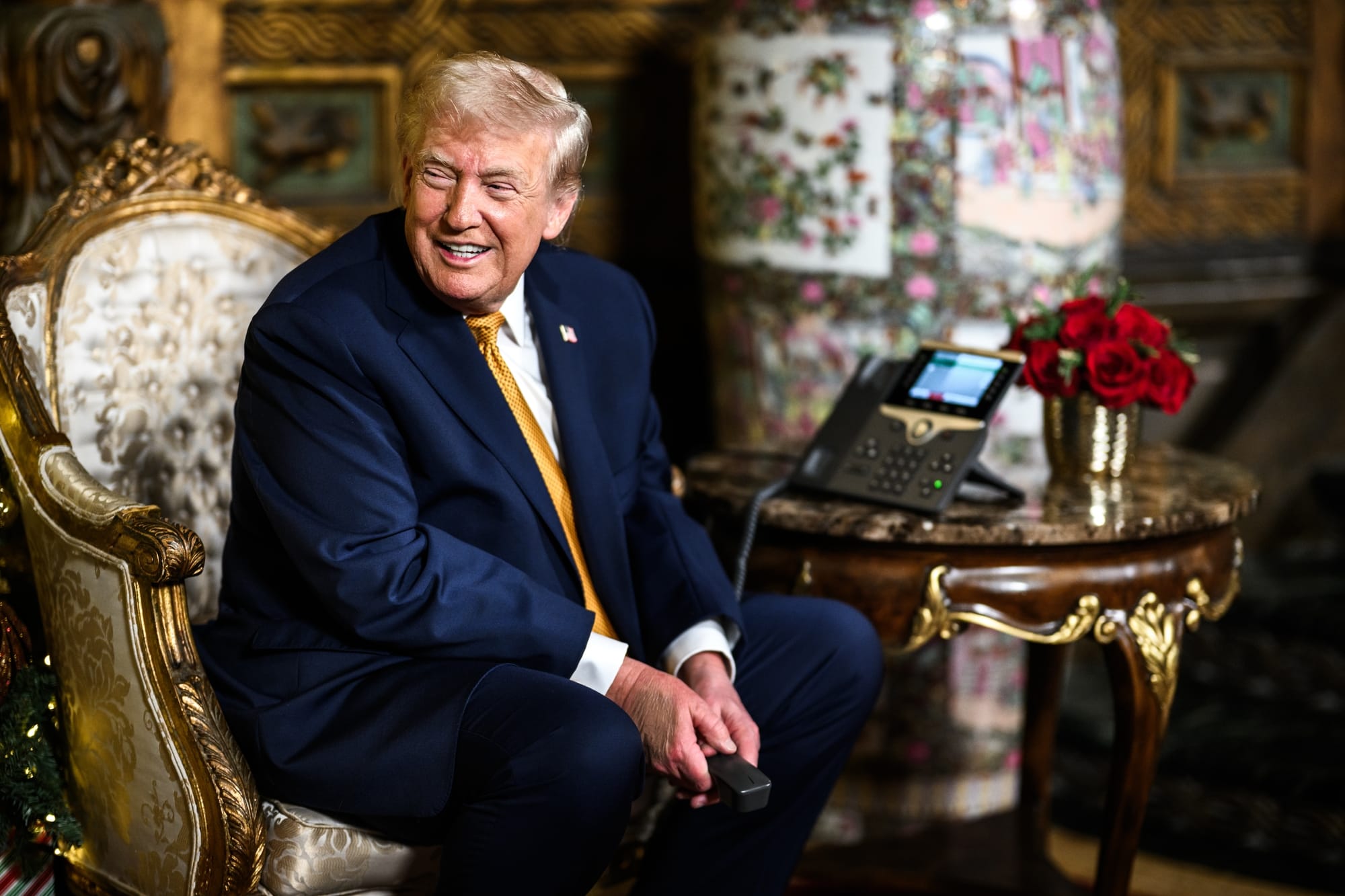
Draft Executive Order Could Give Trump Extraordinary Power Over Elections
Pro-Trump activists and lawyers are circulating a draft executive order aimed at allowing the president to declare a national emergency over U.S. elections — potentially giving expanded federal authority over voting procedures and ballot systems. This draft is reportedly shared with some White House allies and has triggered widespread concern among voting rights advocates.
The draft plan came to light as part of broader political maneuvering ahead of the 2026 midterms. Its circulation has fueled debate over the balance of power between federal and state control of elections.
What the Draft Order Would Do
According to multiple reports, the proposed executive order would:
- Claim a national emergency over alleged election interference — including unfounded claims of foreign influence.
- Potentially shift federal authority over elections from states to the executive branch.
- Mandate voter ID requirements, hand-counted ballots, or federal oversight of voting systems under the emergency declaration.
While no official executive order has been issued yet, the draft has circulated widely among Trump supporters and pro-Trump legal circles.
Why It’s Controversial
Legal and voting rights organizations argue that such an order would violate the Constitution and federal law.
The League of Women Voters says any executive action that suppresses voting or overrides state authority would be illegal and unconstitutional. They’ve pledged legal challenges if such an order is issued.
Critics also warn that using emergency powers to change voting rules sets a dangerous precedent — potentially undermining trust in elections and shifting power away from locally administered processes.
Proponents of the draft justification cite national security and alleged foreign interference, though there’s no credible evidence supporting claims that the 2020 or future elections were materially influenced by China or other foreign actors.
Political Context: Midterms and Power Struggles
This draft order is emerging as Republicans and Democrats continue to battle over election integrity narratives ahead of the 2026 midterm cycle.
Some Republicans are pushing for sweeping changes to voting laws and federal authority, while Democrats and voting rights advocates are sounding alarms that such moves could disenfranchise voters and erode democratic norms.
Legal scholars emphasize that elections are principally governed by state law, and federal executive action cannot simply override that framework without clear statutory authorization — which doesn’t currently exist.
Public Reaction and Legal Pushback
Voting rights groups and civil liberties organizations have already signaled readiness to go to court to block any such executive move.
The League of Women Voters has publicly stated it will challenge any action that undermines free and fair voting processes, arguing that election conduct is constitutionally protected and not subject to unilateral executive control.
Legal experts also warn that an overreach could trigger immediate injunctions and lengthy litigation — potentially tying up federal courts and diverting government attention away from other priorities.
What Comes Next
At this stage:
- The draft order has not been officially issued.
- It remains a proposal under discussion among pro-Trump legal and activist groups.
- Any attempt to push it into executive policy would likely face rapid legal challenge.
Political observers say this scenario underscores the continuing battle over election norms and institutional power in U.S. politics — a theme that will shape debates through the 2026 elections and beyond.