
Trump aims to end US reliance on Chinese critical minerals by January 2027
Trump signed an executive order pushing defense contractors off Chinese critical minerals by January 2027. Analysts warn US supply cannot meet the deadline, keeping domestic miners and defense primes in focus.
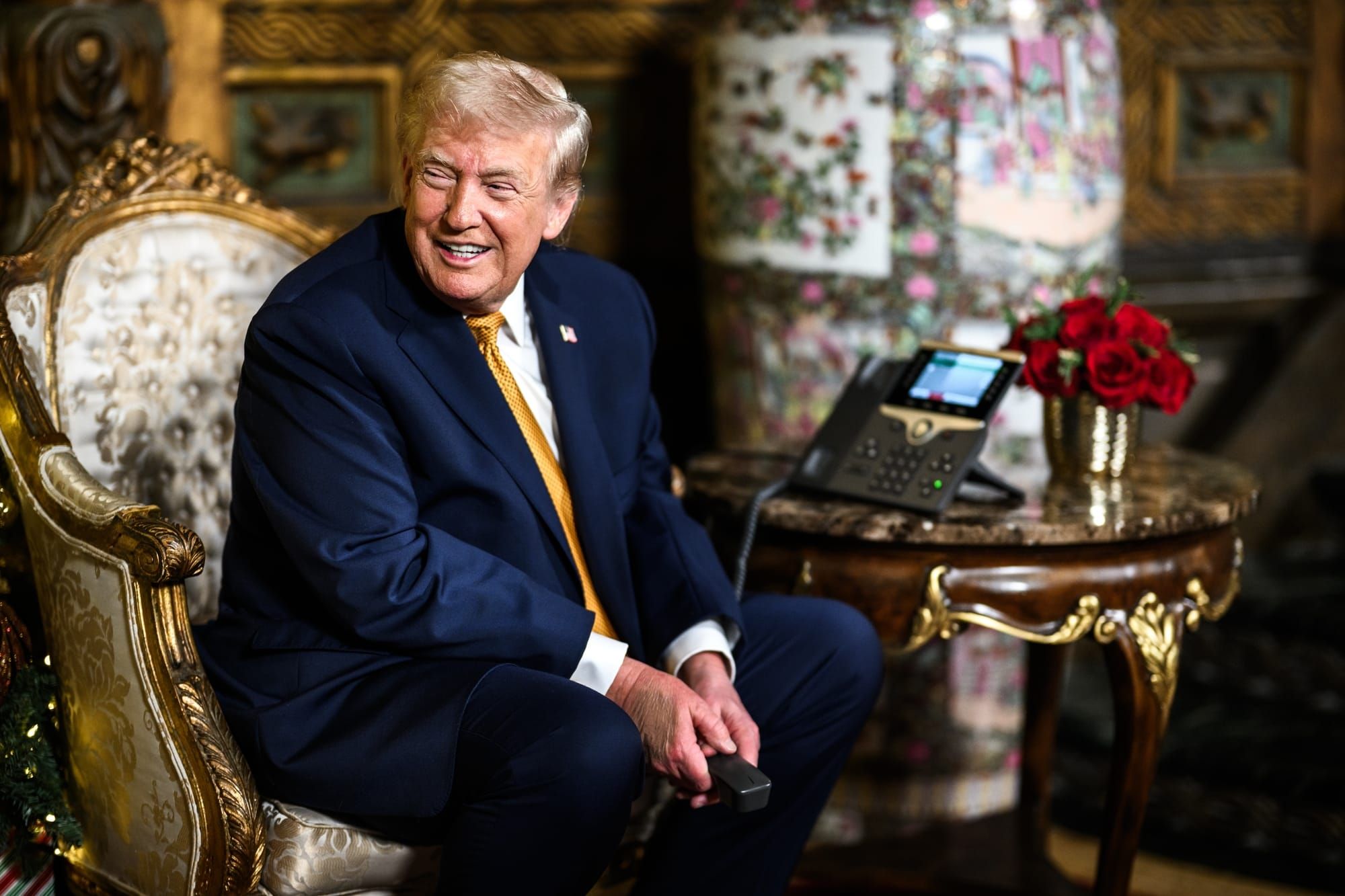
President Trump signed an executive order aimed at cutting US defense reliance on Chinese critical minerals, with a target date of January 2027. The move puts rare earths, magnets, tungsten, molybdenum, and tantalum squarely in the policy crosshairs, and reshapes the setup for domestic miners and processors.
What the order does
Trump on Monday signed an executive order aimed at reducing dependence on China for defence-related critical minerals, directing military contractors to shift away from Beijing-linked supply chains beginning in January 2027.
Without naming China, the order stresses the need to maintain US military dominance in an era of renewed great power competition, and says the United States must secure its supply chains against physical, cyber, and economic subversion. The Department of Defense relies heavily on critical minerals, including rare earths, for components used in its weapon systems.
The 2027 deadline problem
The defense industry and other manufacturers are now just over five months away from a January 1, 2027 deadline under federal regulations to stop purchasing rare earths, magnets, tungsten, molybdenum and tantalum from China, Russia, Iran or North Korea.
Washington has been trying to limit such imports for years but has routinely granted waivers because US supply cannot meet demand, and officials acknowledged in April they will need to initially buy minerals from anywhere in the world, including China.
Trump has made US mining and processing of critical minerals a national security priority since returning to office, pouring tens of billions of dollars into nearly 150 minerals companies to loosen China's grip on supply chains for weapons and other strategic products.
Do you want to see how to make more plays? Do you want to find gains yourself?
Unusual Whales helps you find market opportunities through our market tide, historical options flow, GEX, and much, much more.
Create a free account here to start conquering the market with Unusual Whales.
Why the deadline may slip
US firms have not produced tungsten since 2015 and tantalum since 1959. Guardian Metal Resources is working to open a US tungsten mine by 2028, while Lion Rock Resources is developing a tantalum mine in South Dakota, with no timeline for opening.
Analyst Chris Berry said the US industry has little chance of producing enough minerals to end waivers by January, adding it is going to take many more years to get the needed infrastructure in the ground to compete.
China grew to dominate the minerals-refining industry in the late 20th century and controls more than 80% of the sector today. Partnerships with South Korea, Japan and other allies may offer a bridge for manufacturers until US suppliers can ramp up operations.
Options market and stocks to watch
Watch for reactions across the domestic minerals and defense complex as contractors race to comply:
MP: MP Materials is financially supported by the Pentagon and spent years calibrating its solvent extraction processing equipment, making it a core beneficiary of any push to onshore rare earths refining.
LMT: Lockheed Martin sits at the center of the defense supply-chain question. Lockheed has given the Pentagon a list of minerals it would like stockpiled.
REEEF, UUUU, and TMC: Watch domestic-focused rare earth and critical minerals names for policy-driven flow as the January deadline approaches.
RTX and NOC: Other prime defense contractors face the same waiver-or-comply calculus, which could pressure margins if inputs have to be resourced at a premium.
For more on tariffs, defense policy, and supply-chain shifts, see additional coverage on Unusual Whales news.
Want more market intelligence? Create your free Unusual Whales account for options flow, market tide, GEX, and the full toolkit.