
Trump Proposes Cap on Credit Card Interest Rates at 10% — Verified Financial & Market Implications
Trump Calls for 10% Cap on Credit Card Interest Rates — Verified Summary & Market Signals
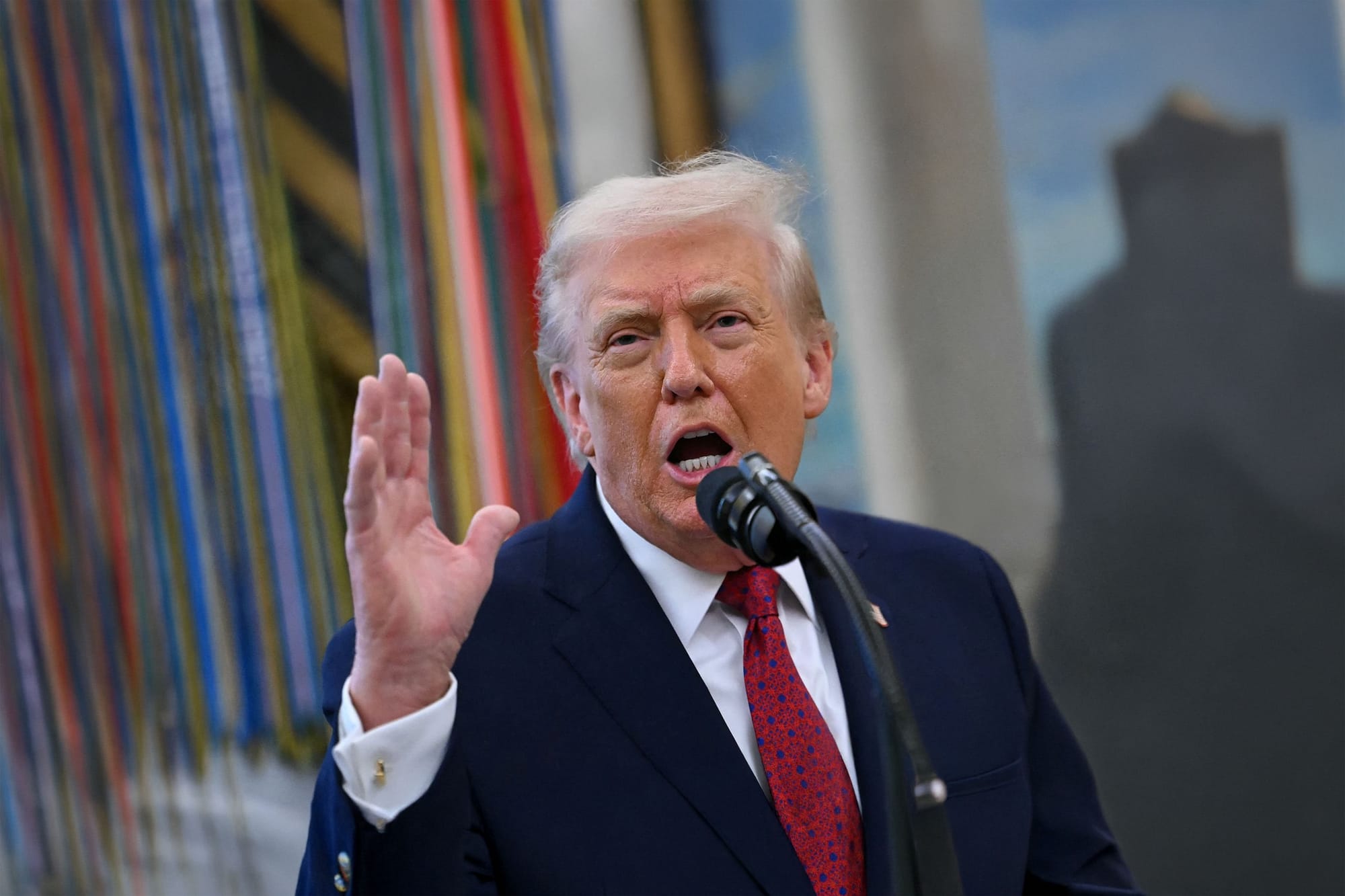
President Donald Trump has proposed a federal cap on credit card interest rates at 10 percent, with the policy slated to take effect January 20, 2026, if enacted. Speaking at a policy event, Trump framed the move as consumer protection aimed at reducing debt burdens for Americans who rely on credit cards. This proposal represents a significant shift in U.S. financial regulation and has notable implications for credit markets, lenders, and consumer spending.
What the Proposal Says
According to reporting:
- Trump pledged that credit card interest rates will be capped at 10 percent, down from average prime-based card rates that can range 18–30 percent or more today.
- He indicated the cap would take effect January 20, 2026 — the first day of his next presidential term, should he be inaugurated.
- Trump described the move as reducing financial strain on households and combating what he called “exorbitant interest rates.”
This is presented as part of a broader “economic fairness” agenda focused on household finances.
Why This Matters: Consumer Finance
Currently, U.S. credit card interest rates are mostly unregulated at the federal level, and issuers set rates based on borrower credit risk, often well above 20 percent APR for many consumers.
A federal cap at 10 percent — if lawfully enacted — would:
- Reduce costs of carried balances for cardholders
- Pressure credit card profit margins for lenders
- Potentially reduce credit availability for higher-risk borrowers
This proposal resembles interest rate caps seen in other countries or in special U.S. contexts (e.g., some state caps on payday or small-loan APRs), but has no modern historical precedent at the federal level for mainstream credit card markets.
Verified Context: Credit Markets Today
Current Credit Card Interest Reality
Credit card APRs in the U.S. vary widely:
- Prime-rated borrowers often see rates 15–20 percent
- Subprime borrowers may face 25 percent or more
- Rates rose notably in 2022–2025 alongside Federal Reserve tightening
Federal regulation of credit card interest rates historically peaked with the 1980 Supreme Court decision (Marquette National Bank v. First of Omaha Service Corp.), which limited states’ ability to cap out-of-state bank card rates. Since then, interest rates have largely been market-determined.
Any federal cap — especially as low as 10 percent — would represent a major regulatory intervention in credit markets.
Policy & Legal Questions
Implementing a 10 percent cap raises several unresolved questions:
1. How will enforcement work?
Federal regulators (e.g., Federal Reserve, CFPB) would need statutory authority — Congress must act, or a future executive order would need clear legal basis.
2. Will there be carve-outs?
Banks and credit unions may seek exemptions for certain products (e.g., secured cards), complicating uniform implementation.
3. Will credit tighten?
Lenders could reduce credit limits, tighten underwriting, or shift fees to offset lower interest revenue.
Finance scholars caution that mandatory rate caps can shift risk pricing and credit access rather than simply lowering costs for all borrowers.
Market Implications
This regulatory talk has implications for markets — especially financials and consumer credit providers.
Bank & Consumer Finance Stocks
Mandatory rate caps could compress net interest margins (NIM) and profitability for credit card units, affecting:
Financial sector equities to watch on Unusual Whales:
- https://unusualwhales.com/stock/jpm/overview — JPMorgan Chase
- https://unusualwhales.com/stock/c/overview — Citigroup
- https://unusualwhales.com/stock/wfc/overview — Wells Fargo
- https://unusualwhales.com/stock/bac/overview — Bank of America
Traders may see implied volatility expansions and unusual flow as lenders and investors price in regulatory risk.
Consumer Behavior & Spending
Lower borrowing costs can stimulate consumer discretionary spending, which could aid:
- Retailers
- Autos
- Travel & leisure
But if lenders tighten credit, some segments (especially risk-priced borrowers) might see reduced access, which could dull spending growth.
Options & Volatility Signals to Monitor
Talk of cap policy — particularly when tied to an inauguration date — often leads to increased options activity:
- Put activity in bank and lending stocks
- Call interest in consumer cyclicals anticipating higher spending
- Skew changes indicating hedging demand
These signals provide early insight into institutional expectations around regulatory impact.
Broader Economic Context
Trump’s interest-rate cap proposal arrives amid broader debate over:
- Consumer debt levels
- Student loan repayment cycles
- Housing affordability
- Wage growth vs inflation
Policymakers often use consumer credit dynamics as a barometer for household financial health, and this proposal situates credit card rates as a central battleground in the 2026 policy agenda.
Bottom Line
President Trump’s call for a 10 percent cap on credit card APRs by January 20, 2026 — if enacted — would constitute a historic intervention in U.S. credit markets.
Among the possible effects:
- Less costly carried balances for borrowers
- Pressure on bank earnings and credit provider margins
- Potential tightening of credit availability
- Broader shifts in consumer spending dynamics
Investors and traders should monitor evolving policy negotiations, regulatory responses, and risk premiums priced into credit-related equities and options.
CTA: Track Financial Sector Flow With Unusual Whales
For real-time insights on how policy developments affect options flow, volatility, and sector rotation — particularly in financials and consumer credit markets — sign up for Unusual Whales.
Create a free account here:
https://unusualwhales.com/signup?utm_source=theblubber