
Trump Pushes GOP for National Voter ID Mandate Before 2026 Midterms — Here’s What It Means
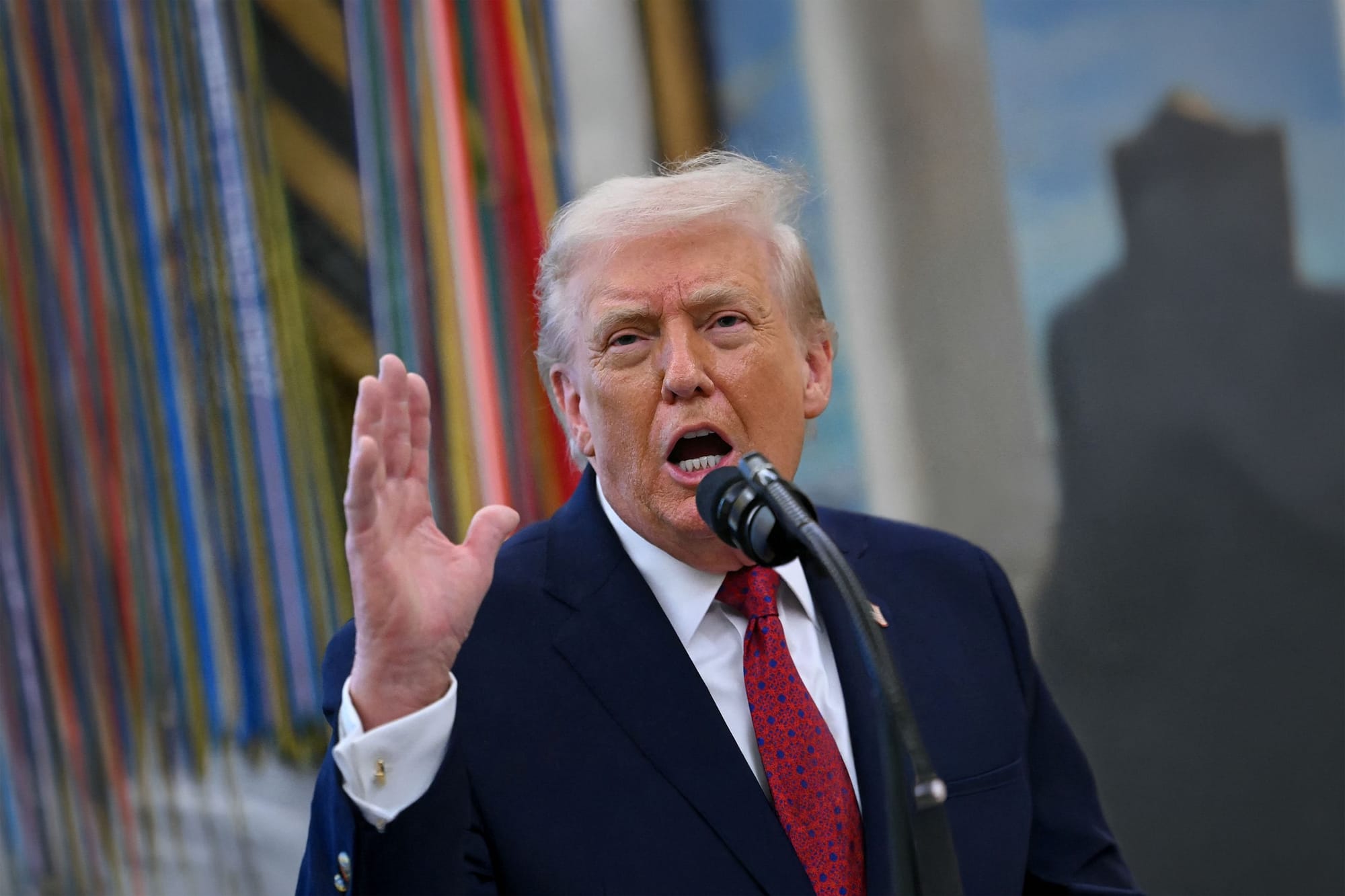
Trump Urges GOP to Pass National Voter ID Mandate Ahead of 2026 Midterm Elections
President Donald Trump recently called on Republican lawmakers to advance a national voter ID requirement before the 2026 midterm elections, advocating for the Safeguard American Voter Eligibility (SAVE) Act — a proposed federal law that would require documentary proof of U.S. citizenship for voter registration and voting in federal elections. This push was delivered in a speech to House Republicans reviewing legislative priorities for the year.
What Trump Called For
In remarks to GOP lawmakers, Trump emphasized the need for a national voter ID mandate and urged support for the SAVE Act, legislation that has previously passed the House but stalled in the Senate.
He framed the requirement as a means to ensure election integrity, insisting that voters provide documentary evidence of U.S. citizenship before participating in federal elections.
Trump’s comments reflect a continued focus on election administration reform ahead of next year’s congressional contests, where control of the House and Senate could hinge on turnout and voting laws.
What the SAVE Act Would Do
The SAVE Act — formally titled the Safeguard American Voter Eligibility Act — is a proposed federal law that would amend the National Voter Registration Act of 1993 to require documentary proof of U.S. citizenship for voter registration in federal elections.
The documentation could include U.S. passports, REAL ID-compliant identification indicating citizenship, or similar official proof. Critics argue that requiring such documentation could disproportionately affect groups who lack easy access to these records, such as naturalized citizens, students, and people who have changed names over time.
The bill has been backed by Republican lawmakers in the past and passed the House in April 2025, but it has not moved through the Senate.
Controversy and Opposition
Opposition to the SAVE Act centers on concerns that strict documentation requirements could lead to unintended voter suppression. Critics say that many eligible citizens — including those who do not readily have a passport or birth certificate — could face new barriers to registering or voting.
Analysts and voting rights advocates also note that non-citizen voting in federal elections is already illegal, and existing federal law includes penalties for attempting to vote unlawfully. The focus of the SAVE Act, supporters contend, is to ensure compliance with existing law by standardizing proof requirements.
Democratic lawmakers have opposed the measure, describing it as unnecessary and potentially disenfranchising to eligible voters.
Political Context
Lawmakers are discussing the SAVE Act as part of a broader push by Republicans to overhaul federal election administration. Proponents argue that unified national standards could prevent confusion between states and guard against fraud, while opponents emphasize state control of elections and access rights.
Trump’s comments come ahead of the 2026 midterm elections, where control of Congress could shift depending on voter turnout and legislative priorities, including election law reforms.
What This Means for Markets & Policy
Though largely a policy and political issue, the push for national voter ID legislation can have indirect effects on markets and risk sentiment:
1. Regulatory Impact on Civic Tech & Compliance
Companies providing voting technology, identity verification, and compliance tools may see increased demand if new federal standards move forward.
2. Political Risk and Capital Markets
Heightened debate over election law can contribute to political risk premiums that influence currency strength, Treasury yields, and consumer confidence metrics.
3. Financial Services & Data Security
A federal documentation standard could increase demand for secure identity verification technologies — a sector that overlaps with cybersecurity and data services.
Broader Policy Debate
Requiring proof of citizenship has been part of ongoing discussion in U.S. election law reform:
- The House passed the SAVE Act in 2025; it would require documentary proof of U.S. citizenship to vote in federal elections.
- Some scholars and rights groups argue that such requirements could place undue burdens on voters, especially those without easy access to certified documentation.
- Others point out that voter fraud involving non-citizens is historically very rare, though standardizing proof of eligibility could be seen as a preventive measure.
Bottom Line
President Trump’s recent remarks urging GOP passage of a national voter ID mandate through the SAVE Act highlight a continuing push for election reform ahead of the 2026 midterms. The proposal remains controversial, with strong advocacy on both sides of the aisle regarding election access and integrity.