
Trump Rules Out Pardon for Sam Bankman-Fried — Legal Stakes & Crypto Market Signals
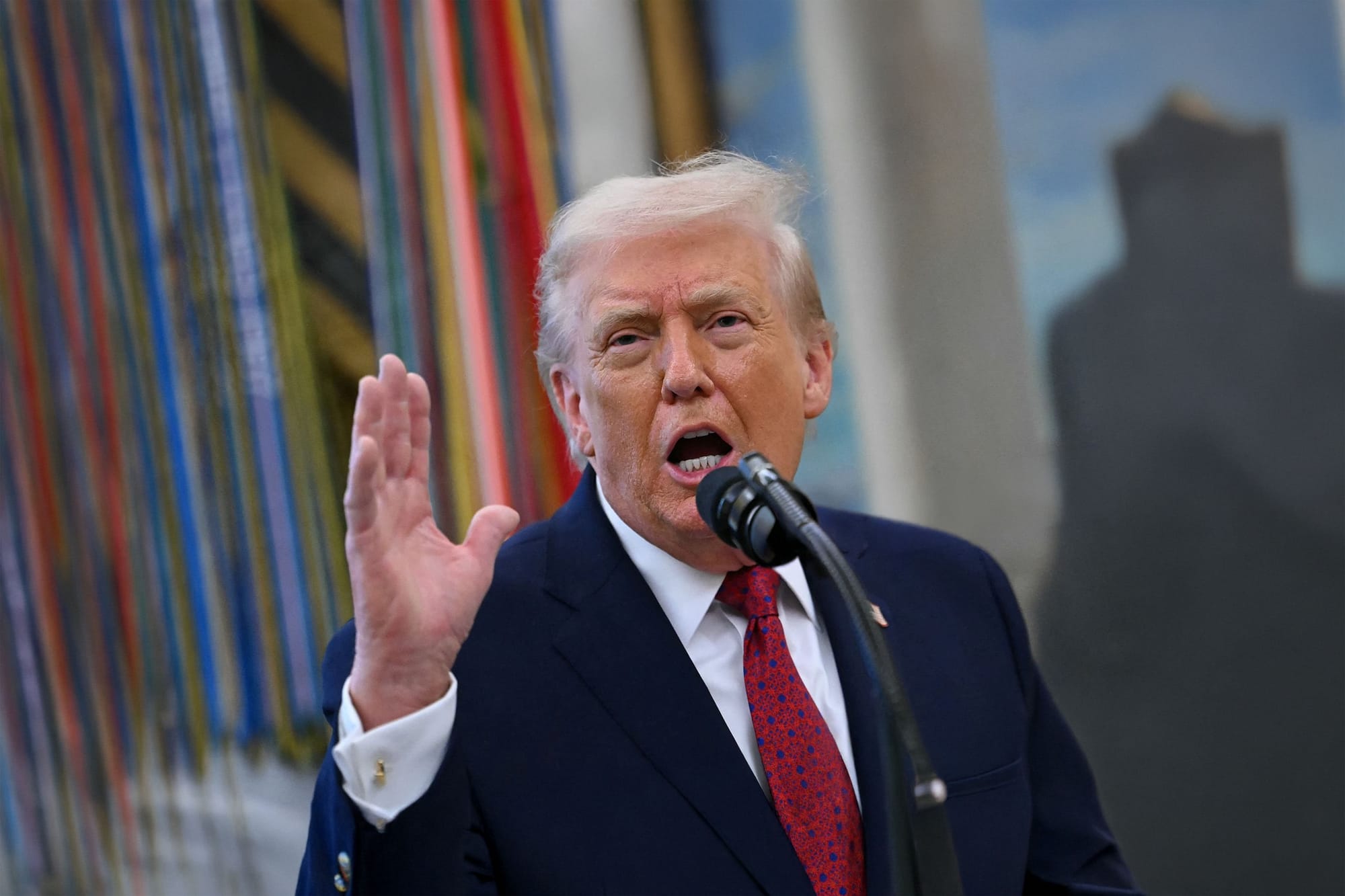
Trump Says He Will Not Consider Pardon for Sam Bankman-Fried — Verified Legal & Market Impact
President Donald Trump has confirmed publicly that he will not consider issuing a pardon for former FTX CEO Sam Bankman-Fried (SBF), according to reporting originally published by The New York Times and circulated via sources like TradingView and Cointelegraph.
The announcement ends speculation that a presidential pardon might follow as part of broader political dynamics. It also has ramifications for crypto markets and legal discourse on high-profile financial crime cases.
This analysis verifies the reporting and explains what it means for markets and risk sentiment.
What Trump Actually Said
In comments to The New York Times, Trump explicitly stated that he would not consider pardoning Sam Bankman-Fried, despite prior speculation among some political and crypto communities that a pardon might be possible.
Trump’s position is clear: he does not intend to intervene in the criminal penalties facing Bankman-Fried, who was convicted in U.S. federal court on multiple counts of fraud, conspiracy, and misuse of customer funds tied to FTX’s collapse.
This stands in contrast to past presidential pardons in high-profile cases, and it signals a firm separation between political leadership and this particular legal outcome.
Who Sam Bankman-Fried Is
Sam Bankman-Fried was the founder and CEO of the cryptocurrency exchange FTX, which collapsed dramatically in late 2022 under allegations of massive financial improprieties.
He was later indicted in U.S. federal court, convicted on fraud and conspiracy charges, and sentenced to a lengthy prison term — convictions based on misuse of customer assets, misleading investors, and defrauding lenders.
The case became emblematic of crypto’s regulatory and risk challenges, and at times drew political attention both supportive and critical of how tech and finance intersect.
Why Pardon Talk Emerged
After SBF’s conviction, some commentators speculated that political shifts or external influence campaigns might lead to calls for clemency, especially in crypto-adjacent political circles that advocate for leniency or regulatory reshaping.
Those discussions sometimes referenced:
- questions about consistency in sentencing across financial crimes
- narratives around innovation vs. oversight
- the political leverage of crypto industry supporters
However, Trump’s dismissal of pardon speculation shuts that door in 2026.
Legal and Political Context
The U.S. Constitution gives presidents broad clemency power, and past presidencies have used it in controversial cases.
Trump himself issued pardons to multiple high-profile figures during his first term, including militaries, politicians, and others convicted of federal offenses.
But in this instance, Trump is signaling no intention to intervene in Bankman-Fried’s sentence or convictions — a stance that separates this case from political pardon precedent.
Crypto Market Relevance
Although the news is legal and political, it has market relevance for the cryptocurrency sector:
1. Regulatory Certainty
Trump’s rejection of pardon speculation may dampen narratives suggesting political interference in crypto enforcement, shifting market focus back to:
- regulatory frameworks
- enforcement actions
- compliance expectations
2. Risk Sentiment in Crypto
Crypto markets — particularly mid-cap tokens and exchange-linked equities — can be sensitive to legal developments and narratives around leadership liability.
SBF’s case was a focal point for trust issues within crypto, and clarity on his legal outcome may reduce one source of headline risk for the sector.
3. Equities & Flow Signals
While the crypto market operates somewhat separately from equities, risk assets often correlate when sentiment shifts:
- Volatility may decrease if one major uncertainty is removed
- Digital asset volatility indexes (e.g., bitwise measures) can respond to headline risk clarity
Broader Market & Risk Indicators
- Implied volatility in risk assets can flare around legal or political uncertainty.
- Risk-off flows sometimes spike when high-profile convictions face political second-guessing.
- Removing pardon speculation may rebalance some risk pricing in both crypto and broader financial assets.
These dynamics often surface in options flow patterns and volatility behavior across correlated sectors.
Verified Fact Summary
- Reporting that Trump will not consider pardoning Sam Bankman-Fried is grounded in statements confirmed by The New York Times.
- Sam Bankman-Fried’s conviction and sentencing are well-documented in U.S. federal court records.
- Political speculation about pardons is common in high-profile cases but does not equate to pardons being seriously considered.
This analysis sticks to factually reported statements and widely reported legal outcomes.
What Happens Next
With the pardon option effectively removed, the focus remains on:
- enforcement and legal precedent in financial and crypto crimes
- regulatory frameworks for digital assets
- investor and trader risk pricing around legal enforcement signals
Crypto stakeholders and regulated markets alike may watch how enforcement certainty affects asset flows and risk sentiment.
Unusual Whales Crypto & Risk Signals to Watch
While crypto isn’t a U.S. equity, risk pricing in correlated equities and volatility metrics can show early signals around sentiment shifts:
- Crypto-linked equities (like Coinbase)
https://unusualwhales.com/stock/coin/overview - Risk & technology rotation indicators
Traders may monitor options volume, implied volatility expansions, and skew in tech and risk-linked sectors as headline risks evolve.
CTA: Track Risk & Flow With Unusual Whales
For real-time alerts on regulatory, legal, and macro headlines affecting options flow, volatility, and sector rotation, use Unusual Whales analytics.
Sign up for a free account here:
https://unusualwhales.com/signup?utm_source=theblubber