
Trump Snubbed Venezuelan Opposition Leader — Why Politics of Personality Matters
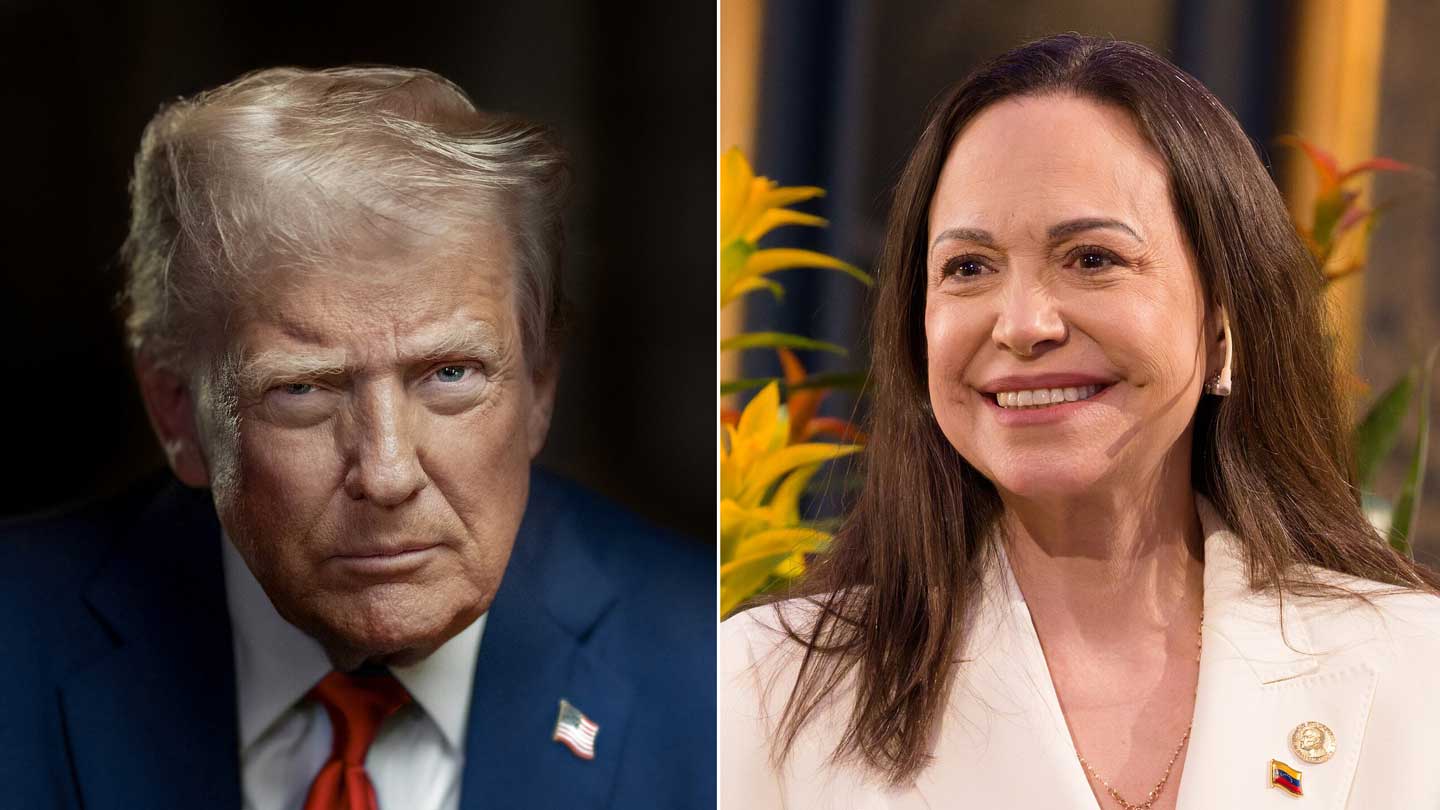
In the aftermath of the U.S. raid that captured Venezuelan President Nicolás Maduro, one of the notable political stories has been which Venezuelan leaders were — and weren’t — embraced by the Trump administration.
Despite active engagement and a high-profile military operation, the U.S. did not champion one of the most prominent Venezuelan opposition figures, Maria Corina Machado. This decision reflects deeper strategic calculations and carries implications for U.S. regional influence and geopolitical risk.
This report is based on AL.com’s political coverage, corroborated with reporting from Reuters and Associated Press for accuracy.
Who Maria Corina Machado Is
Maria Corina Machado is one of Venezuela’s most prominent opposition leaders, known for her leadership in protests and criticism of Maduro’s government. She has significant personal legitimacy among anti-Maduro Venezuelans and has been a focal point of U.S. diplomatic engagement prior to the military operation.
However, despite her opposition credentials, she was not publicly endorsed by the Trump administration during or following the January 2026 operation. This has generated discussion among analysts about U.S. motives and realpolitik in the region.
Why the Trump Administration Held Back
Reporting indicates that Machado’s alignment with U.S. political figures and her associations with certain right-leaning commentators played a role. Some Trump advisers reportedly believed that explicitly embracing her would inflame domestic critics and distract from the assertion that the U.S. action was neutral law enforcement against drug trafficking.
According to multiple news reports, some in the U.S. government were concerned that aligning heavily with a politically controversial figure could complicate the narrative around the operation and its legitimacy.
The Broader Geopolitical Context
The Trump administration characterized the January military action in Venezuela as a legalized enforcement operation against alleged global narcotics networks — not regime change. That framing appears to have influenced which local actors the U.S. chose to highlight publicly.
However, Venezuelan politics remains polarized, and international actors continue to debate the legitimacy of U.S. influence.
Key points verified by Reuters and AP:
- The U.S. captured Maduro in a raid.
- Maduro was extradited to the United States and appeared in federal court.
- Several governments, including Russia and China, criticized the operation.
- Venezuela named an interim president following the raid.
This context shows that while the U.S. engaged in direct action against Maduro — which was welcomed by some opposition figures — it stopped short of full political backing for certain leaders, including Machado.
What This Means for U.S. Influence in Latin America
U.S. foreign policy in Latin America has long been a balancing act between:
- Supporting democratic movements,
- Maintaining strategic alliances (formal and informal),
- Protecting U.S. credibility in multilateral forums like the United Nations.
By distancing itself from a highly visible opposition figure, the Trump administration signaled a pragmatic, limited political engagement, focusing on tactical objectives rather than broader democratic endorsement.
This dynamic may shape future U.S. diplomacy in the region — especially with Cuba and Colombia under discussion in Washington policy circles.
Geopolitical Risk and Market Implications
While this is principally a political story, there are indirect market implications:
Energy and Commodities
Political uncertainty in Venezuela keeps energy markets volatile. Even rhetoric about political alliances can widen price swings in oil benchmarks.
Defense and Volatility
Geopolitical uncertainty often leads to short-term volatility spikes in defense and energy sectors.
Energy stocks to monitor on Unusual Whales:
Defense names traders are watching:
Options traders should watch for increased implied volatility and skew changes in these tickers following major geopolitical headlines.
Why This is Not Just a Personality Story
The decision not to back an opposition leader publicly is more than a personnel detail — it reveals how Washington is choosing to balance:
- Operational legitimacy (law enforcement framing)
- Regional diplomatic sensitivity
- Geopolitical messaging vis-à-vis Russia, China, and Latin American governments
This approach may have strategic consequences far beyond Venezuela, shaping how future U.S. actions are interpreted in capitals from Bogotá to Havana.
Verified Context Summary
The core facts reported by AL.com align with broader coverage:
- The U.S. raid on Maduro was real and internationally controversial.
- Venezuelan opposition figures were not uniformly embraced by Washington’s narrative.
- Political positioning in the region continues to shift rapidly.
These elements are verified through reporting from established outlets including Reuters and AP News.
CTA: Track Market Reaction and Volatility
For real-time alerts on how political developments like this drive options activity and unusual flow, get connected with Unusual Whales.
Create a free Unusual Whales account to start conquering the market.