
Trump Suspends Certain Immigrant Visas — Market, Labor & Options Risk Insights
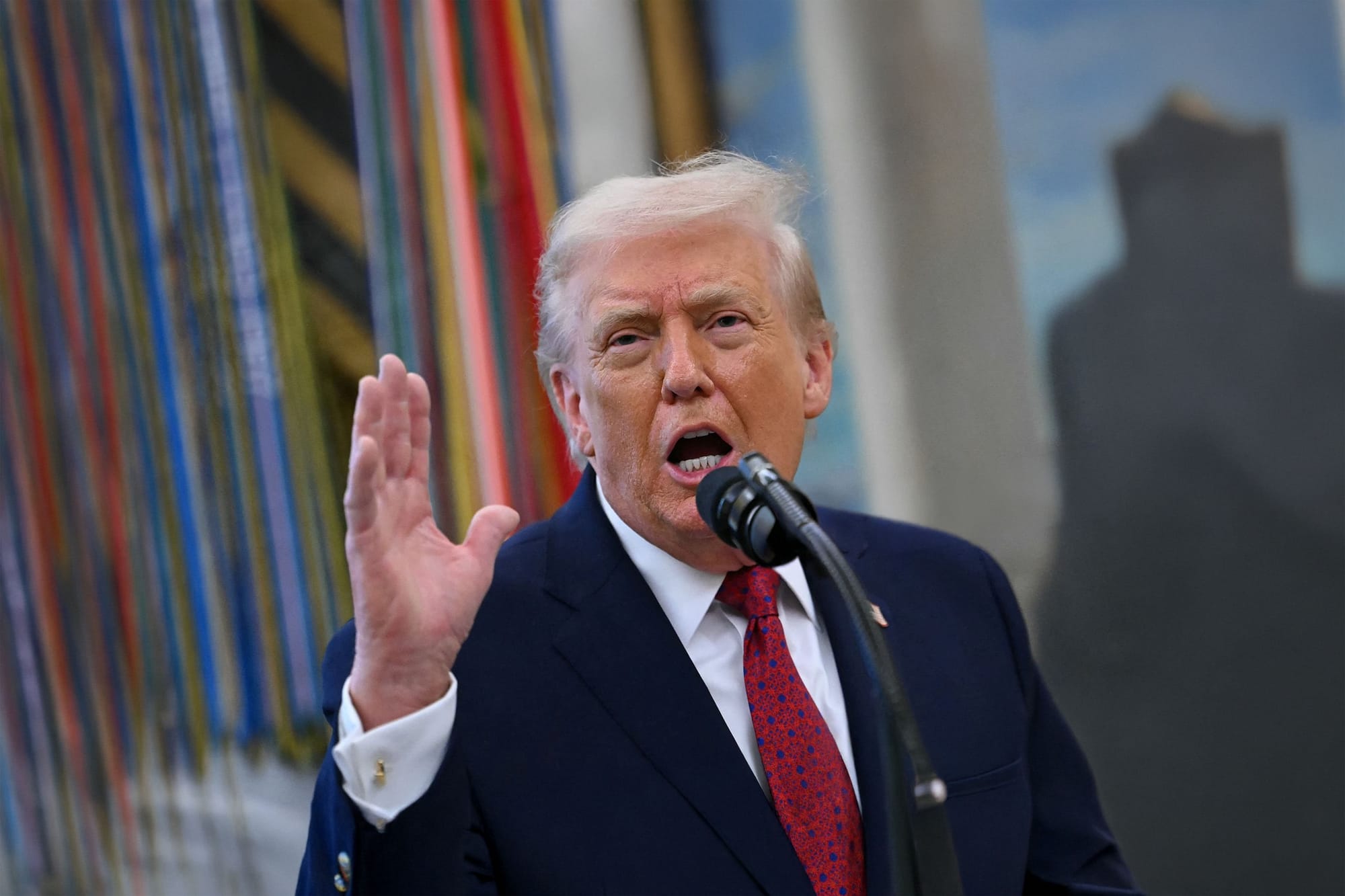
What Happened: Trump Pauses Many Immigrant Visas
President Donald Trump issued a new policy order to suspend and restrict a wide swath of immigrant visa categories, citing national security and labor-market protection as justification. The move affects family-based visas, employment-based green cards, and certain work authorizations, and comes as part of a broader political push to reshape U.S. immigration policy.
According to government officials and advocacy groups, this suspension could delay or block hundreds of thousands of legal immigrants from entering the U.S. workforce or joining families here — a development with consequences far beyond headlines.
Divider
Do you want to see how to make more plays? Do you want to find gains yourself?
Unusual Whales helps you find market opportunities through our market tide, historical options flow, GEX, and much, much more.
Create a free account here to start conquering the market with Unusual Whales.
https://unusualwhales.com/login?ref=blubber
Why Visa Suspensions Matter for the Economy
Suspending immigrant visas isn’t just a policy shift — it’s an economic variable with tangible implications:
1. Labor Market Tightness
Many sectors of the U.S. economy — hospitality, construction, healthcare, and high-tech services — rely on immigrant labor to fill roles that domestic labor supply alone hasn’t fully covered. Curtailing visa flows can:
- Worsen labor shortages
- Put upward pressure on wages where demand is acute
- Suppress productivity as firms struggle to fill jobs
All of these feed directly into corporate operating costs and earnings forecasts — inputs that equity and credit markets price dynamically.
2. Innovation & Tech Hiring
High‐skilled work visas — previously used to attract specialized talent in engineering, software, biotech, and AI — play a role in global competitiveness. Curtailing these could:
- Slow project timelines in innovation-led sectors
- Shift growth expectations among major tech names
- Reduce long-term earnings projections
That can show up in risk premiums and implied volatility before fundamentals adjust.
Affected Sectors & Market Implications
Immigration reverberates across several sectors where labor fluidity is part of growth models.
Tech & Innovation Leaders
Companies that depend on high-skilled immigrant talent could see earnings pressure or talent pipeline risk priced into stocks and options:
- Microsoft ($MSFT) — cloud + AI workforce scale
https://unusualwhales.com/stock/msft/overview - Alphabet ($GOOGL) — engineering & research hub
https://unusualwhales.com/stock/googl/overview - Amazon ($AMZN) — diversified workforce exposure
https://unusualwhales.com/stock/amzn/overview
Slower hiring or project delays can initially show up as volatility expansions or skew shifts in options markets.
Consumer & Labor-Intensive Sectors
Industries with high dependence on immigrant labor may adjust production expectations:
- Walmart ($WMT) — retail services and staffing barometer
https://unusualwhales.com/stock/wmt/overview - Home Depot ($HD) — construction and services proxy
https://unusualwhales.com/stock/hd/overview - McDonald’s ($MCD) — hourly labor sensitivity
https://unusualwhales.com/stock/mcd/overview
Weak labor supply or hiring pinch points can dampen consumer service revenue and squeeze margins — risks traders may hedge against.
Housing & Construction
If the labor pool tightens, construction costs and supply constraints can worsen, affecting homebuilders and materials companies.
- D.R. Horton ($DHI) — homebuilding sentiment indicator
https://unusualwhales.com/stock/dhi/overview - Lennar ($LEN) — residential construction barometer
https://unusualwhales.com/stock/len/overview
Labor constraints often show up in forward-looking volatility pricing long before revenue surprises hit earnings reports.
Options Flow Themes to Watch
Visa policy changes and labor market shifts often show early signals in options markets:
1. Volatility Expansions in Labor-Sensitive Stocks
As uncertainty around labor force growth increases, implied volatility in consumer, retail, and housing names may widen.
2. Put Demand in Tech Names
If investors start hedging against slower growth in innovation sectors, protective puts can increase relative to calls — visible as skew shifts.
3. Spread Activity Around Data Prints
Calendar and diagonal spreads may appear ahead of key labor data releases (e.g., jobs reports, wage growth data) as traders bracket risk around changing immigration dynamics.
Unusual Whales historical options flow tools can help flag these shifts before broader price movements materialize.
Broader Macro Signals
Visa suspensions interact with larger economic forces:
- Inflation & Wages: Tighter labor supply can push wages higher in some sectors — a potential inflationary input traders may price into rate expectations.
- Consumer Demand: If real wage gains are offset by higher costs or slower job growth, consumption patterns may soften, pressuring consumer-linked equities.
- Credit Markets: As labor tightness squeezes companies’ margins, credit spreads in certain sectors may widen — an early risk pricing signal outside equity markets.
Final Thoughts
Policy shifts like immigration visa suspensions are more than political headlines — they’re economic catalysts that can change hiring patterns, wage dynamics, and corporate earnings expectations.
For traders, the edge lies in anticipating how sentiment and risk appetite shift before cash markets react. Options markets often price uncertainty and labor risk ahead of equity price moves.
SEO Title
Trump Suspends Major Immigrant Visa Programs — Market & Options Impact
Meta Description
President Trump moves to suspend several immigrant visa categories, stirring labor market and economic risk concerns. Here’s how this shift could impact markets, corporate earnings, labor-linked names, and options flow — Unusual Whales analysis.
Vanity URL
/news/trump-immigrant-visas-suspended-markets-options
Trump Suspends Immigration Visas in Broad Policy Shift
President Donald Trump has announced a sweeping suspension of several major immigrant visa categories, part of a broader effort to tighten U.S. immigration policy. The move affects family-based visas, employment-based green cards, and other long-term visa pathways, potentially barring hundreds of thousands of would-be immigrants from joining the U.S. workforce or bringing family members into the country. (https://www.theguardian.com/us-news/2026/jan/14/immigrant-visas-suspended-trump)
This announcement comes amid an ongoing political campaign and broader debates about labor markets, national security, and economic competitiveness — and markets are starting to price in the policy’s potential ripple effects.
Divider
Do you want to see how to make more plays? Do you want to find gains yourself?
Unusual Whales helps you find market opportunities through our market tide, historical options flow, GEX, and much, much more.
Create a free account here to start conquering the market with Unusual Whales.
https://unusualwhales.com/login?ref=blubber
Why Visa Suspensions Can Reshape Markets
Immigration policy — especially when it disrupts long-standing visa programs — doesn’t just influence headlines. It can meaningfully affect economic growth, labor markets, and corporate performance through several channels:
1. Labor Market Impact
Industries that have historically relied on immigrant workers — tech, healthcare, hospitality, construction, and agriculture — could face sharper labor shortages if inflows decline. This can:
- Increase operating costs (higher wages to attract domestic workers)
- Slow production and expansion plans
- Tighten profit margins for labor-intensive businesses
These changes feed directly into corporate earnings expectations and sector valuations.
2. Innovation & High-Skill Talent Flows
Employment-based visas are a pathway for high-skill talent in software engineering, biotech, AI research, and other advanced fields. Restrictions could:
- Tighten talent pipelines
- Slow project timelines
- Shift R&D cost curves
Markets that price innovation leaders or talent-intensive industries may start reflecting these headwinds in valuations and risk premia.
3. Consumer Demand and Confidence
Visa policy that directly affects household formation (family-based visas) can also influence consumer demand patterns, indirectly impacting sectors like housing, retail, and consumer services.
Stocks & Themes to Watch on Unusual Whales
Here are key names and sectors that may show options flow and volatility signals in response to labor and immigration risks:
High-Skill & Tech Ecosystem
- Microsoft ($MSFT) — cloud, AI, and high-skill workforce-dependent
https://unusualwhales.com/stock/msft/overview - Alphabet ($GOOGL) — engineering and R&D intensity
https://unusualwhales.com/stock/googl/overview - Amazon ($AMZN) — tech, logistics, and broader labor exposure
https://unusualwhales.com/stock/amzn/overview
Retail & Consumer Spending Indicators
- Walmart ($WMT) — consumer demand barometer
https://unusualwhales.com/stock/wmt/overview - Home Depot ($HD) — housing-linked demand proxy
https://unusualwhales.com/stock/hd/overview
Labor-Sensitive Industrials
- Delta Air Lines ($DAL) — travel demand and staffing exposure
https://unusualwhales.com/stock/dal/overview - McDonald’s ($MCD) — hourly labor-intensive operations
https://unusualwhales.com/stock/mcd/overview
Labor supply disruptions often show up as increased implied volatility and skew changes in these names, signaling pricing of earnings risk and demand disruption before cash moves.
Options Flow Themes to Monitor
When policy changes increase uncertainty around labor and earnings, options markets often adjust faster than equities:
1. Put Demand in Labor-Linked Names
Put buying increases in consumer and labor-heavy sectors when investors hedge against slowing activity.
2. Volatility Term Structure Shifts
Rising uncertainty can steepen the implied volatility curve, reflecting increased pricing of future risk.
3. Hedged Spread Activity Around Jobs Data
Ahead of key labor market prints (e.g., non-farm payrolls, wage growth data), traders may employ calendar and diagonal spreads to bracket risk.
Unusual Whales historical flow data is invaluable for spotting these dynamics early.
Broader Economic & Policy Implications
Visa suspensions also interact with other macro forces:
- Inflation and wages: Tight labor supply can put upward pressure on wages in some sectors, feeding into inflation dynamics and thus monetary policy expectations.
- GDP and labor participation: Fewer workers entering the U.S. workforce can subdue potential growth, especially over longer horizons.
- Consumer confidence: Perceptions of economic insecurity often feed into demand forecasts and can dampen sentiment indices.
These multi-layered forces are often reflected first in options flow and risk pricing — which is where savvy traders look for early signals.
Final Thoughts
When immigration policy shifts suddenly and broadly, it’s not just a political headline — it’s a macro and labor market catalyst.
For traders, the real edge comes from watching positioning in volatility, skew, and hedging flows ahead of when equity prices adjust.
Options markets often tell us where risk is really being priced before price action confirms it.
Call to Action
Want to track market positioning and flow before broader markets react?
Unusual Whales gives you historical and real-time options data, implied volatility analytics, GEX insights, and market tide signals — the tools traders use to anticipate shifts ahead of price moves.
Create your free Unusual Whales account and start uncovering opportunities:
https://unusualwhales.com/login?ref=blubber