
U.S. Orders Some Personnel to Leave Qatar Base Amid Iran Tensions — Market & Options Impact
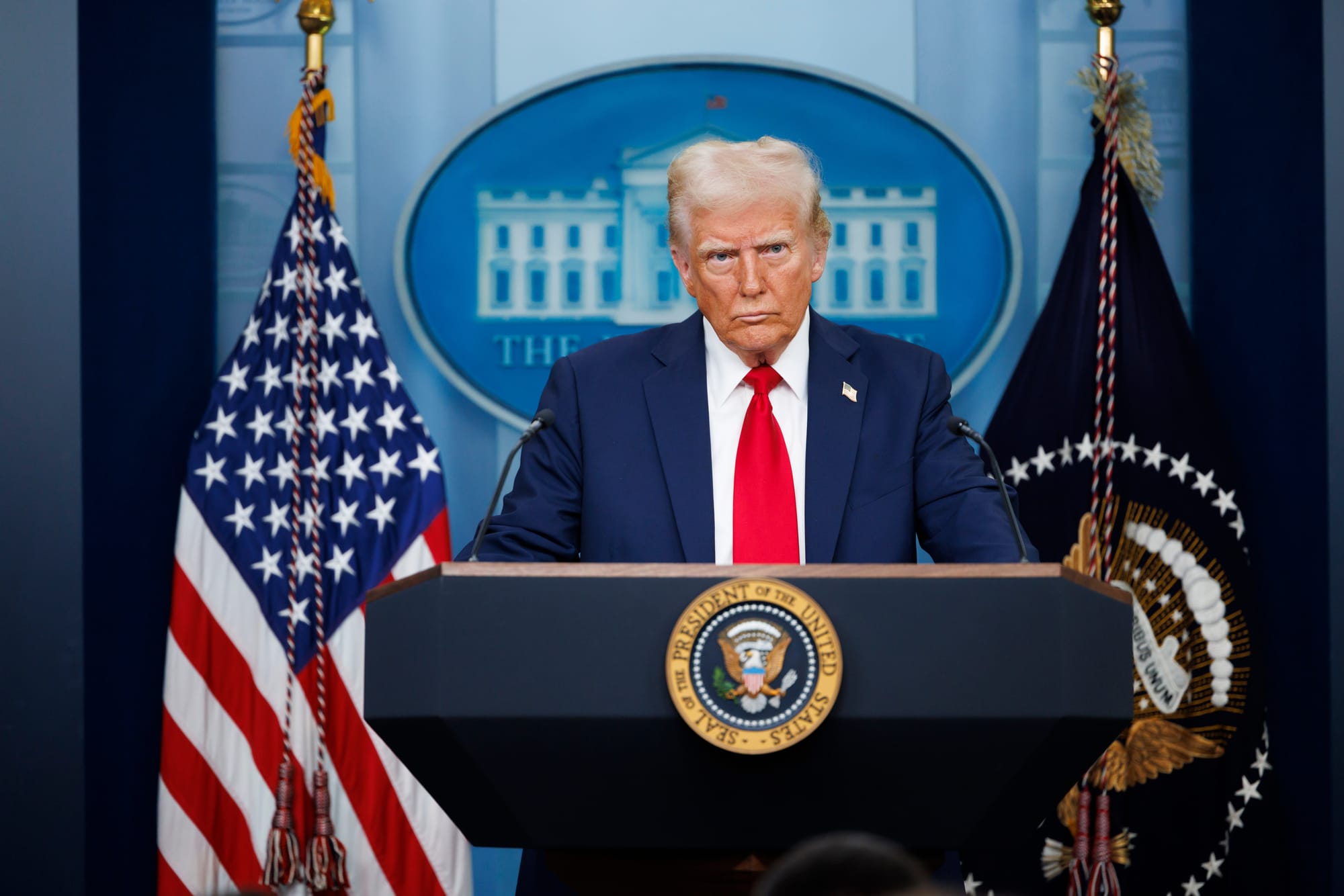
Some U.S. Personnel Advised to Leave Military Base in Qatar
Some personnel at the U.S. military’s Al Udeid Air Base in Qatar — the largest U.S. base in the Middle East, hosting around 10,000 troops — were advised to leave by Wednesday evening as a precautionary “posture change” amid heightened regional tensions with Iran. This move was reported by three diplomats citing unnamed sources.
Officials characterized this step as a posture adjustment rather than a formal evacuation, and neither the U.S. embassy in Doha nor Qatar’s government has detailed specific reasons beyond general safety concerns.
This development comes against the backdrop of warnings from Iranian officials that Tehran may target U.S. military installations in response to potential U.S. actions linked to protests in Iran.
Divider
Do you want to see how to make more plays? Do you want to find gains yourself?
Unusual Whales helps you find market opportunities through our market tide, historical options flow, GEX, and much, much more.
Create a free account here to start conquering the market with Unusual Whales.
https://unusualwhales.com/login?ref=blubber
Why This Matters for Markets
A partial withdrawal or repositioning of U.S. forces — even if labeled a “posture change” — is a bellwether for heightened geopolitical risk. Market sentiment, especially in risk assets, often reacts well before major price moves when headlines signal instability.
Here’s how it could matter:
Geopolitical Risk Premiums
Heightened risk around U.S.–Iran conflict prospects can increase risk aversion, typically lifting safe-haven assets (e.g., gold and Treasuries) and pressuring risk assets or equities with international exposure.
Defense Sector Volatility
Defense and military technology stocks often price in heightened demand forecasts during periods of geopolitical escalation — but they can also see volatile swings as risk narratives evolve.
Energy & Commodity Market Sensitivity
Tensions in the Middle East often affect oil & gas markets due to potential supply disruptions or broader risk pricing related to shipping and energy flows.
These reactions commonly show up first in options markets, as traders hedge through volatility and skew adjustments.
Defense & Geo-Risk Names to Watch on Unusual Whales
Here are key stocks where shifting geopolitical risk could show up early in options flow and implied volatility:
Defense & Aerospace
- Lockheed Martin ($LMT) — defense systems & global military hardware
https://unusualwhales.com/stock/lmt/overview - Northrop Grumman ($NOC) — strategic defense and missile systems
https://unusualwhales.com/stock/noc/overview - Raytheon Technologies ($RTX) — integrated defense tech
https://unusualwhales.com/stock/rtx/overview
Defense equities often see IV expansions and put/call skew shifts amid geopolitical tension as traders hedge against uncertainty.
Energy & Diversified Commodities
Geopolitical risk near the Gulf can also affect broader energy sentiment, influencing names tied to supply and extraction:
- Exxon Mobil ($XOM) — broad energy exposure
https://unusualwhales.com/stock/xom/overview - Chevron ($CVX) — diversified energy producer
https://unusualwhales.com/stock/cvx/overview
While not directly linked to conflict news, these names can reflect risk premia when Middle East energy security headlines surface.
Options Flow Themes to Monitor
When headlines suggest rising geopolitical risk — especially involving U.S. military posture shifts — options markets often price this risk before equities react:
1. Volatility Expansion
In defense and energy stocks, implied volatility can rise as traders hedge against geopolitical catalysts.
2. Put/Call Skew Changes
Relative demand for puts often increases in macro leadership names and sector proxies as risk aversion rises.
3. Spread & Collar Activity
Trade structures like calendar spreads or collars emerge as market makers and traders bracket upcoming geopolitical risk events or data prints.
Unusual Whales historical flow tools can flag these patterns early.
Broader Geostrategic & Macro Signals
This posture change at Al Udeid Air Base reflects continued friction between the U.S. and Iran that has escalated over recent months. Tehran reportedly warned regional governments that U.S. military bases could be targeted if Washington takes action against Iran, a threat that adds to risk narratives around supply chains and regional stability.
Past history also matters: Al Udeid was targeted by Iranian missile strikes in June 2025, when Tehran responded to U.S. strikes on Iranian facilities, emphasizing the strategic value and vulnerability of this location.
These dynamics show how political and military risk can translate into market risk premiums — especially in macro assets and sectors closely linked to global stability.
Final Thoughts
This isn’t just another geopolitical headline — it’s a risk signal that markets price quickly and often before equity performance shows it. Traders who watch options flow, volatility changes, and skew shifts can discern shifts in sentiment during episodes like this.
Capital tends to rotate toward hedges and defensive positioning before price breakdowns in risk assets become evident in traditional price charts.
Call to Action
Want to track geopolitical risk and sentiment before price reacts?
Unusual Whales gives you historical & real-time options data, implied volatility analytics, GEX indicators, and market tide signals — the tools traders use to anticipate where markets go next.
Create your free Unusual Whales account and start uncovering opportunities:
https://unusualwhales.com/login?ref=blubber