
U.S.-Taiwan Tariff Talks Near Deal — Market & Options Impact Breakdown
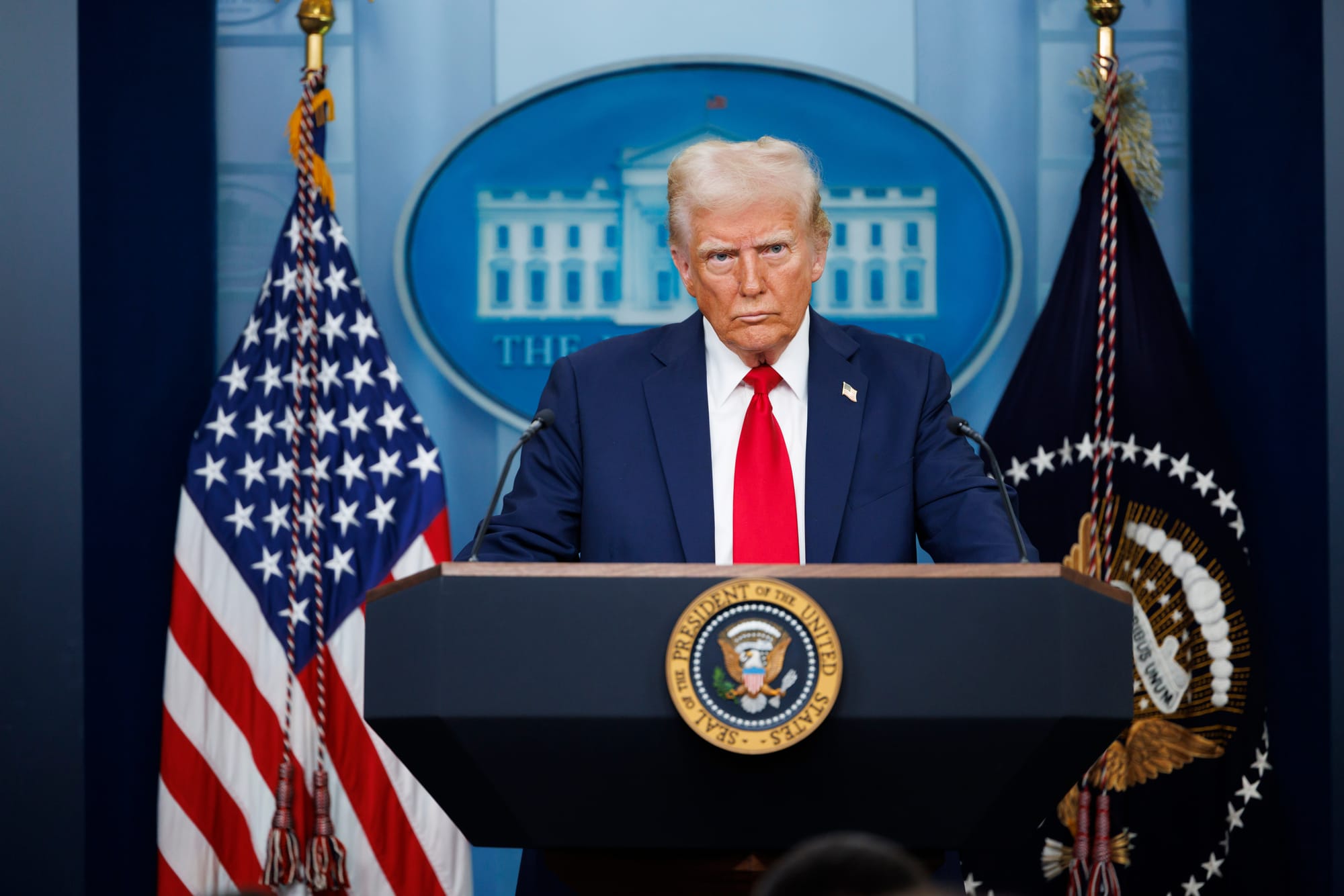
Taiwan Says It Has Reached “Broad Consensus” with the U.S. on Tariff Talks
Taiwan announced it has reached a broad consensus with the United States in ongoing tariff negotiations and is working on scheduling a concluding meeting to finalize details. This marks a major moment in U.S.–Taiwan trade discussions, especially given past tensions over tariffs and trade barriers.
The talks aim to reduce U.S. tariffs on Taiwanese exports from 20% to around 15%, a proposal both sides appear to support — and a potential deal could be formally announced by the end of January.
Taiwan’s Office of Trade Negotiations said the consensus focuses on key tariff issues without releasing full details. Officials also discussed cooperation in replicating Taiwan’s tech cluster success in the U.S. — a strategic nod toward broader economic and supply-chain collaboration.
What’s Driving the Agreement
Taiwan and the U.S. began tariff discussions after Washington imposed steep levies — originally as high as 32% — on certain Taiwanese exports as part of broader trade policy shifts.
Semiconductor exports — which are a linchpin of Taiwan’s economy and global tech supply chains — have been exempt from current tariff levies, while other goods faced elevated duties.
Negotiators have anchored talks in the context of strategic competition, supply-chain diversification, and investment incentives. Part of the compromise discussion involves Taiwanese firms committing to significant U.S. investment — boosting domestic manufacturing capacity in sectors like chips and advanced logic devices.
Divider
Do you want to see how to make more plays? Do you want to find gains yourself?
Unusual Whales helps you find market opportunities through our market tide, historical options flow, GEX, and much, much more.
Create a free account here to start conquering the market with Unusual Whales.
https://unusualwhales.com/login?ref=blubber
Why This Matters for Markets
This tariff development isn’t just a geopolitical headline — it touches some of the most critical supply chains and market drivers of the last decade.
Semiconductors, supply chains, and trade policy are major inputs into global equities, earnings expectations, and sector rotation.
Reducing tariffs between the U.S. and Taiwan could:
- Boost demand and margins for Taiwanese exporters.
- Strengthen U.S. tech supply-chain resilience.
- Signal improved trade relations that reduce cross-border risk premiums.
Taiwan’s export performance in 2025 was already strong, propelled largely by global demand for AI-related technologies and semiconductors — even with tariffs in place.
This consensus may level tariffs in ways that support smoother global trade flows, which is generally a positive signal for equity markets tied to international demand.
Key Stocks & Sectors to Monitor on Unusual Whales
These names are directly or indirectly exposed to the tariff outcome and related supply-chain dynamics — and they may show early action in options flow and implied volatility:
Semiconductor & AI Tech Names
- Nvidia ($NVDA) — AI compute demand proxy
https://unusualwhales.com/stock/nvda/overview - Taiwan Semiconductor Manufacturing Co. (TSMC)
https://unusualwhales.com/stock/tsm/overview - Advanced Micro Devices ($AMD) — fabless chip exposure
https://unusualwhales.com/stock/amd/overview
Taiwan’s semiconductor ecosystem anchors global chip supply. Lower tariff uncertainty and deeper U.S. manufacturing partnerships can influence sector valuation and risk appetite.
Equipment & Capital Goods
- Lam Research ($LRCX) — semiconductor equipment
https://unusualwhales.com/stock/lrcx/overview - Applied Materials ($AMAT) — fab tools and process tech
https://unusualwhales.com/stock/amat/overview
These tend to benefit as chip production scales, both in Taiwan and with expanded U.S. fab footprints.
U.S. Tech & Supply-Chain Plays
- Apple ($AAPL) — integrates Taiwan supply chain
https://unusualwhales.com/stock/aapl/overview - Microsoft ($MSFT) — cloud & AI ecosystem
https://unusualwhales.com/stock/msft/overview
If tariff risk fades, global cost inputs and supply-chain predictability improve — a tailwind for big tech earnings models.
Options Flow Themes to Watch
Negotiations like this — especially around tariffs on high-volume global goods — often influence derivatives markets first:
1. Volatility Compression on Clarified Policy Risk
If tariffs appear set to decrease, implied volatility in semiconductor and global tech ETFs may contract as uncertainty abates.
2. Put/Call Skew Adjustments
Traders might rotate out of hedges tied to trade-risk premiums, flattening skew in sector leaders.
3. Spread Activity Around Economic Data
Calendar and diagonal spreads could appear as traders bracket catalyst dates — such as mid-month trade announcements or GDP snapshots tied to export performance.
Unusual Whales historical options flow can reveal these evolving patterns before they reflect fully in price action.
Broader Economic & Policy Implications
Trade agreements that move barriers lower, rather than higher, generally reduce risk premiums and improve global growth signals. The tentative Taiwan consensus reflects:
- A return to negotiation and compromise in contentious trade fronts.
- A push for domestic investment (e.g., fabs in Arizona).
- A diplomatic signal that trade friction can be resolved collaboratively.
This dynamic is crucial for macro portfolios and market sentiment — improved certainty can unlock capital flows that were previously sidelined due to tariff risk.
Final Thoughts
Reach of consensus in U.S.–Taiwan tariff talks is a meaningful development for markets because it touches global supply chains, manufacturing strategy, and cross-border risk premiums.
For traders, the situation warrants watching:
- How options markets price in lower tariff risk
- Whether volatility compresses in trade-sensitive names
- How flow shifts in semiconductors and related equipment stocks
These are the early signs that often lead broader equity moves.
Call to Action
Want to track these shifts before broader markets react?
Unusual Whales gives you real-time options flow, implied volatility analytics, market tide indicators, and historical derivatives data — tools to help you get ahead of macro and sector rotation.
Create your free Unusual Whales account and start uncovering edge:
https://unusualwhales.com/login?ref=blubber