
Iran Has Lost Significant Control of the Strait of Hormuz: CNN
CNN reports Iran has lost significant control of the Strait of Hormuz, with Kpler data showing more than 80% of recent transits taking the Omani route or going dark.
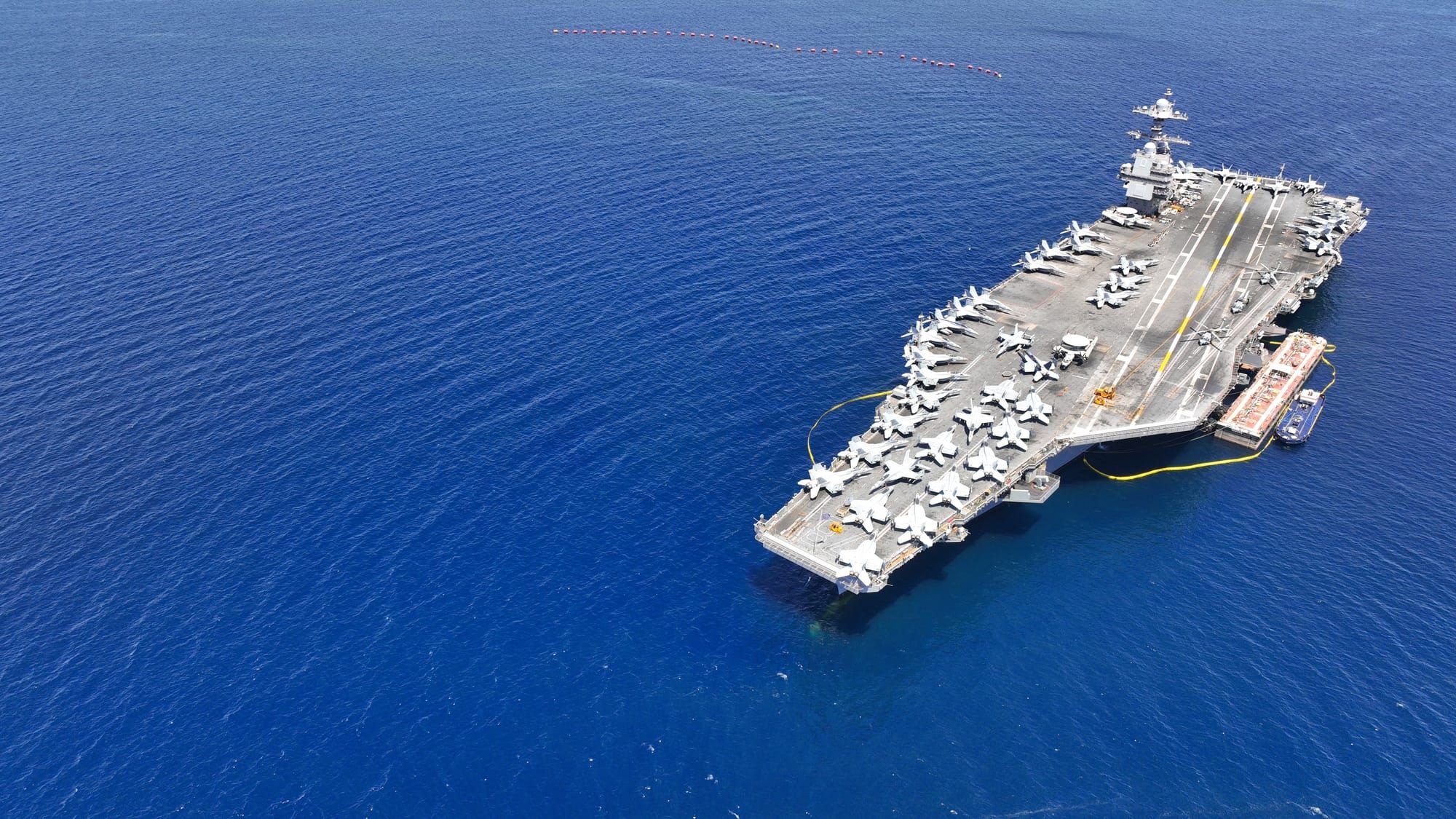
The battle over the Strait of Hormuz has become the defining front of the Iran war, and the latest shipping data suggests Tehran is losing its grip. Over the past several months, both Iran and the United States have claimed the upper hand, and the competing rhetoric has caused considerable confusion, but the evidence now shows the U.S., patrolling the strait with its navy, is gaining ground while Iran is losing much of its control of the critical waterway.
What the shipping data shows
More than 80% of liquids transits through the Strait of Hormuz over the past two weeks have taken the Omani route, a UN-authorized shipping channel that Iran vehemently opposes, or have been “dark” transits that likely took the Omani route, according to Kpler.
That contrasts sharply with a month ago, when Kpler documented virtually zero ship movement along the Omani corridor. The drop in vessels using Tehran’s preferred route has hurt its ability to charge tariffs on ships navigating the passage, a measure it executed during the spring.
How tankers are evading Iran
Kuwait, Saudi Arabia and the United Arab Emirates have chartered Very Large Crude oil Carriers, the biggest oil tankers, to transit out of the Persian Gulf via the Strait of Hormuz, then transfer the oil to customers’ tankers outside the danger zone in the Gulf of Oman, according to Andy Lipow, president of Lipow Oil Associates.
To evade Iran’s attacks, they’ve turned their transponders off, often for weeks on end. That so-called dark traffic appears to have eluded some data-tracking services like Kpler as well. Although some can be picked up on satellite, it’s harder to track via traditional means.
Do you want to see how to make more plays? Do you want to find gains yourself?
Unusual Whales helps you find market opportunities through our market tide, historical options flow, GEX, and much, much more.
Create a free account here to start conquering the market with Unusual Whales.
Neither side has full control
That led President Donald Trump to declare Monday that the United States has “total control over the strait,” a questionable claim he has reiterated often throughout the conflict. Iran’s continued attacks and oil flows still well below pre-war levels suggest the U.S. does not fully control the Strait of Hormuz. But neither does Iran.
Complicating matters, Oman and Iran are engaging in talks to restore freedom of navigation through the strait, absent the United States, much to Trump’s dismay. It’s not clear how those discussions will affect oil traffic or control of the waterway.
Why it matters for oil markets
Roughly a fifth of global oil supply moves through Hormuz, so any shift in who controls transit is a direct crude-price input. If more barrels are actually flowing than trackers see, the physical market is looser than headline risk implies, which caps upside in oil.
Conversely, any Iran-Oman deal that sidelines U.S. naval escorts would reintroduce chokepoint risk premium fast. Traders should watch tanker rates and dark-fleet flows alongside spot Brent.
Options market and stocks to watch
Watch USO for direct crude exposure as the market weighs whether Hormuz risk premium unwinds further. Watch integrated majors XOM and CVX for sensitivity to Gulf flows.
Watch tanker names FRO and INSW for reaction to shifting VLCC routing and rates out of the Persian Gulf. For more, see other news.
Want more market intelligence? Create your free Unusual Whales account for options flow, market tide, GEX, and the full toolkit.