
Iran: Strait of Hormuz Stays Shut Until U.S. Blockade and War End
Iran says the Strait of Hormuz will stay closed until the U.S. lifts its naval blockade and the war, including fighting in Lebanon, permanently ends. Energy, tankers, and defense names back in focus.
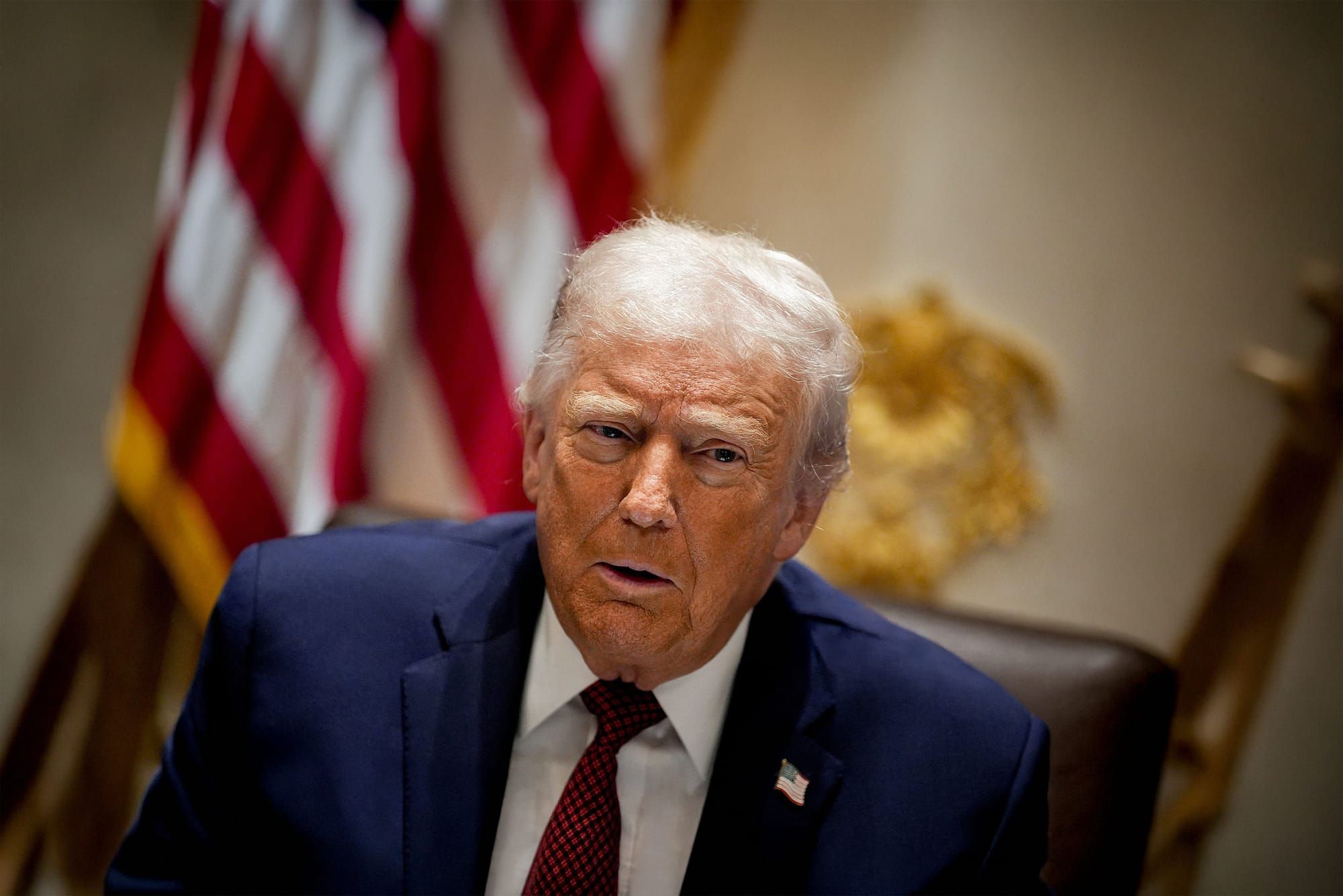
Iran says the Strait of Hormuz will remain closed to commercial traffic until the U.S. lifts its naval blockade of Iranian ports and hostilities across the region, including the fighting in Lebanon, are permanently halted. The statement ties the world’s most important oil chokepoint directly to the state of the broader conflict, and puts energy markets back on watch.
What Iran is demanding
Tehran is framing the closure as conditional on two things: removal of the U.S. blockade and a permanent end to the war on all fronts. Iran’s Supreme National Security Council confirmed that a memorandum of understanding had been finalised under which the war and military operations on all fronts, including Lebanon, are to end immediately and permanently, alongside removal of the U.S. naval blockade.
That MOU has already broken down once. Trump and Iranian President Masoud Pezeshkian signed a June 17 MOU declaring removal of the U.S. blockade and safe passage for commercial vessels for 60 days, but as of early August the United States reimposed its naval blockade in response to renewed attacks on commercial vessels.
The blockade on the water
The U.S. side is actively enforcing at sea. U.S. Central Command tallied that since the resumption of its naval blockade, it had redirected seventeen commercial vessels, disabled two and boarded two to ensure compliance.
Iran is pushing back on the transit routes themselves. Iranian state media reported that on 26 July six vessels that attempted to transit the Strait through a route other than the designated one were stopped by the IRGC Navy with warning shots and turned back.
Do you want to see how to make more plays? Do you want to find gains yourself?
Unusual Whales helps you find market opportunities through our market tide, historical options flow, GEX, and much, much more.
Create a free account here to start conquering the market with Unusual Whales.
Why this matters for markets
The Strait is the artery for a fifth of global oil and LNG flows. It is the energy choke point through which 20 percent of the world’s oil and natural gas usually flows, and it became one of the ceasefire deal’s linchpins.
Every headline that reopens or re-shuts the Strait moves crude, tanker rates, insurance premiums, and defense names. A permanent shutdown scenario is not priced in the same way as the on-again, off-again transit regime traders have been dealing with since spring.
How we got here
On April 13, 2026, after the evident failure of U.S.-Iran talks in Islamabad, President Trump ordered a U.S. blockade of Iranian ports and ships leaving or going to them, with an exception for humanitarian aid. That kicked off the current cycle of closures, ceasefires, and reimposed blockades.
Some ships transited the Strait earlier this year, but Iran halted traffic in response to Israeli attacks in Lebanon. Lebanon has now become the explicit condition Tehran is attaching to any reopening.
Options market and stocks to watch
Watch for volatility in energy and shipping names tied to Gulf flows and defense budgets tied to the campaign:
- XOM and CVX — watch for a bid on any confirmed extended closure that tightens crude supply.
- USO — watch for gap risk on Gulf headlines; front-month crude is the cleanest expression.
- FRO — watch tanker names for rate spikes as routing and insurance costs jump.
- LMT and RTX — watch defense primes on any escalation of the U.S. naval and air campaign.
For more geopolitics-driven flow and follow-ups, see other news on Unusual Whales.
Want more market intelligence? Create your free Unusual Whales account for options flow, market tide, GEX, and the full toolkit.