
Trump Halts Iran Strikes Friday as Oman-Mediated Hormuz Talks Advance
Trump ordered the U.S. military not to strike Iran on Friday, breaking a 13-day streak as Oman-mediated Strait of Hormuz talks advanced. Traders should watch crude, defense, and risk assets for headline-driven whipsaws.
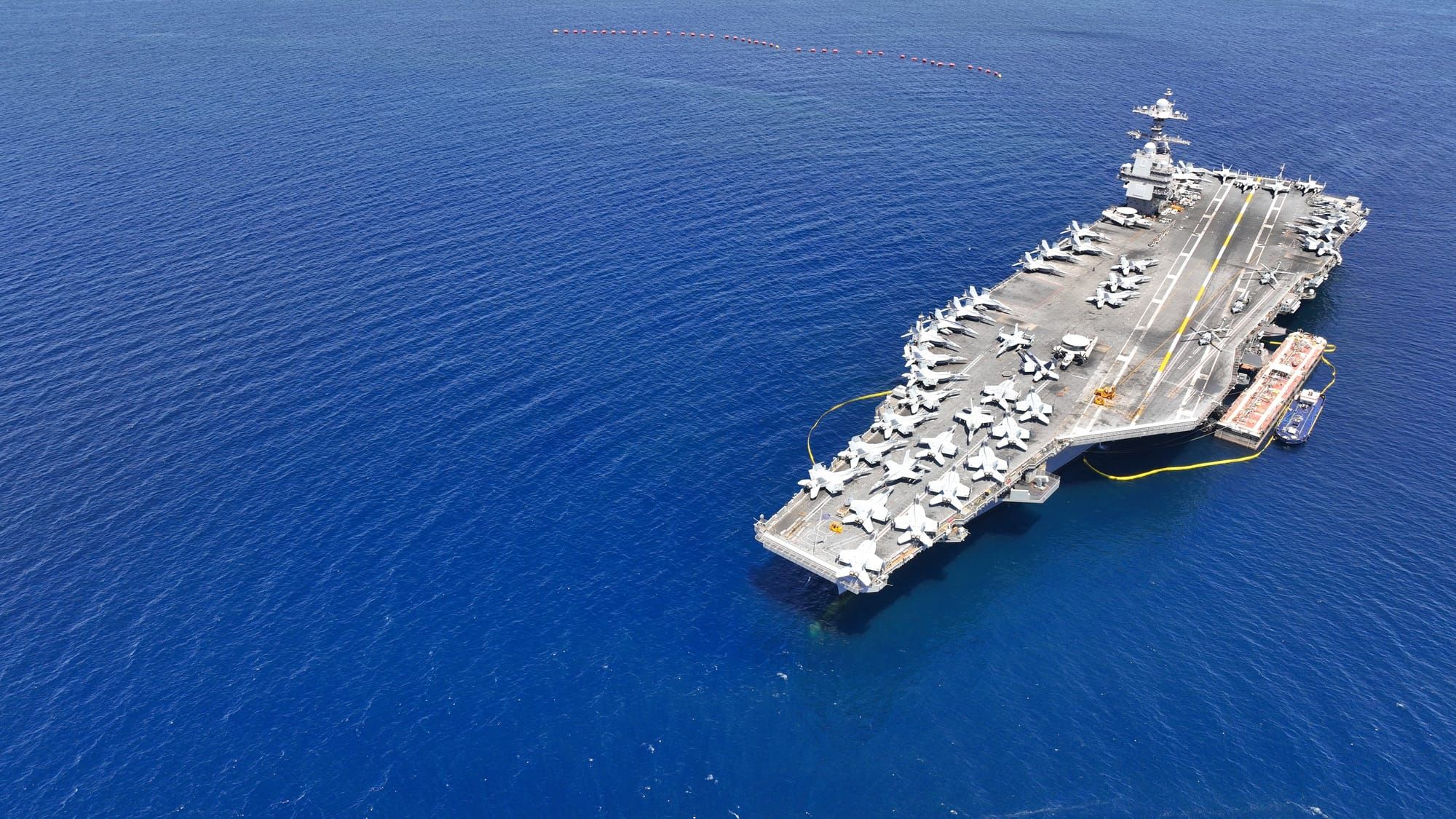
President Donald Trump ordered the U.S. military not to carry out planned strikes on Iran on Friday, breaking a nearly two-week streak of daily attacks even after he had approved the underlying plans earlier in the day. The pause landed as Oman-mediated talks in Tehran moved toward a possible deal on reopening the Strait of Hormuz, and it is already rippling through oil, defense, and risk assets.
What Actually Happened
Every afternoon for the last two weeks, Trump has approved strike plans submitted by the military and they were conducted within hours. On Friday, Trump received a similar plan but did not give a green light and instead directed the military not to conduct strikes.
The order to hold fire was given several hours after an Omani delegation arrived in Tehran for talks on a new arrangement to reopen the Strait of Hormuz. Two regional sources said Iran and Oman had made progress and could reach an agreement over the weekend, though any proposed deal would then require Trump’s approval.
Why Trump Pulled Back
The decision reflects both a willingness to provide more space for diplomacy and a recognition that — short of a return to major combat operations — the current level of U.S. strikes has reached the limit of its effectiveness.
There is also a hardware angle traders should not ignore. Trump has paused plans to escalate the war on Iran after being warned that the U.S. is running low on missiles. That is a supply-chain read-through for defense primes and munitions makers.
Israel Was Braced for Something Bigger
The Israeli security cabinet and Israel Defense Force expected another round of U.S. strikes on Friday and even prepared for a massive U.S. attack that could trigger a retaliatory attack on Israel. The cabinet and military didn’t feel they had a full picture of what the U.S. would do, so they prepared for a major bombing offensive and remained on high alert.
On Friday night, the Israelis were notified that Trump did not approve more strikes.
Do you want to see how to make more plays? Do you want to find gains yourself?
Unusual Whales helps you find market opportunities through our market tide, historical options flow, GEX, and much, much more.
Create a free account here to start conquering the market with Unusual Whales.
The Trade Angle
A pause is not peace. If Trump orders a return to strikes, the U.S. military can mobilize on relatively short notice, and the military is still preparing plans for a possible return to major combat operations.
The setup is binary: a Hormuz deal is bearish crude and bullish risk, while a resumption of strikes flips that overnight. Expect headline-driven whipsaws in energy and defense until the weekend talks resolve one way or the other.
Options market and stocks to watch
Watch for outsized moves and flow in the following names as the situation develops:
- USO and XLE: crude and energy equities are the cleanest expression of Hormuz risk. A deal likely pressures both, a strike restart likely lifts them.
- XOM and CVX: majors will track the crude tape and any tanker-insurance headlines out of the Strait.
- LMT and RTX: watch for reaction to the reported munitions-stockpile concerns and any resupply commentary.
- SPY: broad-market gauge for weekend gap risk on any Oman-Iran headline.
Keep an eye on other news for follow-through as the Oman-Iran talks progress.
Want more market intelligence? Create your free Unusual Whales account for options flow, market tide, GEX, and the full toolkit.