
US Army Runs Large-Scale Mobilization Exercise to Test Wartime Readiness
The US Army is running MOBEX, a large-scale mobilization exercise to validate its wartime plans, recall systems, and personnel readiness as near-peer tensions rise.
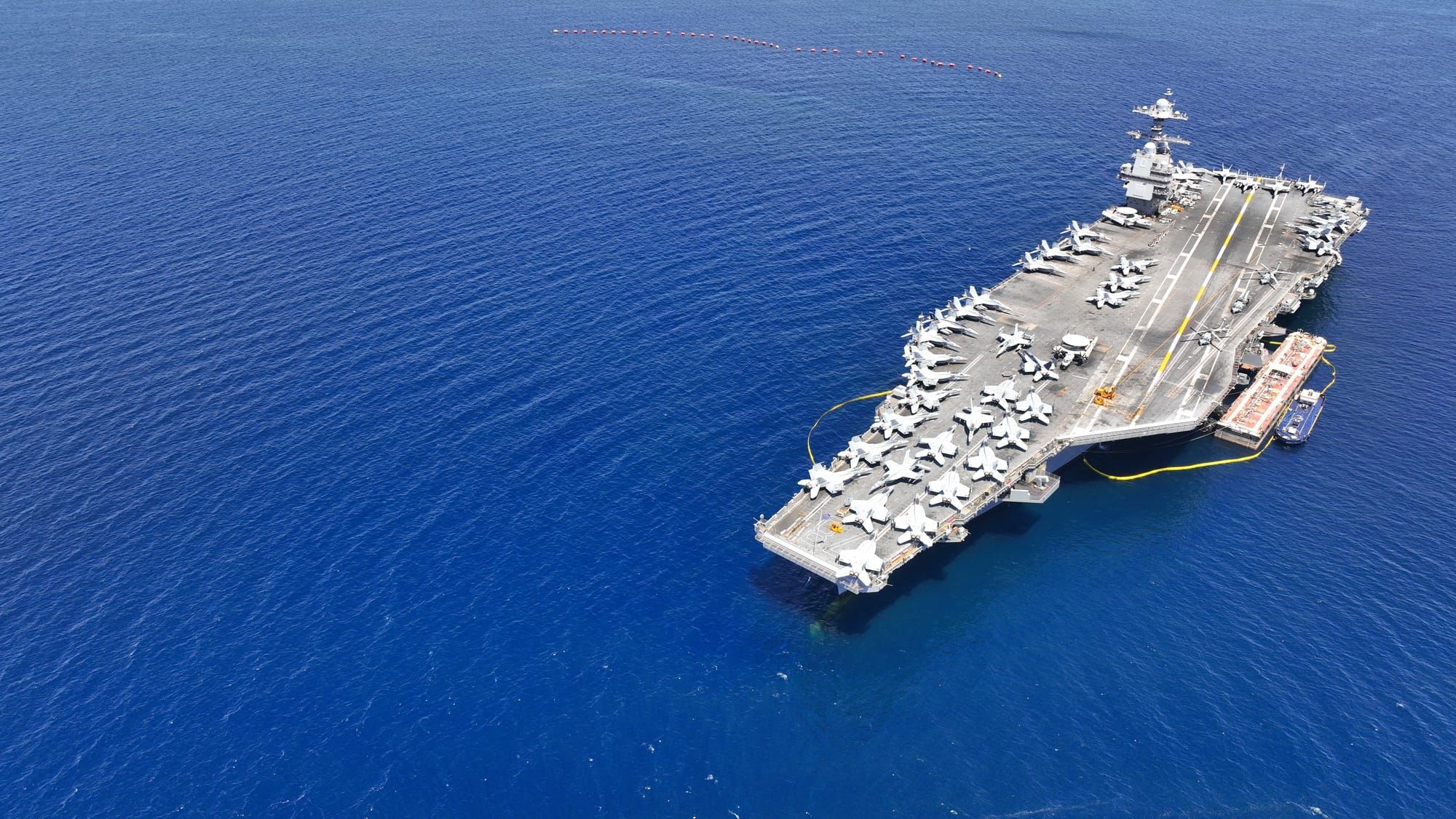
The US Army is running a large-scale exercise designed to stress-test how the country would recall soldiers and shift to a wartime footing, a signal that Washington is treating near-peer conflict planning as a real, operational priority.
What is being tested
The U.S. Army Human Resources Command is conducting a large-scale mobilization exercise, or MOBEX, to test the unit’s capability to recall Soldiers, shift to a wartime posture and manage personnel readiness across the force.
It is intended to validate the command’s new mobilization plan and confirm its systems and processes function effectively under the pressure of national mobilization.
Why now
The push comes as US planners increasingly frame large-scale combat operations as a plausible scenario rather than a Cold War relic. As tensions with near-peer military rivals continue to escalate across the globe, the need for effective mobilization strategies is becoming increasingly relevant.
“This MOBEX is important for HRC because the complexities of large-scale combat operations could require alternatives to status quo manning cycles,” said Lt. Col. Daniel Trevino, a lead MOBEX planner for HRC’s Military Personnel and Resources Directorate.
Do you want to see how to make more plays? Do you want to find gains yourself?
Unusual Whales helps you find market opportunities through our market tide, historical options flow, GEX, and much, much more.
Create a free account here to start conquering the market with Unusual Whales.
Broader mobilization picture
Think tanks are pointing to the same gap. Mobilization readiness is the nation’s ability to convert resources into military power at speed and scale. Unlike operational mobilization, which deploys and sustains existing forces, strategic mobilization expands military power by surging spending, personnel, and weapons production.
It rests on four foundations: economic strength, workforce capacity, industrial capacity, and political will. Because any one of these can become the bottleneck, it must be assessed through multiple indicators, not a single score.
Analysis of the Navy Reserve echoes the concern. Through a comprehensive analysis, we identified significant challenges in the Navy Reserve’s infrastructure, processes, and coordination, which limit its readiness for large-scale mobilizations. Our findings reveal gaps in scalability, logistical support, and joint integration, emphasizing the need for sustainable, adaptive processes to meet modern combat requirements.
The trade angle
Mobilization readiness eventually flows into procurement: munitions restocking, logistics, shipbuilding, and personnel systems. Any political move to close those gaps typically maps to defense primes, munitions makers, and logistics providers.
For traders, this is less about a single headline pop and more about the direction of defense budgets and supplemental spending over the next several cycles. Watch for follow-on statements from the Pentagon and appropriators.
Options market and stocks to watch
Names that tend to trade on mobilization and readiness narratives:
- LMT - Lockheed Martin, watch for flow tied to munitions and missile defense demand.
- RTX - RTX, watch for reaction on missile and munitions restocking narratives.
- NOC - Northrop Grumman, watch for interest tied to long-cycle strategic programs.
- GD - General Dynamics, watch for flow around combat systems and shipbuilding capacity.
- HII - Huntington Ingalls, watch for shipyard capacity commentary if mobilization framing intensifies.
For more headlines and market-moving updates, see additional coverage on Unusual Whales news.
Want more market intelligence? Create your free Unusual Whales account for options flow, market tide, GEX, and the full toolkit.