
USS Abraham Lincoln heads home after 9-month Middle East run
The USS Abraham Lincoln is heading back to San Diego after a nine-month Middle East deployment tied to the Iran war. The USS George Washington has taken over, with defense contractors in focus.
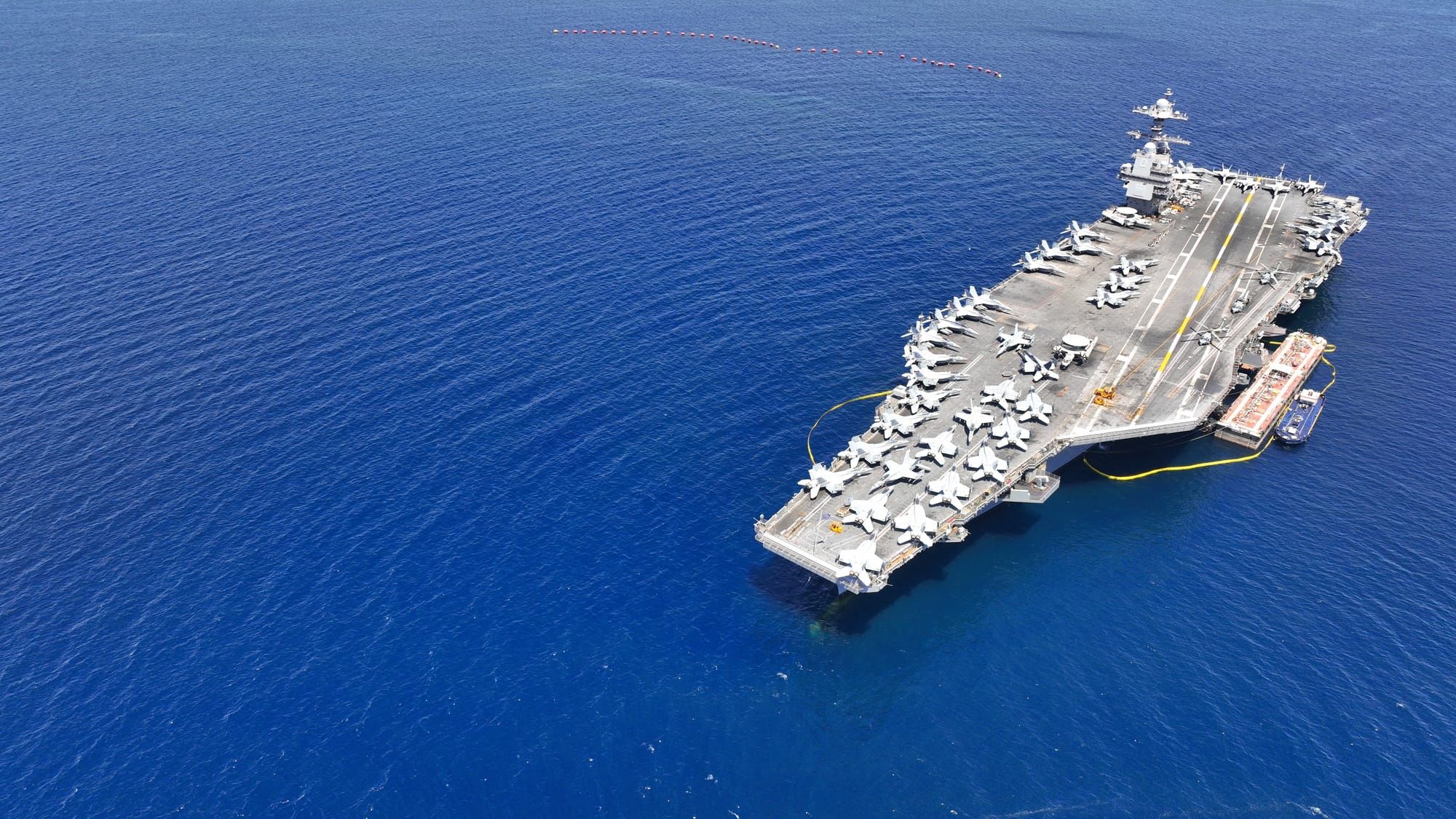
The USS Abraham Lincoln is finally sailing back to San Diego after a nine-month Middle East deployment tied to the ongoing U.S. war with Iran. The relief carrier, the Japan-based USS George Washington, has now taken over station in the region.
The deployment in numbers
The Lincoln left San Diego on Nov. 21, and its deployment was planned to end in May. It was extended as the U.S. remained embroiled in the war against Iran, which began with U.S. and Israeli strikes at the end of February.
A typical deployment for a carrier is roughly six to seven months; the Lincoln has been deployed for nine months. Carriers also usually make regular stops at ports to refresh and replenish food supplies during those deployments. The Lincoln has not visited a port since December, according to a U.S. official, marking over 200 days consecutively at sea.
Conditions on board became a political flashpoint
Family members have voiced worries about deteriorating mental health conditions aboard the ship, as well as sanitary conditions and food shortages. Family members concerns, as articulated in the Military Times and Stars and Stripes, have raised alarm bells on Capitol Hill.
MS NOW’s reporting prompted lawmakers to demand answers from the Pentagon about why the Lincoln’s deployment had been extended for at least three months and when it would be relieved. On Aug. 14, acting Navy Secretary Hung Cao announced that the Lincoln would return home following mounting public pressure to relieve the beleaguered carrier and its crew, but made no mention of three guided-missile destroyers deployed alongside the Lincoln as part of its strike group.
Do you want to see how to make more plays? Do you want to find gains yourself?
Unusual Whales helps you find market opportunities through our market tide, historical options flow, GEX, and much, much more.
Create a free account here to start conquering the market with Unusual Whales.
Why traders should care
The carrier swap does not end the Iran conflict, it just rotates the platform. The ship has served as a launch point for thousands of aircraft flights supporting the strikes. That level of sortie generation burns through munitions, spare parts, and airframes, all of which flow back to the U.S. defense industrial base.
The USS Abraham Lincoln has been deployed since November 2025, making its nine-month deployment one of the longest since the Cold War. The carrier was originally deployed in the Pacific, but was moved to the Middle East in January to support the war in Iran, which began on Feb. 28. Extended deployments like this typically pull forward maintenance and replacement cycles, a tailwind for shipbuilders and MRO contractors.
The White House response
President Donald Trump this week downplayed reports about conditions on the Lincoln, which left its homeport in San Diego in November and arrived in the Middle East in January. Trump called the nearly nine months at sea that the sailors endured a “good period of time” but added that “over the years, we’ve had them out there much longer.”
Options market and stocks to watch
Watch for renewed flow into the defense complex as the Iran war continues and carrier ops shift to the George Washington.
- LMT: Watch for reaction tied to munitions and F-35 sortie replenishment demand.
- HII: The Lincoln’s builder and a key carrier MRO name, watch for post-deployment maintenance headlines.
- GD: Watch destroyer and shipyard exposure as the strike group’s escorts remain on station.
- NOC: Watch for carrier air wing and unmanned systems flow.
- RTX: Watch for missile and interceptor restock catalysts tied to sustained Middle East ops.
Want more market intelligence? Create your free Unusual Whales account for options flow, market tide, GEX, and the full toolkit.