
Grocery Anxiety Jumps: 41% of Americans Worried About Food Costs
AP-NORC polling shows 41% of Americans are worried about affording groceries in the coming months, up from 24% in April. Trade-down and BNPL trends put WMT, KR, COST, DG, and AFRM in focus.
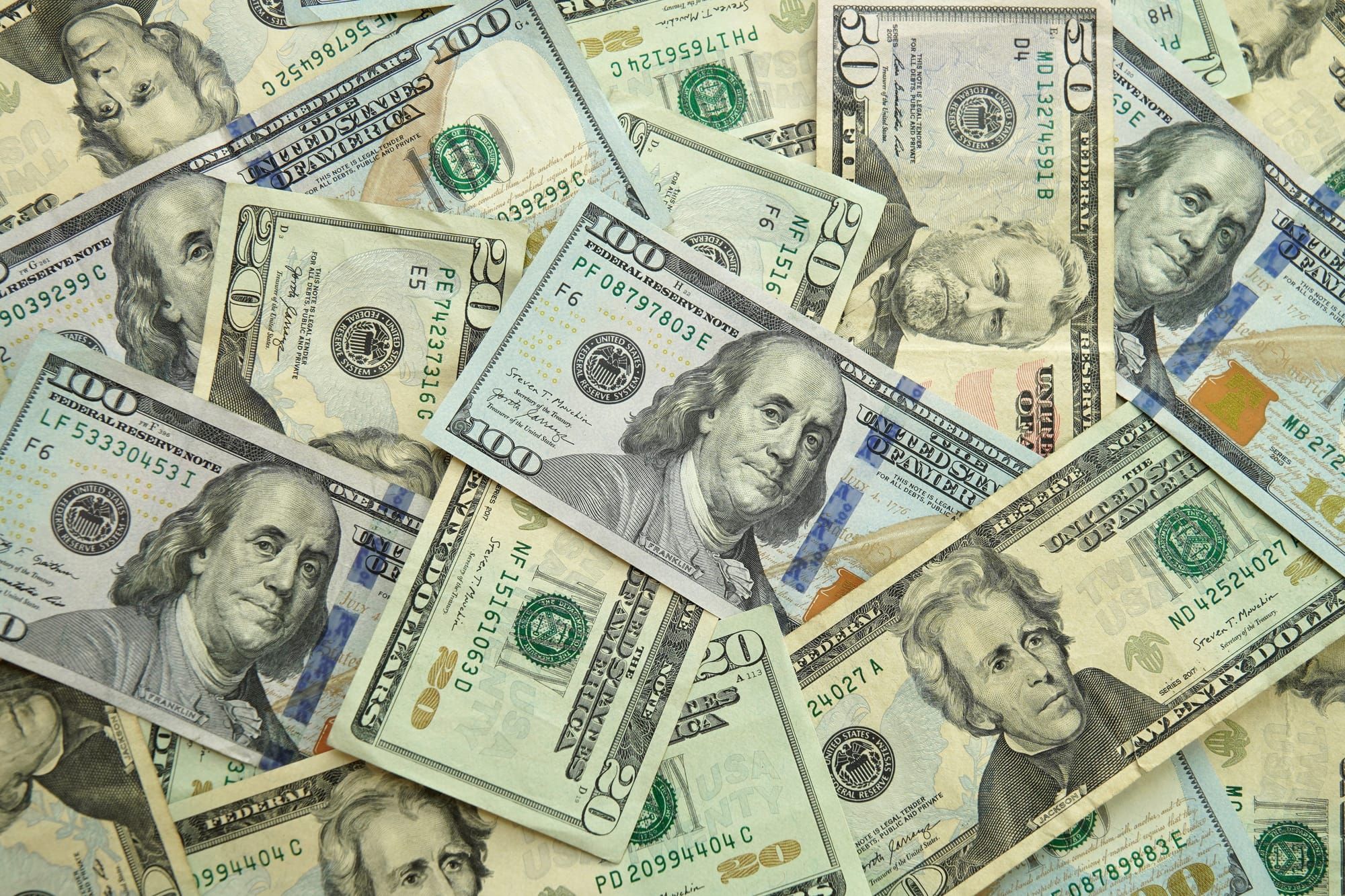
Grocery sticker shock is back near the top of the consumer worry list. New polling shows 41% of Americans are concerned about being able to afford groceries over the next few months, nearly double the share from earlier this year.
The Numbers
Late July polling from the Associated Press and NORC found that 41% of Americans said they were concerned about being able to afford groceries over the next few months, up from 24% in April.
Nearly half of Americans said the cost of groceries was a major source of stress. That is a sharp shift in sentiment in just three months, and it lines up with a broader affordability squeeze weighing on lower and middle-income households.
Why Prices Still Feel High
Shopper frustration is more complicated than a glance at the latest inflation data, however, since many people react to an accumulated change in prices on store shelves, David Ortega, a food economist at Michigan State University, told ABC News.
Over a five-year stretch since a pandemic-induced bout of acute inflation, grocery prices have increased more than 20%, most of which took place between 2021 and 2022. Even with cooler monthly prints, the cumulative bill at checkout is what consumers actually feel.
Do you want to see how to make more plays? Do you want to find gains yourself?
Unusual Whales helps you find market opportunities through our market tide, historical options flow, GEX, and much, much more.
Create a free account here to start conquering the market with Unusual Whales.
The Consumer Behavior Shift
Stressed shoppers trade down. Expect continued mix shift toward private label, discounters, and smaller basket sizes, and away from discretionary center-store brands and premium proteins.
A separate March survey from LendingTree of more than 2,000 adults found that 29% of buy now, pay later users said they've used these short-term loans to buy groceries, up from 14% two years ago. That is a credit stress signal worth tracking.
The Political Overhang
While campaigning in 2024, President Trump promised to lower grocery prices, but many Americans are still having a hard time affording the cost of food. With midterms approaching, food inflation is shaping up as a live political variable, which matters for tariff policy, SNAP funding, and any potential price-focused executive action.
Options market and stocks to watch
Watch for movement across grocery, discount, and consumer staples names as affordability data flows through earnings and guidance.
- WMT: Walmart is the default trade-down beneficiary. Watch for grocery comps and market share commentary.
- KR: Kroger is directly exposed to grocery basket pressure and private-label mix.
- COST: Costco tends to gain wallet share when consumers hunt for bulk value.
- DG: Dollar General is a barometer for low-income consumer health, which is where affordability stress hits first.
- AFRM: Watch Affirm and BNPL peers as grocery-financed transactions rise and delinquencies get scrutinized.
Want more market intelligence? Create your free Unusual Whales account for options flow, market tide, GEX, and the full toolkit.