
Iran Publishes Signed US Memorandum of Understanding, Deal Now in Force
Iran has published the fully executed US-Iran Memorandum of Understanding, with the deal now in force. Hormuz reopens, crude waivers begin, and a 60-day nuclear negotiation window starts.
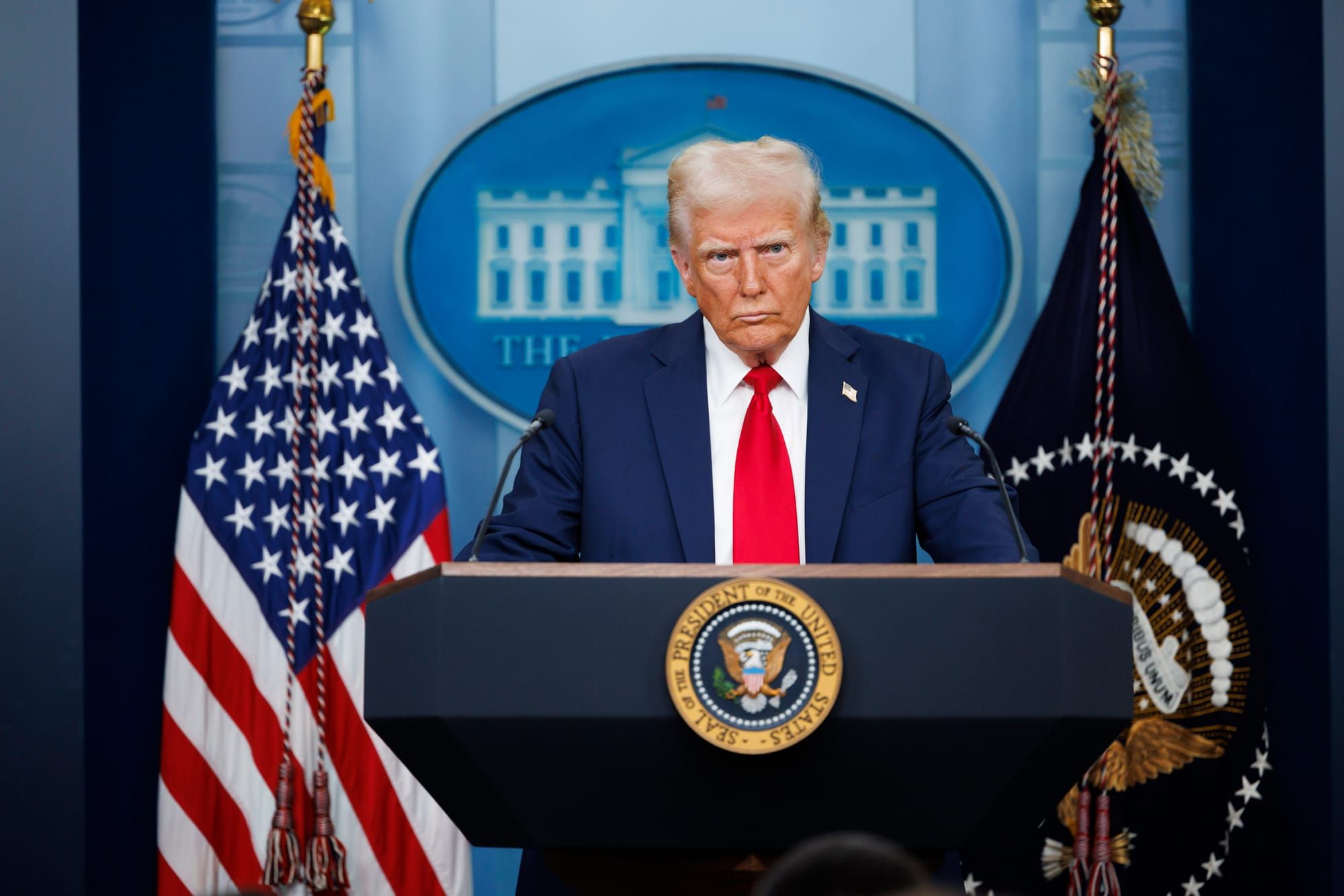
Iran has published the fully executed text of the Memorandum of Understanding with the United States, with the agreement now officially in force. The document ends active hostilities, reopens the Strait of Hormuz, and starts a 60-day clock to negotiate a final nuclear deal.
Iran’s government released a text of the agreement on Thursday that matched the U.S. officials’ readout. Iran’s president published the document in a post on X early Thursday, describing it as “a historic document.”
What the MOU actually does
Under the agreement, the critical Strait of Hormuz will be reopened to commercial traffic, the U.S. will lift its naval blockade of Iranian ports and fighting will stop for 60 days while both sides negotiate the terms of a final deal on nuclear weapons and material.
Immediately upon the signing of this MOU, the United States will begin the removal of its naval blockade and any disturbances against Iran, and will fully end the naval blockade within 30 days. During this period, the traffic of vessels will be in proportion to pre-war traffic being restored by Iran. The U.S. further undertakes to remove its forces from the proximity of Iran within 30 days after the final deal.
US Vice President JD Vance has said that the 60-day negotiating period between Tehran and Washington has begun today.
Oil, sanctions, and frozen assets
The MOU states that “immediately upon signing,” the Treasury Department will issue waivers and allow export of Iranian crude — a financial windfall for Iran which has faced sanctions for years. It also states the U.S. “undertakes to make fully available for use the frozen or restricted funds and assets of the Islamic Republic of Iran.” This could include approximately $100 billion in frozen assets.
The U.S. will also work with regional partners to develop a $300 billion reconstruction account for Iran. The details of the account will be sorted in the 60-day period.
For traders, the headline is simple: Iranian barrels are coming back to a market that has been pricing a war premium for weeks.
Do you want to see how to make more plays? Do you want to find gains yourself?
Unusual Whales helps you find market opportunities through our market tide, historical options flow, GEX, and much, much more.
Create a free account here to start conquering the market with Unusual Whales.
The nuclear piece
The agreement asserts that Iran can never develop a nuclear weapon — a promise the regime has made in the past. The agreement states that the U.S. and Iran will address Iran’s existing stockpile of enriched material, “with the minimum methodology to be down blending on site” under the supervision of inspectors with the International Atomic Energy Agency.
“If they don’t honor that, we’ll probably go back to bombing them until they honor it,” Trump said in France. Translation for the tape: this is a ceasefire with conditions, not a final peace.
Why the market cares about Hormuz
Roughly one-fifth of the world’s oil supply has been caught in the crosshairs of Tehran’s stranglehold on the strait, which closed at the beginning of the war, driving up gas prices. Reopening that artery removes the single biggest supply-side risk premium in crude right now.
Watch for crude to give back war-premium gains, tanker rates to normalize, and defense names to fade the geopolitical bid. For other news, the read-through goes well beyond energy — risk assets broadly were carrying a Middle East discount.
Options market and stocks to watch
Watch for moves across energy, defense, and shipping as the MOU takes hold:
- USO: watch for downside pressure as Iranian crude waivers and Hormuz traffic restore supply.
- XOM and CVX: watch for the war-premium unwind in integrated oil names.
- LMT and RTX: watch for defense names to fade if the ceasefire holds through the 60-day window.
- SPY: watch broad risk-on flows if the geopolitical discount comes out of the tape.
Want more market intelligence? Create your free Unusual Whales account for options flow, market tide, GEX, and the full toolkit.