
Trump Won't Rule Out National Security Emergency to Control 2026 Election
Trump declined to rule out declaring a national security emergency to assert control over the 2026 midterms, telling a right-wing host that “stranger things have happened.” Political risk desks are watching closely.
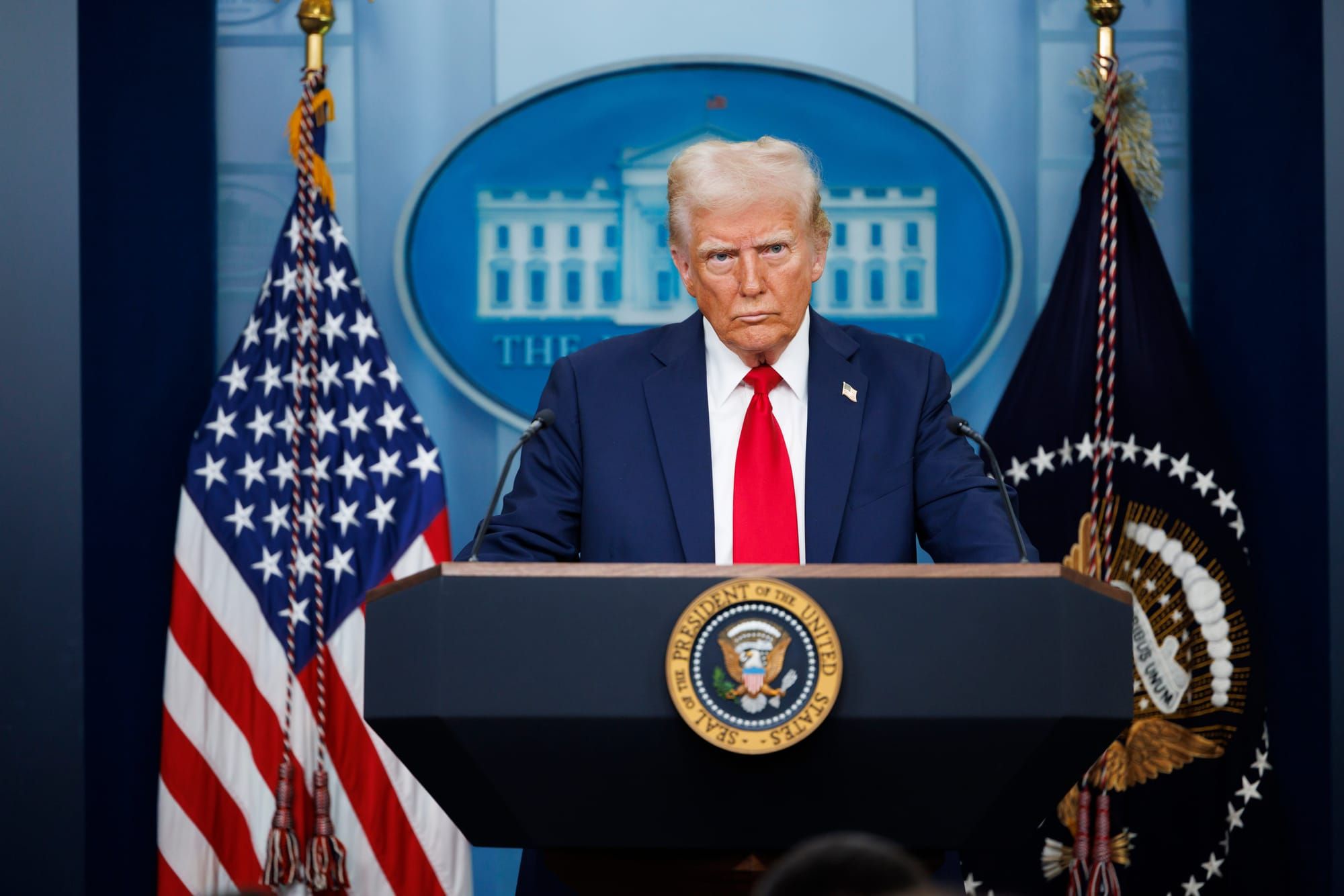
President Donald Trump in a new interview declined to rule out declaring a national security emergency as a means to try to assert more control over the 2026 midterm elections. The comment, made on a friendly right-wing show, is already rippling through political risk desks.
For traders, the setup matters less for the immediate tape and more for what it signals about volatility into November 2026.
What Trump actually said
In the interview, Wayne Allyn Root of Real America's Voice pitched such a scenario to Trump, suggesting it as an alternative given the Senate has failed to pass Trump's coveted elections bill, known as the SAVE America Act.
When pressed, Trump didn't shut the door. “Let me just say stranger things have happened,” Trump said, after the host implored him to exert sweeping control over the upcoming midterms during a post-midnight interview. “I'll leave it at that,” the president added.
The legal reality
As CNN's Marshall Cohen and Michael Williams reported in February, the Constitution makes it difficult for Trump to truly nationalize elections. Courts have overwhelmingly upheld the principle that states are in charge of elections.
Presidents generally have more authority to act unilaterally when national security is involved — hence the significance of invoking China — but some experts are skeptical such a move would survive court challenges.
Why this is on traders' radar
Back in February, Trump urged his party to take over the voting in at least 15 places, adding that Republicans ought to nationalize the voting. The Washington Post also reported in March that pro-Trump activists were circulating a potential executive order that claimed Chinese interference in the 2020 election gave Trump emergency authorities over the 2026 election.
Election-related uncertainty tends to widen risk premia into the fall, especially in sectors sensitive to regulatory and tax shifts if control of Congress is in play.
Do you want to see how to make more plays? Do you want to find gains yourself?
Unusual Whales helps you find market opportunities through our market tide, historical options flow, GEX, and much, much more.
Create a free account here to start conquering the market with Unusual Whales.
The precedent problem
Ty Cobb, who served as White House counsel in Trump's first term, said he interpreted the speech last month as a predicate that he needs to declare an emergency.
That framing matters because it suggests the groundwork is already being laid, which is the kind of slow-burn political risk that eventually shows up in the VIX curve and in defense, cyber, and government-services names.
Options market and stocks to watch
Watch for volatility repricing across a few names as this story develops:
SPY: broad index hedging tends to pick up as election-year tail risk gets priced in, so watch skew and put flow into the fall.
VXX: any escalation in constitutional-crisis chatter historically bids volatility products; watch for demand on dips.
DJT: Trump Media remains a political-sentiment proxy and typically moves on headlines tied directly to the president.
PLTR: watch for reaction in government-tied tech and defense-adjacent names if national security framing intensifies.
LMT: defense primes can catch a bid on any national security emergency narrative, regardless of legal follow-through.
For more headlines shaping political and market risk, see other news on Unusual Whales.
Want more market intelligence? Create your free Unusual Whales account for options flow, market tide, GEX, and the full toolkit.