
USS Abraham Lincoln sailors tried to jump overboard amid extended deployment
Multiple USS Abraham Lincoln sailors have attempted to jump overboard as the carrier’s deployment stretches past 250 days, per reports from The Guardian, Navy Times, and CNN. Families cite burnout and mental health strain.
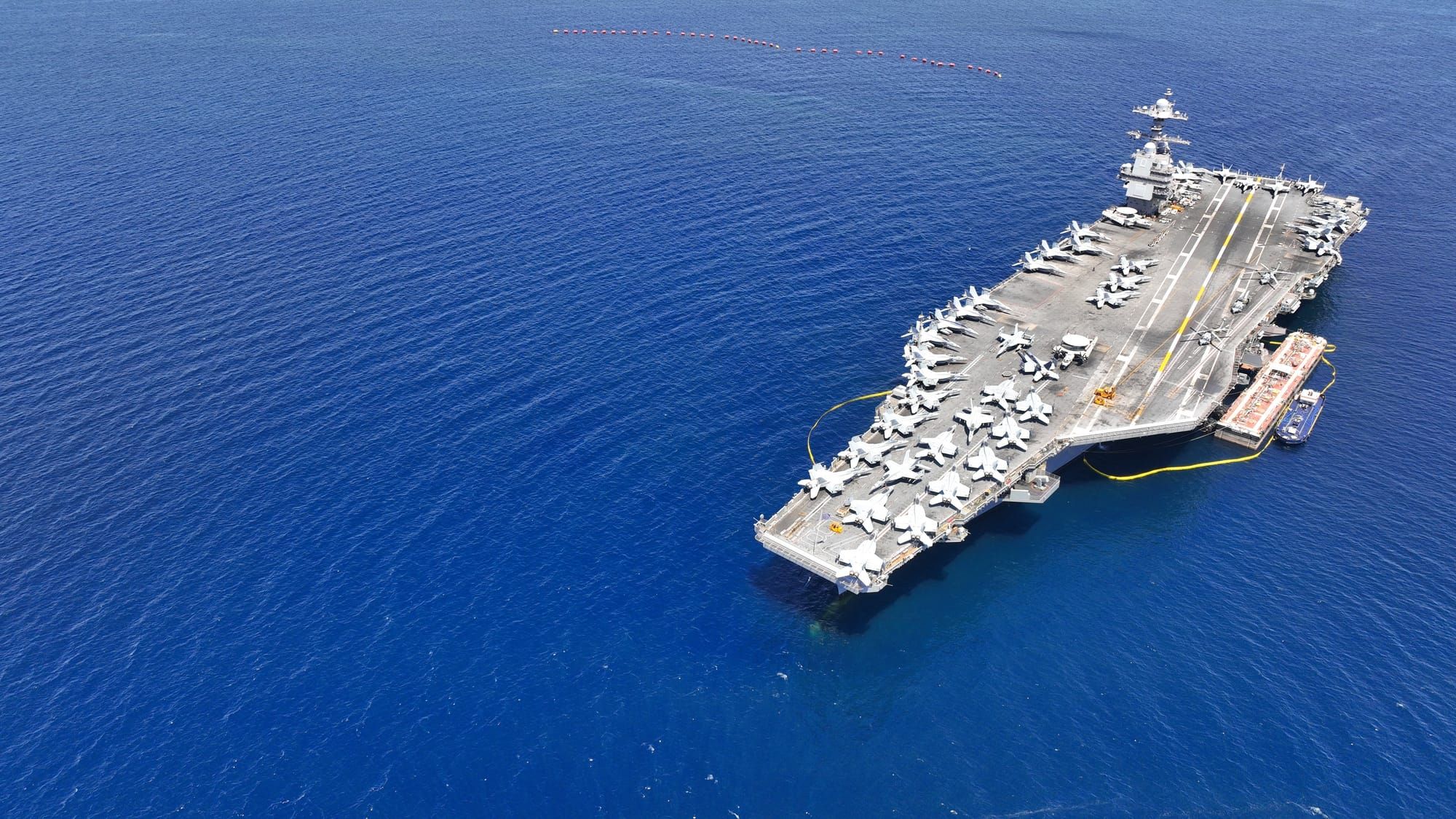
Multiple sailors aboard the USS Abraham Lincoln have reportedly attempted to jump overboard as the carrier’s deployment stretches deep into its ninth month, according to reporting from The Guardian, Navy Times, and CNN. The story is now drawing congressional scrutiny and putting fresh attention on the human cost of the extended Middle East posture.
What happened
Multiple sailors aboard the USS Abraham Lincoln have attempted to go overboard as the carrier’s deployment stretches into its ninth month. A sailor went overboard earlier this month off of the USS Abraham Lincoln, three US officials told CNN, amid reports of worsening mental health for crew members on the ship during an extended deployment for the Iran war. The sailor was rescued within an hour and was medically evaluated. A different official said that the sailor had gone overboard wearing a life vest and was not injured, adding that the Navy considered the incident a mental health episode.
In a separate incident aboard Lincoln, a sailor on watch saw a shipmate preparing to go overboard, and he intervened. The watchstander called out to the sailor before grabbing their arms and pulling them onto the deck. The sailor had not yet gone over the side when he got there. Three other sailors heard the commotion and came running to help.
Families sound the alarm
Annabelle Loma has spoken with her husband only a few times since he attempted to jump overboard from the aircraft carrier USS Abraham Lincoln during his current deployment. Communication has been difficult to come by, and he is now on medical hold. Loma said her husband had been repeatedly overextended before he tried to jump from the carrier.
“He’s scared,” Loma said. “He thinks he’ll get a dishonorable discharge, and just because he was burnt out, his 13-year career is ruined, just like that. That’s not fair, that’s not right.” Loma said she initially received a call from the ship’s ombudsman after the incident but has not heard from anyone with the Navy in recent weeks.
Do you want to see how to make more plays? Do you want to find gains yourself?
Unusual Whales helps you find market opportunities through our market tide, historical options flow, GEX, and much, much more.
Create a free account here to start conquering the market with Unusual Whales.
The Navy’s response
The U.S. Navy has denied claims of an increase in attempted suicides on board its aircraft carrier, the USS Abraham Lincoln, amid reports of rising welfare concerns from family members of those aboard the vessel, which has been at sea for over 260 days. “Based on information available to the command, we have not identified an increase in reported suicidal ideation or suicide attempts aboard the ship,” the spokesperson said.
Complaints about conditions on the carrier first surfaced in April, which the Navy denied at the time and Secretary of Defense Pete Hegseth dismissed as “fake news.” A second meeting, which took place virtually, between top Navy officials and loved ones of the sailors and Marines on the Lincoln also discussed concerns over mental health and safety. Officials said the Lincoln would be relieved by the USS Theodore Roosevelt carrier group but did not specify when.
Why it matters for markets
The Lincoln departed the U.S. in November and was rerouted from the Pacific to the Middle East as the White House prepared to launch its war on Iran at the end of February. An extended carrier deployment of this length signals persistent U.S. force projection in the region, and any relief-in-place decision would carry implications for defense readiness cycles and oil risk premia.
Traders should watch for follow-on headlines tied to congressional oversight letters and any Pentagon briefings on the Lincoln’s replacement timeline.
Options market and stocks to watch
Defense primes and energy names tend to react to shifts in U.S. Middle East posture. Watch for flow in these tickers:
- LMT — Lockheed Martin, exposed to naval aviation and F-35 sustainment; watch for reaction to any extended deployment or readiness commentary.
- HII — Huntington Ingalls builds Nimitz- and Ford-class carriers; watch for headlines around fleet strain and maintenance cycles.
- NOC — Northrop Grumman, broad defense exposure; watch on any congressional readiness pushback.
- RTX — RTX supplies munitions and systems tied to carrier strike groups; watch for restocking narratives.
- XOP — Energy ETF; watch for any oil risk-premium moves tied to Iran-related headlines.
Want more market intelligence? Create your free Unusual Whales account for options flow, market tide, GEX, and the full toolkit.